


VMEG AI vs Akool
While Akool is a versatile "Gen AI powerhouse" famous for face-swapping and avatar creation, VMEG AI offers a more specialized, professional approach to video localization. If your goal is to translate existing video content while preserving the authenticity of original speakers—without the confusion of credit-based pricing—VMEG AI is the superior Akool alternative.


Key Features Comparison


| Feature | | |
|---|---|---|
| Primary Focus | Professional Video Localization | Face Swap & Gen AI Suite |
| Translation Method | Authentic Video Dubbing | Generative AI & Avatars |
| Voice Cloning | Multi-dimensional Tone + Accent | Standard Cloning |
| Lip-Sync | ||
| Editor Interface | Professional Timeline Editor | Basic "Upload & Process" |
| Subtitle Translator | ||
| Text to Speech | ||
| Transcription | ||
| Use Case |
Why Choose VMEG AI Instead of Akool
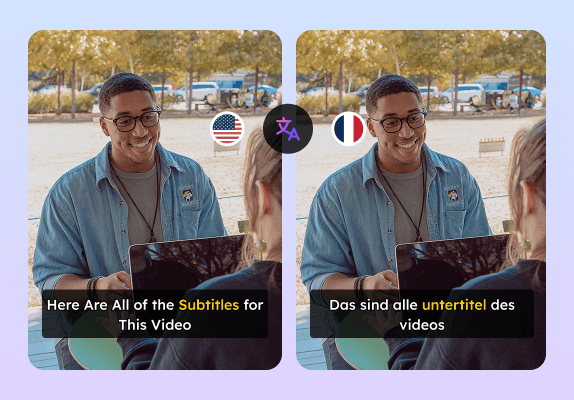
Comprehensive Multi-Language Recognition and Translation
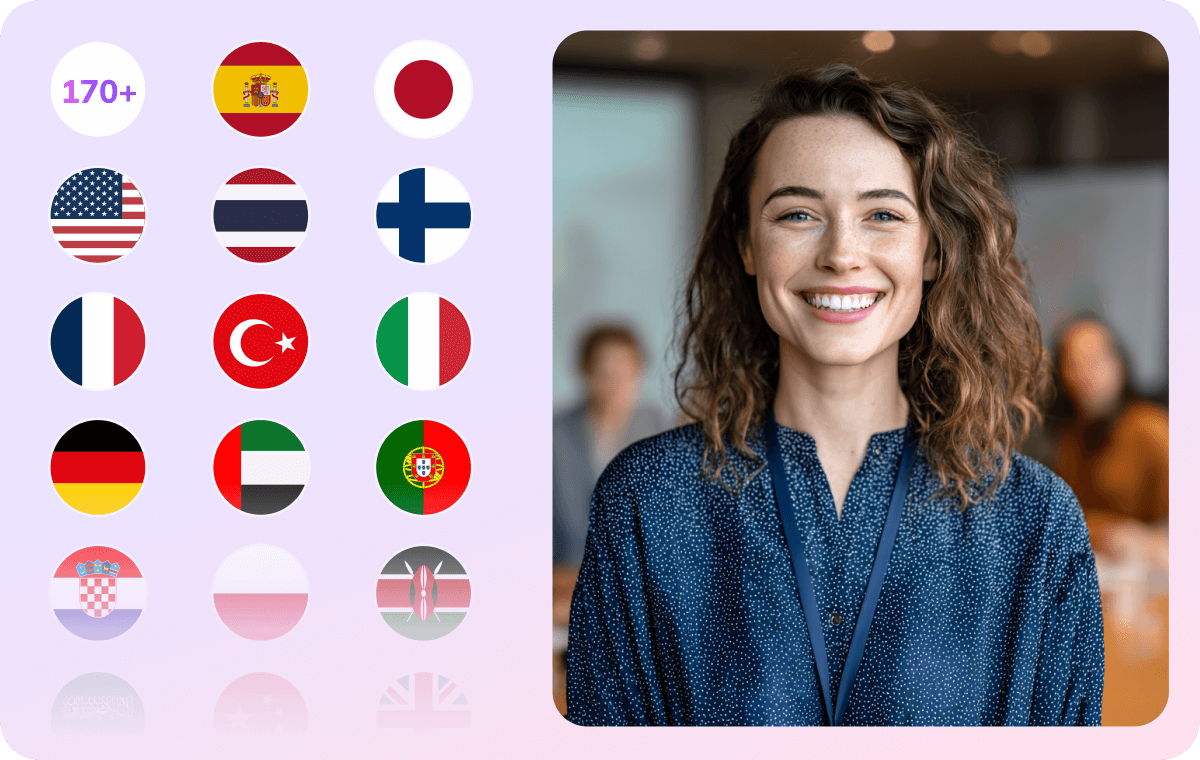
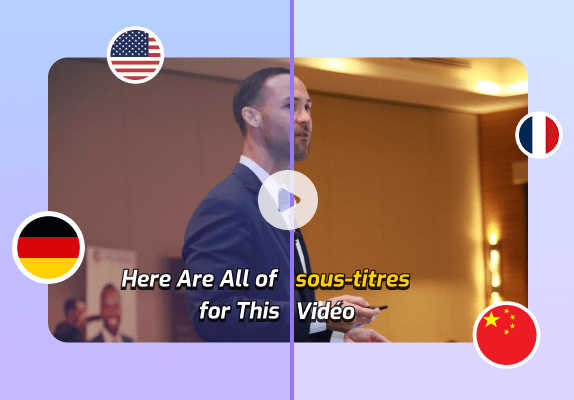
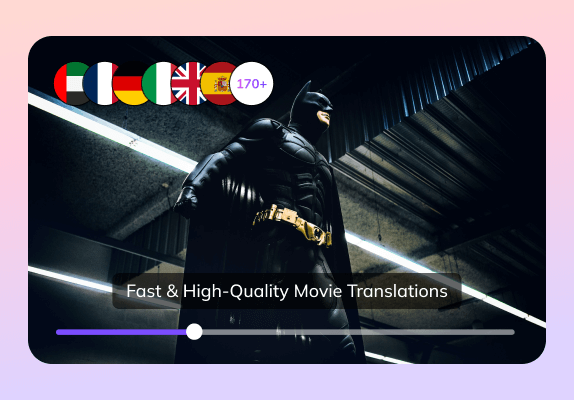
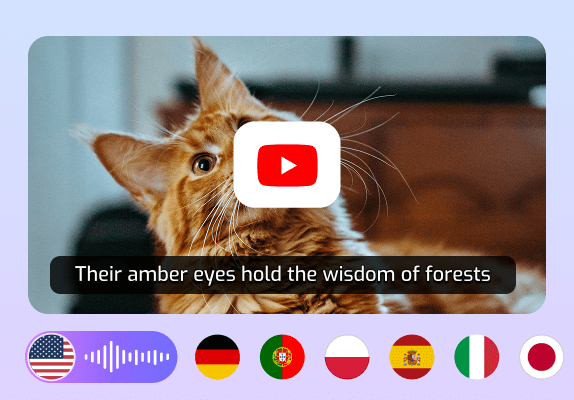
In contrast, VMEG AI fully supports automatic recognition and precise translation for over 170 languages. Regardless of the source language of your original video, VMEG's powerful language engine ensures professional and authentic translations, delivering truly one-stop global content production.
Superior Voice Cloning Quality and Global Language Support
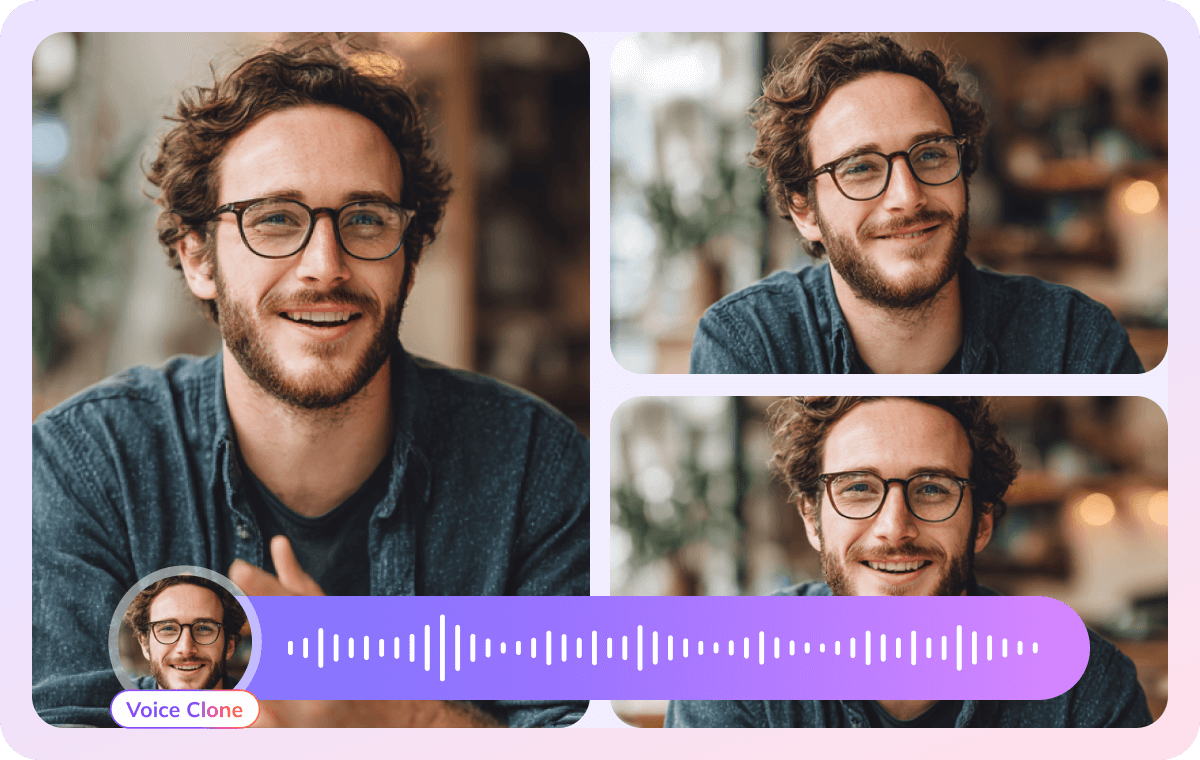
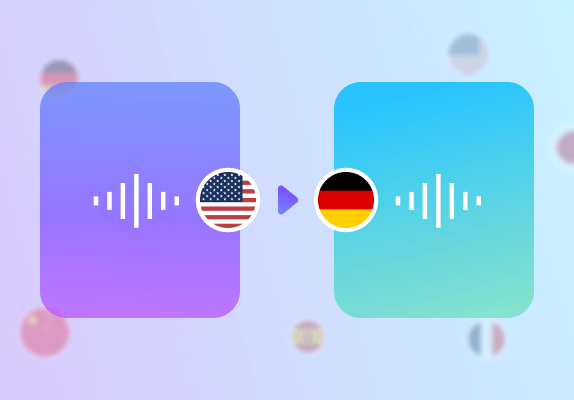
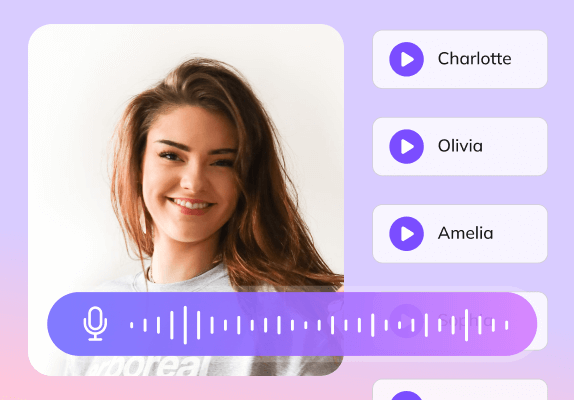
Furthermore, VMEG supports a far broader range of languages for cloning than Akool, enabling coverage of a wider global market. Whether handling mainstream languages or niche dialects, VMEG accurately reproduces the original voice's emotion and timbre, ensuring your video localization feels more natural and compelling.
Efficient Workflow with Unlimited Integrated Proofreading
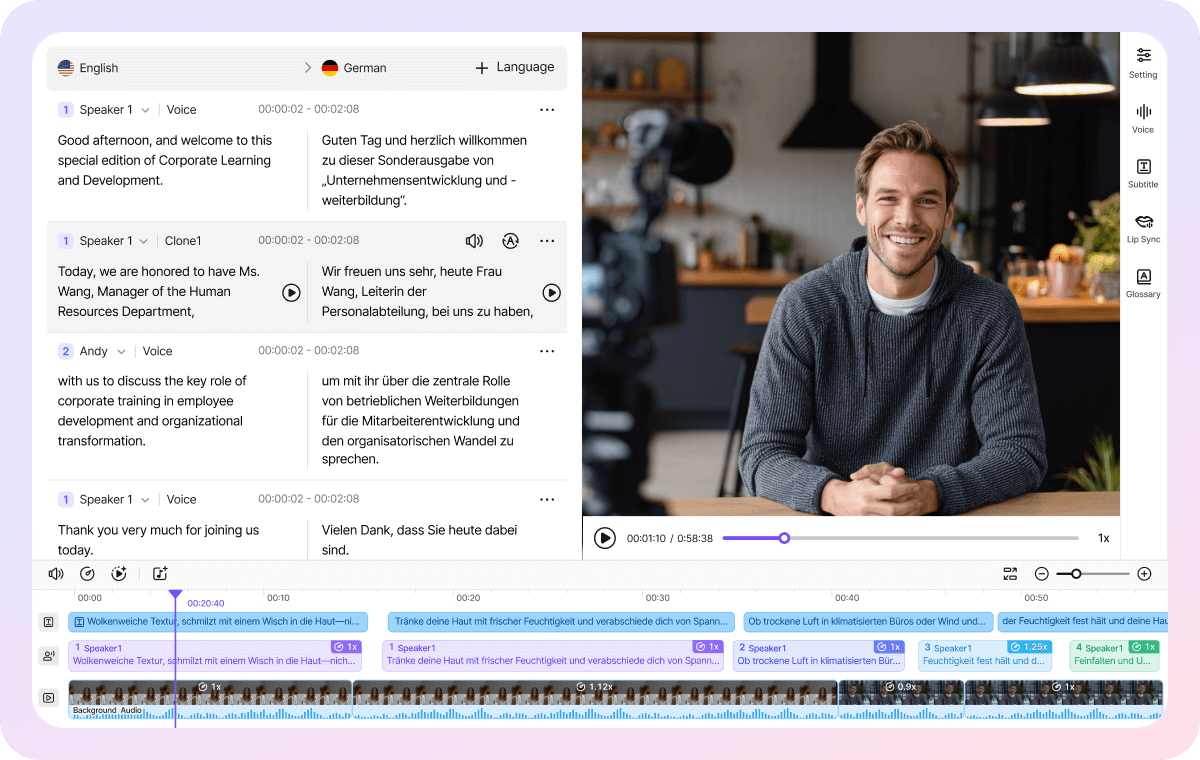
Within VMEG's workflow, you can make precise adjustments to translated text directly in the editor at any stage, finalizing only when fully satisfied. This highly flexible and transparent editing model not only significantly increases the margin for error in video production but also saves creators substantial time and effort by eliminating repetitive work.
What people say about VMEG AI

"Effortless Multilingual Video Translation with Impressive Accuracy"
The interface is clean, and uploading videos or SRT files is fast and intuitive. The accuracy of subtitles and timing is impressive, and voice cloning adds a professional touch.



"VMEG. The Most Natural AI Voice I've Ever Used"
What I like most about VMEG.AI is how naturally it captures the rhythm and emotion of real human speech. As someone who works on Japanese localization every day, I truly appreciate how this platform respects the sound and soul of each language.


"Impressive Video Translation for TV Shows and Documentaries"
The video translation feature works well for TV shows and documentaries.

"Excellent Thai Language Support, Worth the Investment"
It support Thai which is hard to find in other product.
FAQs about Akool Alternatives
Is VMEG AI cheaper than Akool for video translation?
Yes, for most video translation use cases, VMEG AI is significantly more cost-effective. Akool operates on a credit system where video translation costs roughly 1 credit per 5 seconds. A single 10-minute video could consume hundreds of credits, forcing you to upgrade to expensive tiers (starting around $21-$30/mo for limited credits). VMEG AI offers flexible plans starting at just $10/mo (annual billing), focusing on video duration value rather than confusing credit calculations.
Can Akool translate videos with multiple speakers?
Akool handles basic translation, but it often struggles with complex audio environments involving multiple speakers. VMEG AI is designed with advanced multi-speaker recognition (diarization). It automatically detects different voices, assigns correct voice clones to each speaker, and allows you to edit them individually on a timeline.
What is the best Akool alternative for Face Swapping vs. Translation?
It depends on your goal:
- For Face Swapping & Avatars: Akool is a strong choice if you need to replace a face or generate a virtual presenter.
- For Video Translation & Dubbing: VMEG AI is the best alternative. It is specialized for taking real video footage and localizing it for new languages with perfect lip-sync and voice cloning.
Does VMEG AI support lip-sync like Akool?
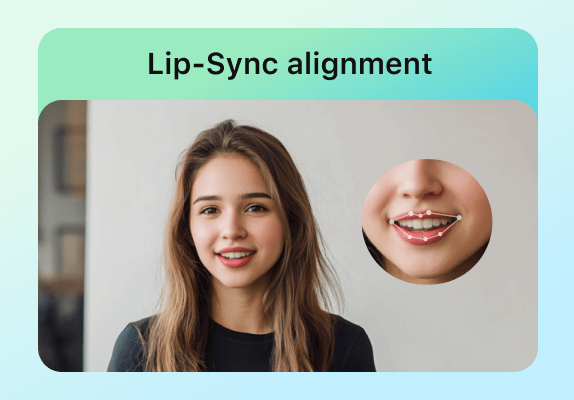
Yes, but with a different focus. Akool's lip-sync is often used for animating static photos or avatars. VMEG AI's lip-sync is engineered for video dubbing. It modifies the mouth movements of the original speaker in the video to match the translated audio track seamlessly, ensuring a natural viewing experience without the "uncanny valley" effect.
Why do users look for Akool alternatives?
Users typically seek alternatives to Akool because of:
1. High Costs: The credit consumption for video features is very high.
2. Lack of Editing Control: Akool doesn't offer a granular editor to fix translation errors.
3. Wait Times: Free and lower-tier users often face long processing queues on Akool.

VMEG AI vs Akool
Stop calculating credits and start predicting costs. Get transparent, flat-rate pricing for professional video localization—no confusing math required.