


VMEG AI vs Synthesia
While Synthesia holds an undisputed market leadership position in text-to-video content creation through its AI virtual human technology, VMEG AI pioneers a distinctly different solution centered on realism. If your goal is to localize existing videos featuring real people rather than using AI digital avatars, VMEG is undoubtedly the superior alternative to Synthesia for achieving true video localization.



Why Choose VMEG AI Over Synthesia
Authentic "Real-Human" Localization vs. AI Avatars
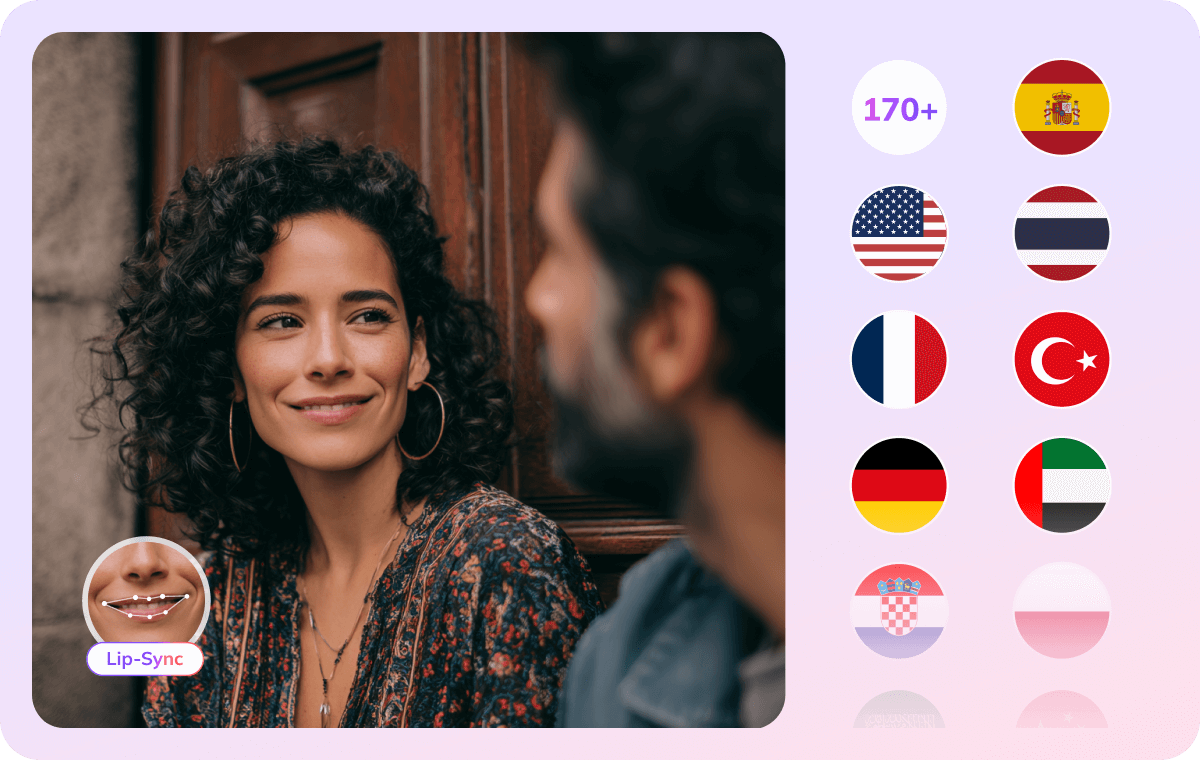
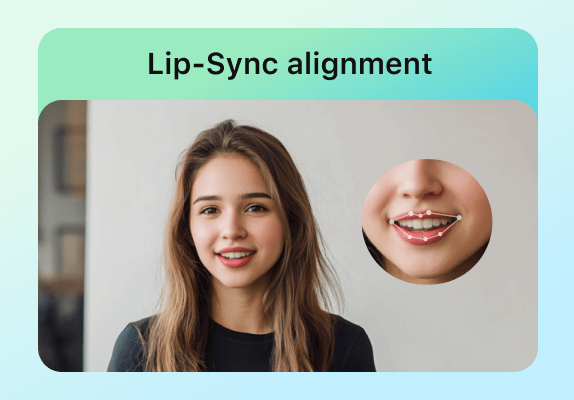
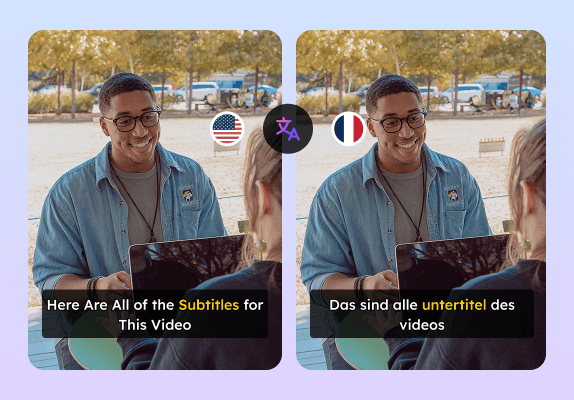
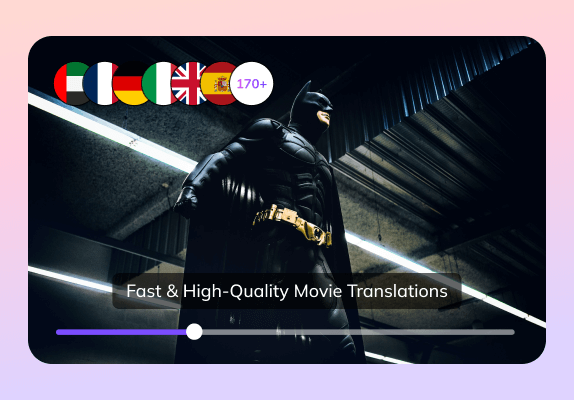
VMEG AI is the best alternative for brands that already have high-quality video content. We do not replace your speaker; we empower them to speak 170+ languages. VMEG uses advanced lip-sync technology to modify the mouth movements of the original actor, preserving their unique expressions, charisma, and emotional delivery. This ensures your global audience connects with you, not a digital simulation.
Same AI Dubbing Feature, Better Performance
In identical video tests, VMEG completes tasks in just 2 minutes, while Synthesia requires 15 minutes. VMEG saves 80% of the time. Regarding efficiency, Synthesia does not support batch submissions, whereas VMEG allows simultaneous submission of 20 tasks and translations across 20 languages.
Comprehensive Pipeline from ASR to Final Rendering
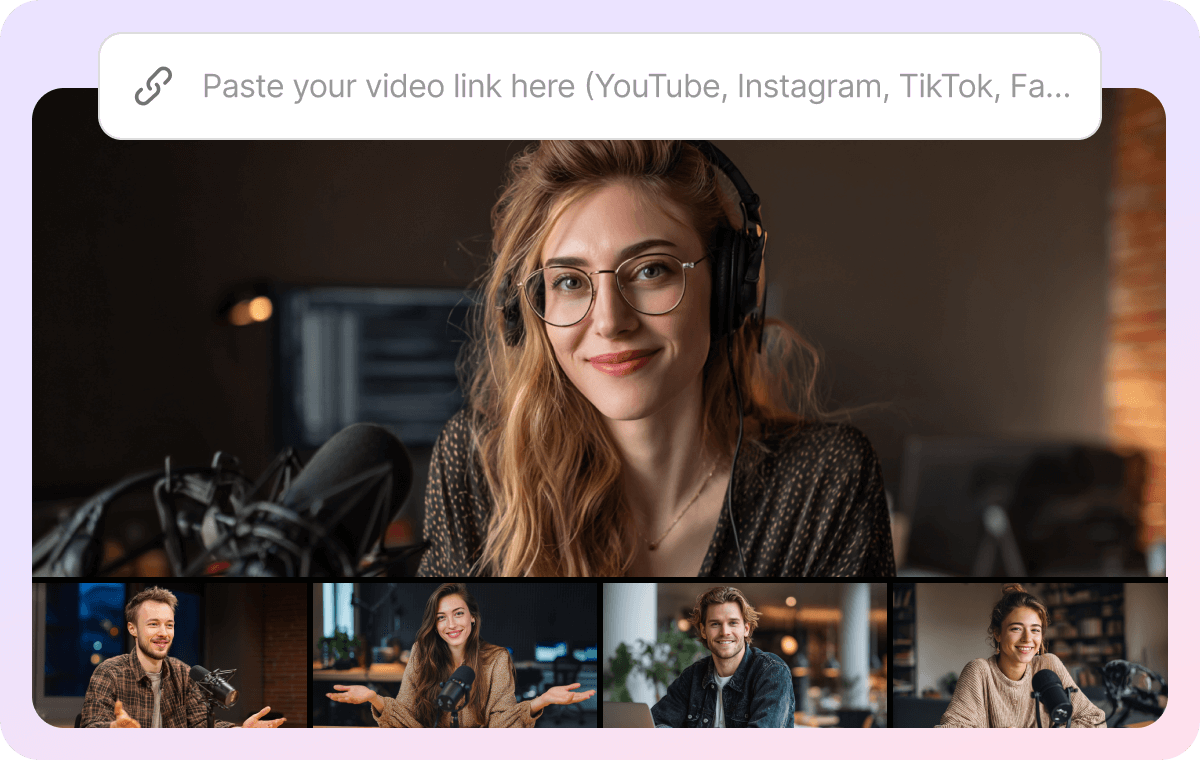
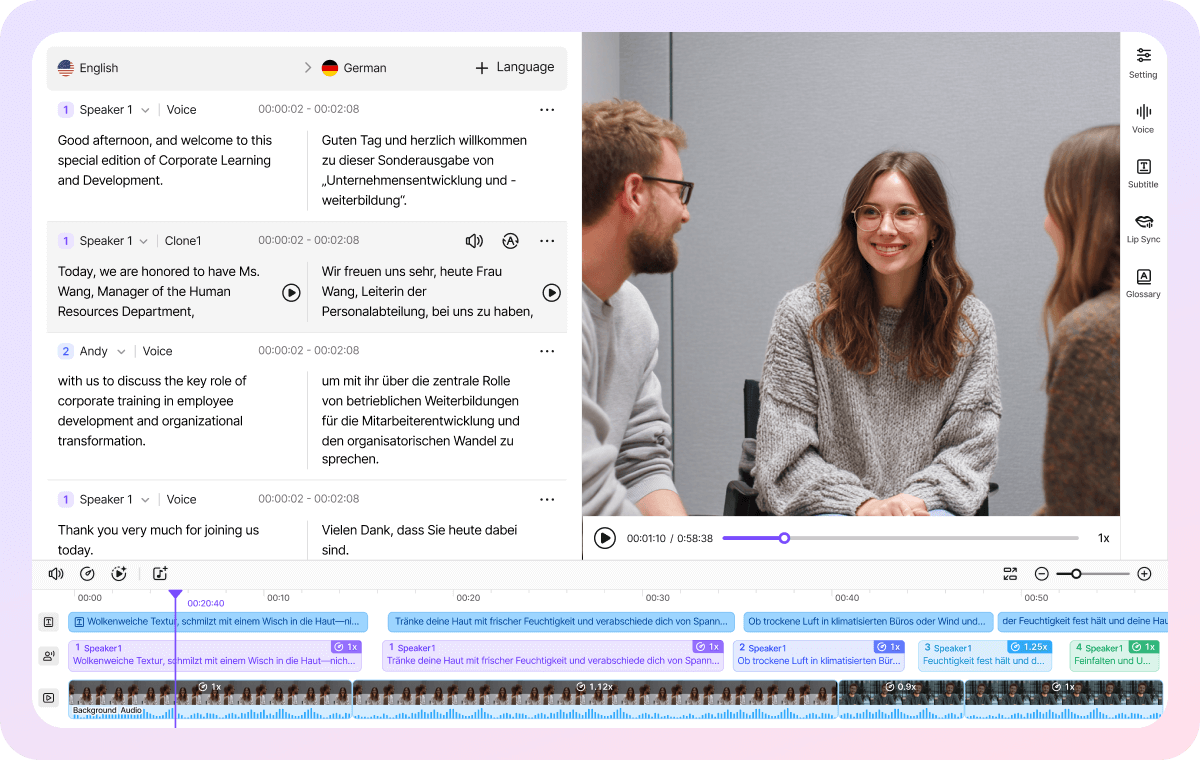
In contrast, VMEG AI features a powerful video editor designed entirely around the video localization workflow. From ASR speech recognition to text translation, through dubbing and timeline alignment, every step is transparent and editable for users, ensuring precise results.
What people say about VMEG AI

"Effortless Multilingual Video Translation with Impressive Accuracy"
The interface is clean, and uploading videos or SRT files is fast and intuitive. The accuracy of subtitles and timing is impressive, and voice cloning adds a professional touch.



"VMEG. The Most Natural AI Voice I've Ever Used"
What I like most about VMEG.AI is how naturally it captures the rhythm and emotion of real human speech. As someone who works on Japanese localization every day, I truly appreciate how this platform respects the sound and soul of each language.


"Impressive Video Translation for TV Shows and Documentaries"
The video translation feature works well for TV shows and documentaries.

"Excellent Thai Language Support, Worth the Investment"
It support Thai which is hard to find in other product.
FAQs about Synthesia Alternatives
How does VMEG's pricing compare to HeyGen, Descript, and Synthesia for video dubbing?
When comparing entry-level solutions for video voiceovers and editing, VMEG AI stands out for its exceptional value proposition among long-term users. Specific plans are as follows:
- VMEG AI (Basic): Offers the lowest-threshold annual subscription plan at just $10/month (billed annually), with a monthly plan priced at $25/month.
- Descript (Hobbyist): Annual payment at $16/month, monthly payment at $24/month. The top choice for users focused on podcast-style editing.
- Synthesia (Starter): Annual payment at $18/month, monthly payment at $29/month. Primarily targets users requiring AI virtual avatars.
- HeyGen (Creator): The most expensive tier in this group, starting at $24/month for annual payment or $29/month for monthly payment.
For users prioritizing cost-effectiveness without compromising localization quality, VMEG offers savings of nearly 60% compared to HeyGen's annual plan.
How does VMEG compare to Synthesia for creating localized marketing videos at scale?
The biggest difference is automation. While Synthesia requires manual setup for each video, VMEG AI supports batch production. You can translate and generate up to 20 videos into 20 different languages in a single workflow. This makes VMEG significantly faster for agencies and global marketing teams that need to launch multi-region campaigns instantly.
What makes VMEG different from Synthesia?
It comes down to Creation vs. Localization: Choose Synthesia if you have a text script but no camera, no actor, and no footage. It creates a video from nothing. Choose VMEG AI if you have a recorded video (Zoom recording, commercial, YouTube clip) and want to translate it. VMEG keeps the original visuals authentic.
Does VMEG support more languages than Synthesia?
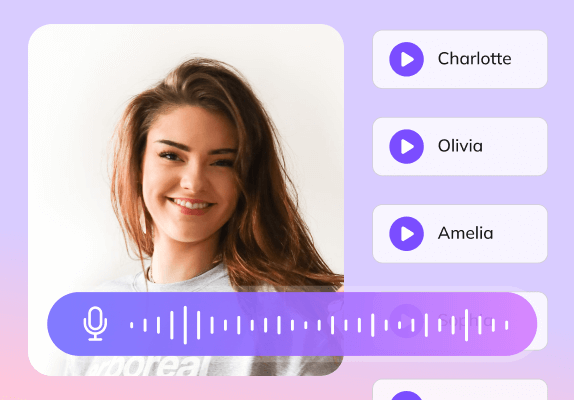
Yes. While Synthesia supports around 140+ languages, VMEG AI boasts a massive library of over 170+ languages and dialects, paired with over 7,000 distinctive voice options. This wider range allows for more culturally accurate localization, especially for niche markets and specific regional dialects.
Can VMEG translate and dub explainer videos for SaaS startups targeting multiple markets?
Yes. VMEG is a proven tool for SaaS global growth. For example, the startup Noteey uses VMEG AI to translate its product tutorials into multiple languages. This allows them to distribute localized content on social media and support global user onboarding without the high cost of traditional dubbing studios.

VMEG AI vs Synthesia
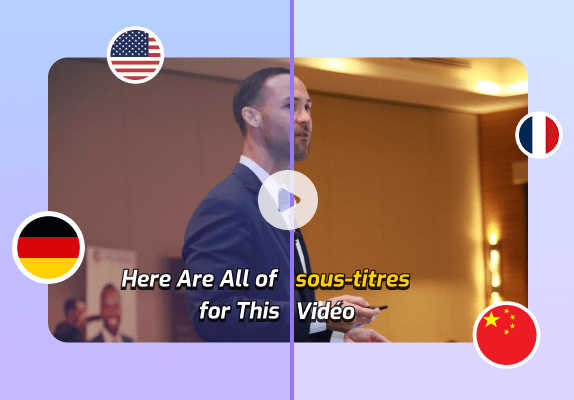
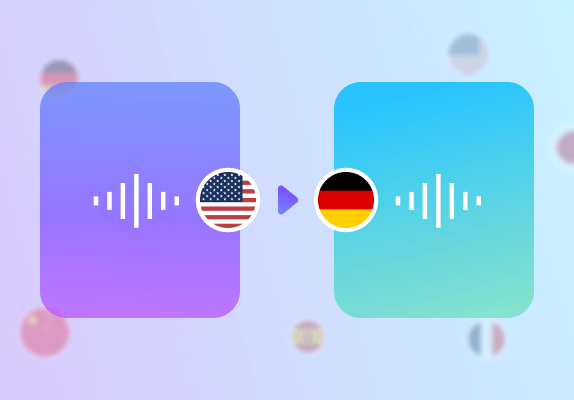
Keep your real people on camera while reaching global audiences. Empower your authentic speakers with 170+ languages—no digital avatars required.