


VMEG AI vs Wavel AI
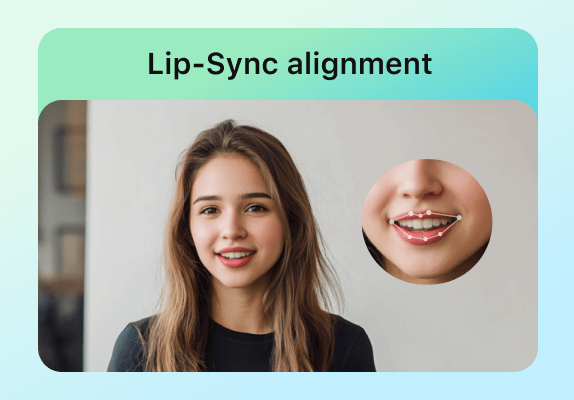
While Wavel AI is a robust tool for text-to-speech (TTS) and audio-focused dubbing, VMEG AI offers a more complete approach to video localization. Instead of simply overlaying a voice track onto a video, VMEG translates the content while perfectly syncing the speaker's lips to the new language. If you need your videos to look as natural as they sound, VMEG is the superior Wavel AI alternative.


Key Features Comparison
| Feature |  |  |
|---|---|---|
| Primary Focus | Video First (Visual & Audio) | Audio First (TTS & Dubbing) |
| AI Lip-Syncing | ||
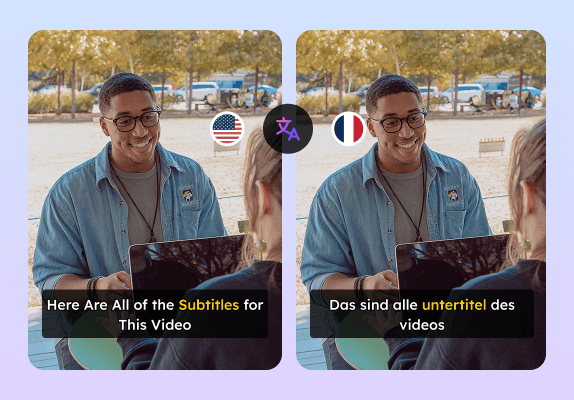
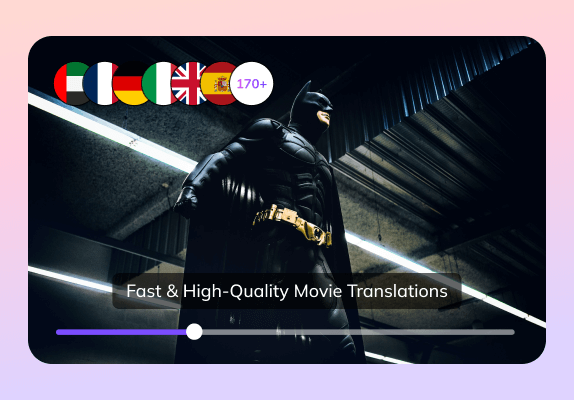
| Video Translator | 170+ languages | 100+ languages |
| Speaker Separation | Audio only | |
| Voice Cloning | ||
| Subtitle Generator | ||
| Use Case |
VMEG AI vs Wavel AI: Why Choose VMEG AI Over Wavel AI
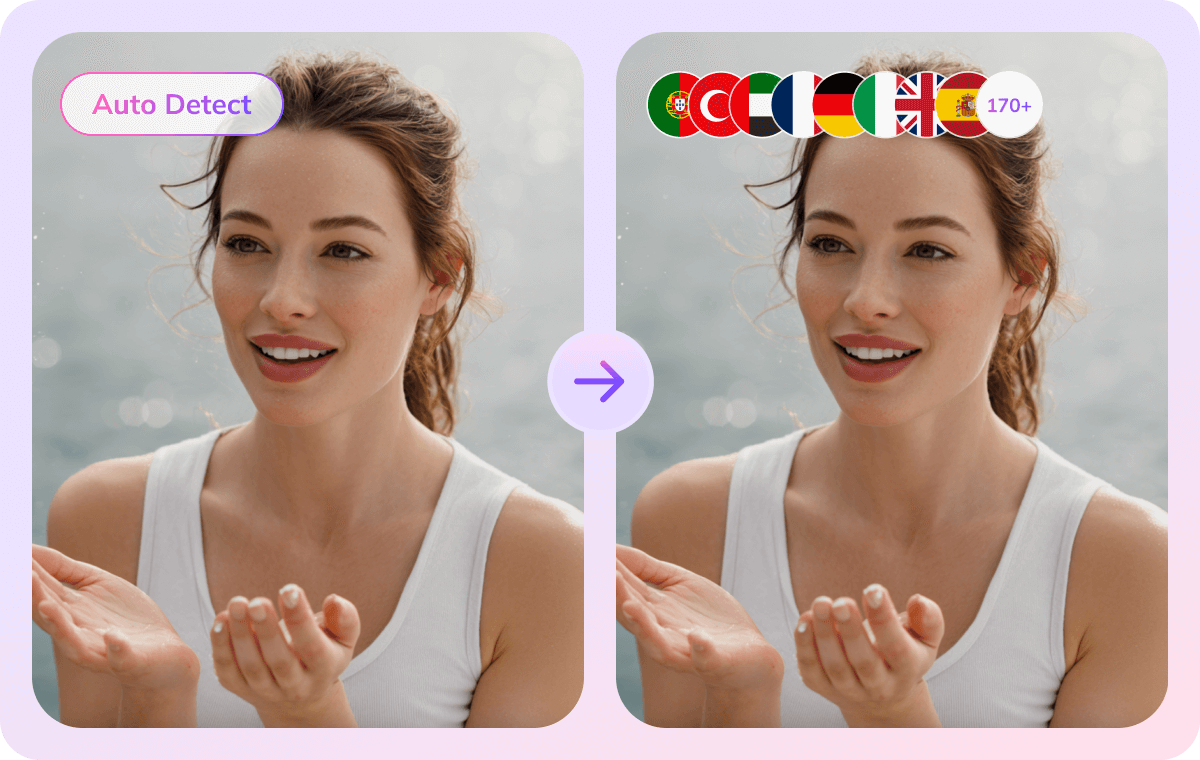
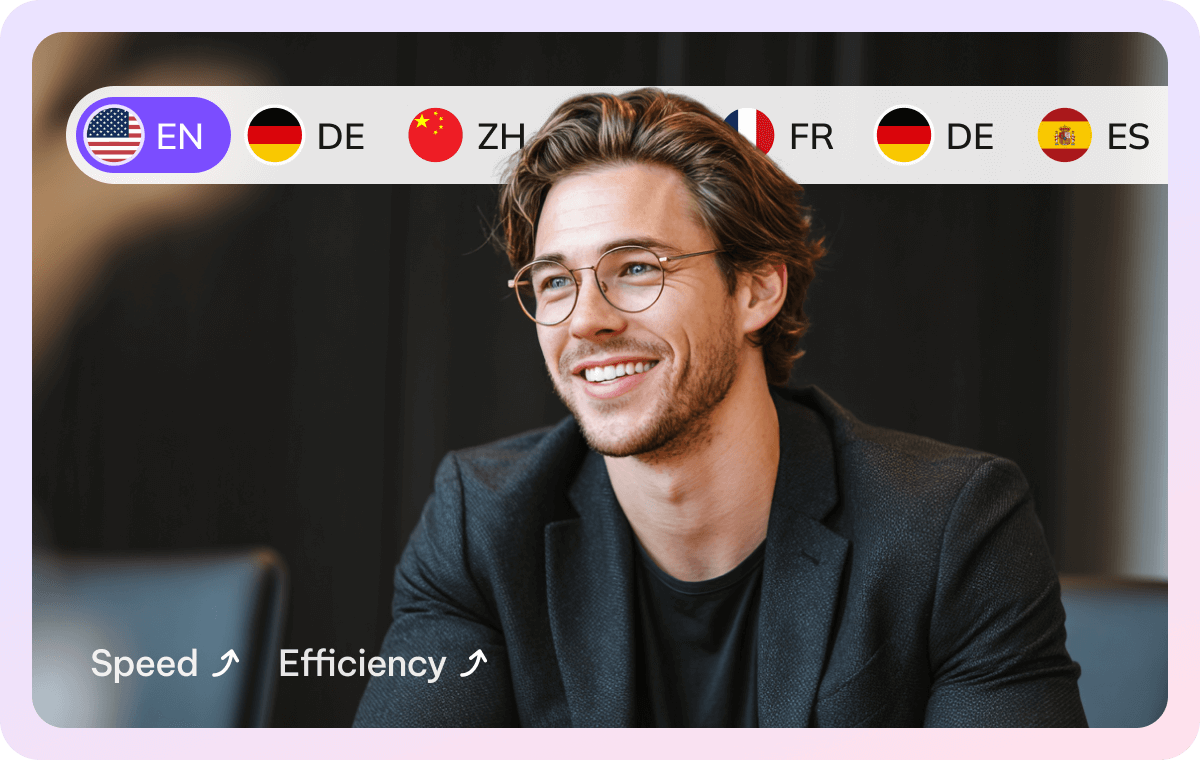
Superior Multi-Language Detection and Smart Translation
In contrast, VMEG AI supports robust multilingual recognition capabilities, accurately capturing different language variants within videos. Combined with its interactive translation prompt functionality, users can flexibly customize translation styles according to brand context, ensuring localized content excels in both accuracy and authenticity.
Unmatched Generation Speed for Maximum Productivity
VMEG AI, powered by its leading AI rendering architecture, generates the same task results in just 3 minutes—a nearly 7-fold efficiency boost. This lightning-fast generation experience enables you to effortlessly handle high-frequency publishing schedules, even when tackling large-scale video globalization projects with ease.
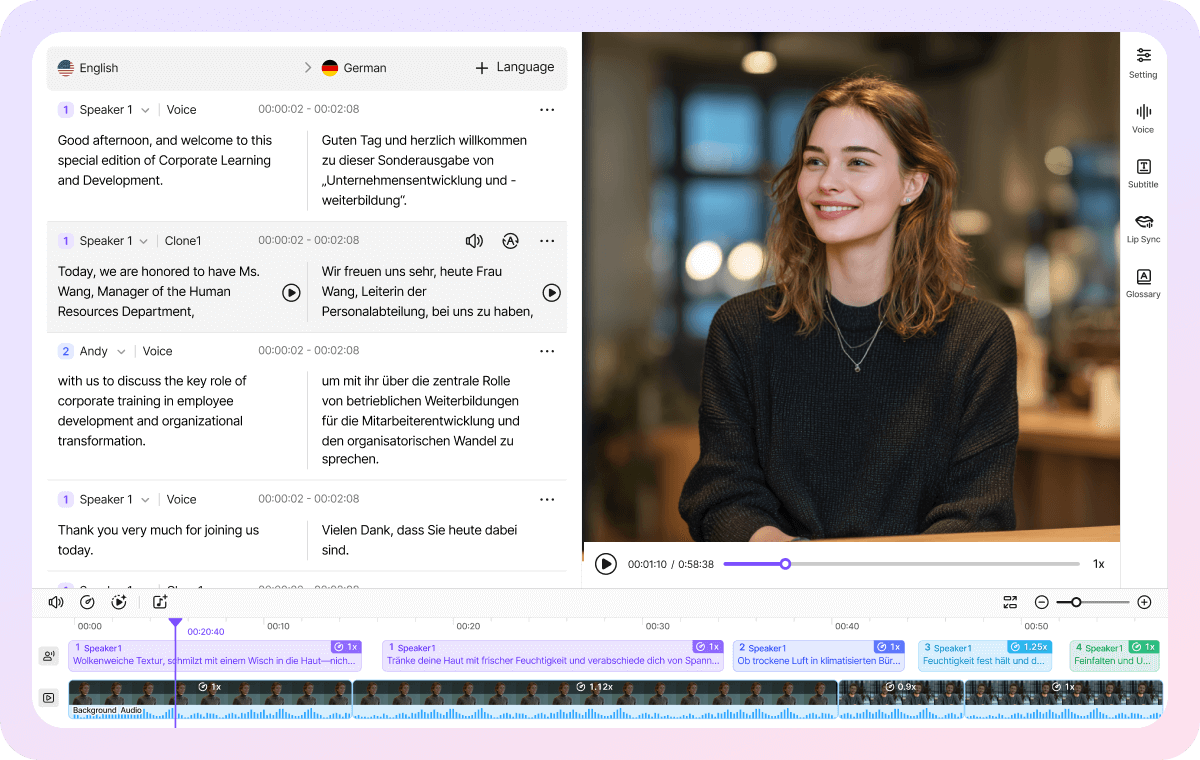
All-in-One Professional Editor with Advanced AI Features
VMEG, on the other hand, offers a fully-featured professional editing suite with advanced capabilities including Lip-Sync, Glossary, and Batch Processing. Through its intuitive editor, you can make unlimited, granular corrections to ASR recognition results and translated text, ensuring every video meets professional delivery standards.
What people say about VMEG AI

"Effortless Multilingual Video Translation with Impressive Accuracy"
The interface is clean, and uploading videos or SRT files is fast and intuitive. The accuracy of subtitles and timing is impressive, and voice cloning adds a professional touch.



"VMEG. The Most Natural AI Voice I've Ever Used"
What I like most about VMEG.AI is how naturally it captures the rhythm and emotion of real human speech. As someone who works on Japanese localization every day, I truly appreciate how this platform respects the sound and soul of each language.


"Impressive Video Translation for TV Shows and Documentaries"
The video translation feature works well for TV shows and documentaries.

"Excellent Thai Language Support, Worth the Investment"
It support Thai which is hard to find in other product.
FAQs about Wavel AI Alternatives
Is VMEG AI a cheaper alternative to Wavel AI?
Yes, VMEG AI is significantly more affordable.
- Wavel AI: Typically starts around $18/month (Basic plan), which can be expensive for users who only need occasional video translation.
- VMEG AI: Offers a starter plan at $10/month (billed annually), making it less than half the price of Wavel while including advanced visual features like lip-syncing.
Why is Lip-Sync important when choosing a Wavel AI alternative?
Lip-sync is the difference between a "voiceover" and a "localized experience." Tools like Wavel AI often leave the original lip movements, which looks unnatural when the audio is in a different language. VMEG AI adjusts the speaker's mouth to match the new audio and trust with the audience. If your video features a person talking to the camera, VMEG is the better choice.
Does VMEG AI support Voice Cloning like Wavel AI?
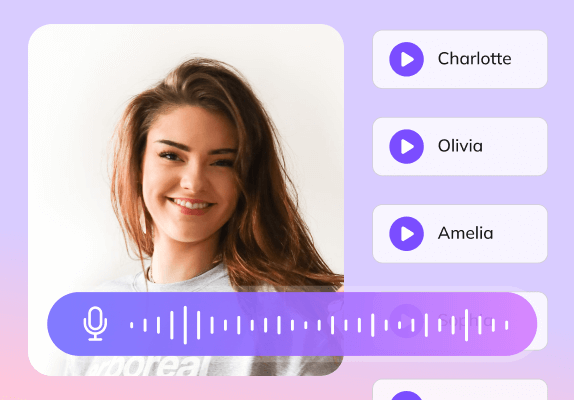
Yes, VMEG AI offers advanced Voice Cloning capabilities. While Wavel AI is known for its TTS voices, VMEG allows you to clone the original speaker's voice to maintain their unique tone and brand identity across different languages. VMEG's cloning is optimized for video, ensuring the emotional tone matches the facial expressions in the clip.
Is Wavel AI better for audio-only projects?
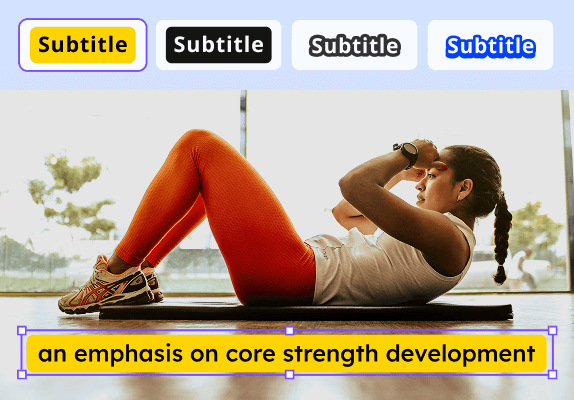
If your project is strictly audio (like a podcast, audiobook, or radio ad) and requires zero video components, Wavel AI is a strong contender due to its TTS heritage. However, if your project involves video, VMEG AI provides a more comprehensive solution that handles transcription, translation, dubbing, subtitles, and lip-syncing in a single workflow.
Can I use VMEG AI for multiple speakers in one video?
Absolutely. VMEG AI features automated Multi-Speaker Recognition. It can identify different speakers in a video and apply distinct voice clones or translation settings to each one. This is often a complex process in general audio tools, but VMEG streamlines it specifically for video interviews, panel discussions, and dramatic content.
How does VMEG perform on low-resource languages compared with Wavel or Veedub?
VMEG stands out for its sheer breadth, supporting over 170 languages, which gives it an edge in covering niche or low-resource languages that others might miss. While public accuracy benchmarks for these specific languages are rare industry-wide, VMEG's extensive library makes it one of the few viable options if you need to reach smaller, specific regional audiences.
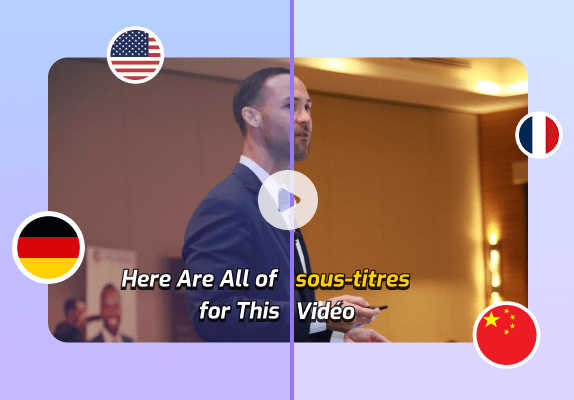
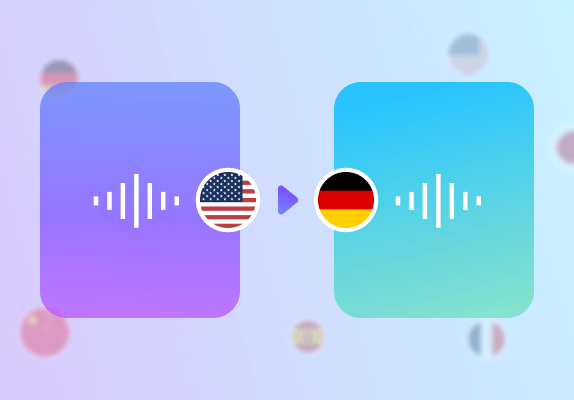

VMEG AI vs Wavel AI
Upgrade from audio dubbing to complete video localization. Get automatic lip-sync technology at less than half the price of Wavel AI.