

'%3e%3cpath%20d='M21.0949%203.79395L13.9961%209.82854H21.0949V3.79395Z'%20stroke='black'%20stroke-width='1.38'%20stroke-miterlimit='10'/%3e%3cpath%20d='M13.998%209.82854L7.44531%203.79395V9.82854H13.998Z'%20stroke='black'%20stroke-width='1.38'%20stroke-miterlimit='10'/%3e%3cpath%20d='M13.9961%202.69922V25.1919'%20stroke='black'%20stroke-width='1.38'%20stroke-miterlimit='10'/%3e%3cpath%20d='M20.5488%2016.4113L13.9961%209.82812V18.2217L20.5488%2024.0918V16.4113Z'%20stroke='black'%20stroke-width='1.38'%20stroke-miterlimit='10'/%3e%3cpath%20d='M7.44531%2016.4113L13.998%209.82812V18.0526L7.44531%2024.0918V16.4113Z'%20stroke='black'%20stroke-width='1.38'%20stroke-miterlimit='10'/%3e%3cpath%20d='M4.71094%209.82812V18.6057H7.44125V16.4113L13.9941%209.82812H4.71094Z'%20stroke='black'%20stroke-width='1.38'%20stroke-miterlimit='10'/%3e%3cpath%20d='M13.9961%209.82812L20.5488%2016.4113V18.6057H23.2792V9.82812H13.9961Z'%20stroke='black'%20stroke-width='1.38'%20stroke-miterlimit='10'/%3e%3c/g%3e%3c/svg%3e)

'%3e%3cmask%20id='mask0_21456_29260'%20style='mask-type:luminance'%20maskUnits='userSpaceOnUse'%20x='0'%20y='0'%20width='28'%20height='28'%3e%3cpath%20d='M27.5%200.5H0.5V27.5H27.5V0.5Z'%20fill='white'/%3e%3c/mask%3e%3cg%20mask='url(%23mask0_21456_29260)'%3e%3cpath%20d='M14%2027.5C13.4854%2024.1035%2011.8974%2020.9608%209.46828%2018.5317C7.03922%2016.1026%203.89651%2014.5146%200.5%2014C3.89651%2013.4854%207.03922%2011.8974%209.46828%209.46828C11.8974%207.03922%2013.4854%203.89651%2014%200.5C14.5147%203.89644%2016.1028%207.03905%2018.5318%209.46816C20.9609%2011.8972%2024.1035%2013.4853%2027.5%2014C24.1035%2014.5147%2020.9609%2016.1028%2018.5318%2018.5318C16.1028%2020.9609%2014.5147%2024.1035%2014%2027.5Z'%20fill='url(%23paint0_linear_21456_29260)'/%3e%3c/g%3e%3c/g%3e%3cdefs%3e%3clinearGradient%20id='paint0_linear_21456_29260'%20x1='9.5'%20y1='9.5'%20x2='20.75'%20y2='21.875'%20gradientUnits='userSpaceOnUse'%3e%3cstop%20stop-color='%23F0DCD6'/%3e%3cstop%20offset='0.914506'%20stop-color='%231D6DFF'/%3e%3c/linearGradient%3e%3cclipPath%20id='clip0_21456_29260'%3e%3crect%20width='28'%20height='28'%20fill='white'/%3e%3c/clipPath%3e%3c/defs%3e%3c/svg%3e)
'%3e%3cpath%20d='M22.8019%2011.2412L23.5234%2011.6807V12.0103L23.3172%2012.7796L14.5579%2014.9771L13.7344%2012.7951L22.8019%2011.2412Z'%20fill='%23D97757'/%3e%3cpath%20d='M19.5236%204.77832L20.5322%205.00396L20.8%205.35575L21.0552%206.19876L20.9494%206.73644L15.0712%2015.3068L13.1133%2013.2191L18.5338%205.63471L19.5236%204.77832Z'%20fill='%23D97757'/%3e%3cpath%20d='M14.4577%203.43951L15.0761%203L15.5912%203.21976L16.1065%203.9889L14.6949%2013.0345L13.7364%2012.3397L13.3242%2011.131L14.0456%204.31853L14.4577%203.43951Z'%20fill='%23D97757'/%3e%3cpath%20d='M7.84766%203.5851L8.48285%202.7199L8.89716%202.61914L9.71923%202.74717L10.125%203.08581L13.0815%2010.0748L14.1509%2013.3954L12.8997%2014.1372L8.13117%204.91019L7.84766%203.5851Z'%20fill='%23D97757'/%3e%3cpath%20d='M4.77232%208.38688L4.56641%207.50742L5.18478%206.73828L5.90613%206.84816H6.11223L10.4403%2010.2544L11.78%2011.3531L13.6349%2012.8914L12.6044%2014.7594L11.6769%2013.9903L11.0586%2013.331L5.08168%208.82593L4.77232%208.38688Z'%20fill='%23D97757'/%3e%3cpath%20d='M3.53288%2014.0982L3.06641%2013.5489L3.06647%2013.0601L3.53288%2012.8896L8.78833%2013.2193L13.9408%2013.6588L13.7736%2014.7528L3.94502%2014.2082L3.53288%2014.0982Z'%20fill='%23D97757'/%3e%3cpath%20d='M6.62378%2019.8178H5.59334L5.18359%2019.3146V18.7132L6.93299%2017.3946L14.045%2012.5674L14.7648%2013.8785L6.62378%2019.8178Z'%20fill='%23D97757'/%3e%3cpath%20d='M8.57739%2022.8884L8.16518%2022.9984L7.54688%2022.6687L7.64995%2022.1193L13.7299%2013.5488L14.5543%2014.7574L10.0201%2021.1305L8.57739%2022.8884Z'%20fill='%23D97757'/%3e%3cpath%20d='M13.7361%2023.9861L13.4271%2024.4257L12.8088%2024.6454L12.2935%2024.2058L11.9844%2023.5466L13.5301%2014.6465L14.4576%2014.7563L13.7361%2023.9861Z'%20fill='%23D97757'/%3e%3cpath%20d='M18.9869%2021.5713V22.4503L18.8838%2022.7799L18.4716%2022.9997L17.7503%2022.8974L12.7969%2015.0367L14.7617%2013.4404L16.4104%2016.6269L16.5652%2017.7805L18.9869%2021.5713Z'%20fill='%23D97757'/%3e%3cpath%20d='M21.3629%2020.2507L21.4659%2020.8L21.1568%2021.2396L20.8476%2021.1297L19.0958%2019.8112L16.4165%2017.284L14.3555%2015.7457L14.9736%2013.6582L16.0041%2014.3175L16.6226%2015.5259L21.3629%2020.2507Z'%20fill='%23D97757'/%3e%3cpath%20d='M20.0232%2014.6482L22.5995%2014.8679L23.2178%2015.3074L23.6299%2015.9667V16.441L22.4964%2016.9556L16.7256%2015.4173L14.3555%2015.3074L14.9737%2013L16.6226%2014.3185L20.0232%2014.6482Z'%20fill='%23D97757'/%3e%3c/g%3e%3c/svg%3e)
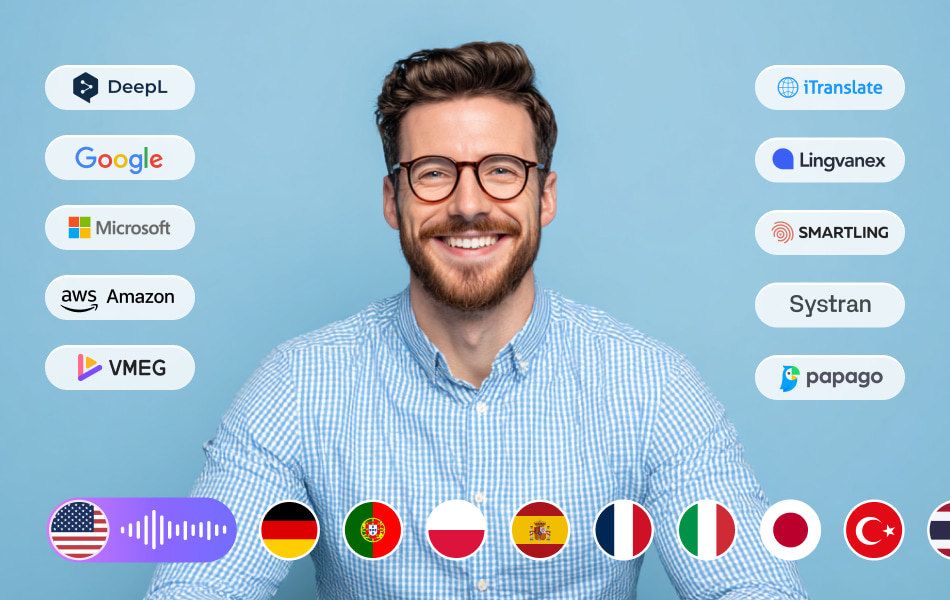
In the existing globalised world, language communication has emerged as a requirement amongst business organisations, instructors as well as content creators. Whether it is videos, podcasts, or writing, quality and effective translation is required.
Luckily, the attitude towards multidimensional content has been totally changed by AI-based translation systems. They render the translation process more economical, time-saving, and easier, and the quality of the product remains high.
This source will address the best AI translation tools in 2025, their characteristics, usage, and the way they will facilitate communication between countries. We shall also show why the VMEG AI will be superior to them.
The Importance of AI Translation Tools in 2025
AI translation tools have ceased to be handicraft tools-they are the key to going global. Conventional translation involves the use of human translators, thus making it expensive, time-consuming, and subject to inconsistencies.
The current AI translation systems use advanced neural networks, natural language processing, and machine learning to provide contextually accurate and culturally sensitive translation services.
The advantages of AI translation tools are:
- Speed: Multilingual and real-time or near-instantaneous translation.
- Scalability: Translations of high volumes of content into more than one platform do not require extra human resources.
- Accuracy: Sophisticated algorithms preserve context, idioms, and tone.
- Multimedia Support: The current AI resources can translate videos, podcasts, and other non-textual resources without problems.
The creators can also process audio, video, and subtitles, and therefore, it is considered one of the most efficient options to ensure the localization of global content, with the help of tools such as VMEG AI.
The 10 Best Translation Tools Based on AI
The following are the most useful and best AI translation tools that companies and content developers can rely on in 2025 to make multilingual communication easier:
VMEG AI: The Ultimate AI Video Translator
VMEG AI is the tool that is the most appropriate when one touches on the videos, podcasts, or multilingual materials. It is a translation software that is able to translate whole videos, audio files, and subtitles in more than 170 different languages, unlike the other common translation software.
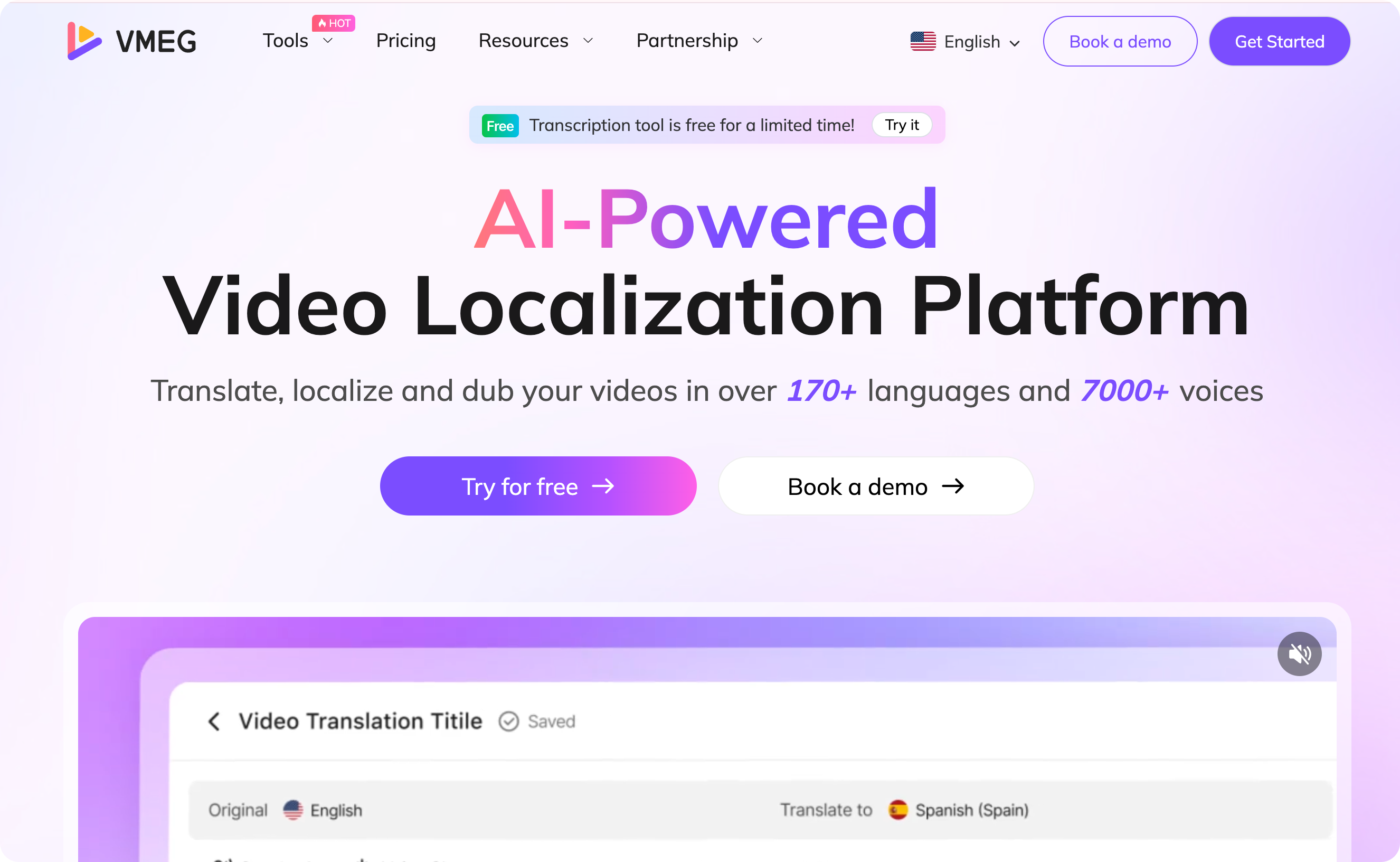
Why VMEG AI Stands Out
VMEG AI is one of the finest AI translation applications since it does not just translate texts. It is particularly aimed at creators, educators, and marketers who require localization to be professional, yet not as complex as using multiple tools. Key advantages include:
- Complete Multimedia Translation: Translates video, audio, and subtitles under a single platform.
- Natural Voice Replication: Makes content that is translated seem human and natural.
- YouTube Transcript Extraction: Extracts Transcripts automatically in a few hours.
- 170+ Languages: Can access literally any audience worldwide.
- Interchangeable User-Friendly Interface: Makes the professional localization task easier for people and groups.
VMEG AI translates to make sure your message is correct, natural, and interesting in any language, whether you are producing multilingual webinars, educational videos, or marketing campaigns worldwide.
DeepL Translator
DeepL has gained an image of the most accurate translations, especially of European languages. It employs deep neural networks to generate context-sensitive translations, and thus it is popular amongst writers, editors, and professional communicators. Although it is mainly a text-based application, it is also combined with other platforms in document translations.

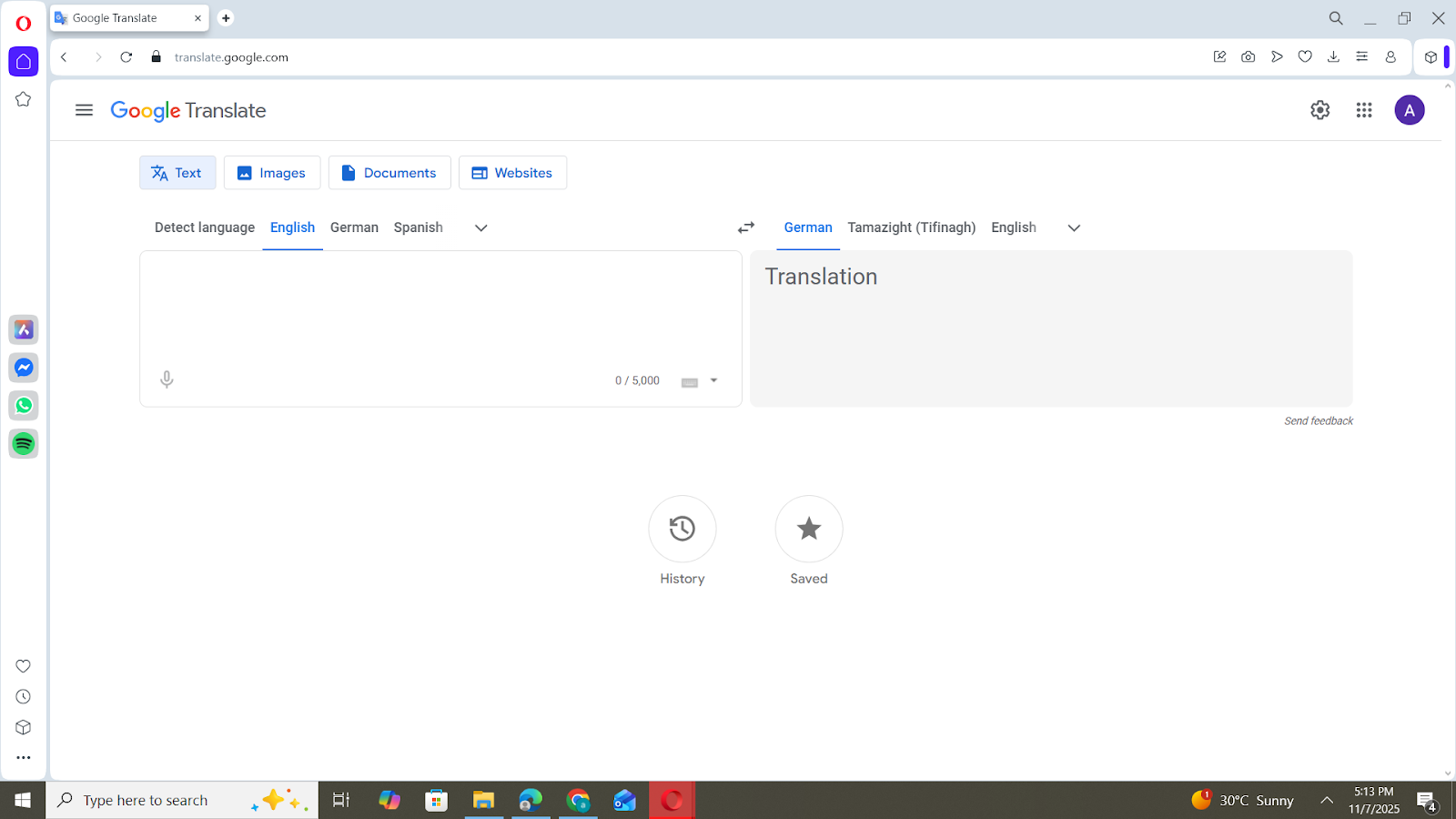
Google Translate
Google Translate is one of the most used AI translators. More than 100 languages can be translated there, and it also includes such options as real-time camera translation, speech recognition, and conversation translation. Google Translate will be of a greater help when it involves immediate translation as well as transcending platforms.
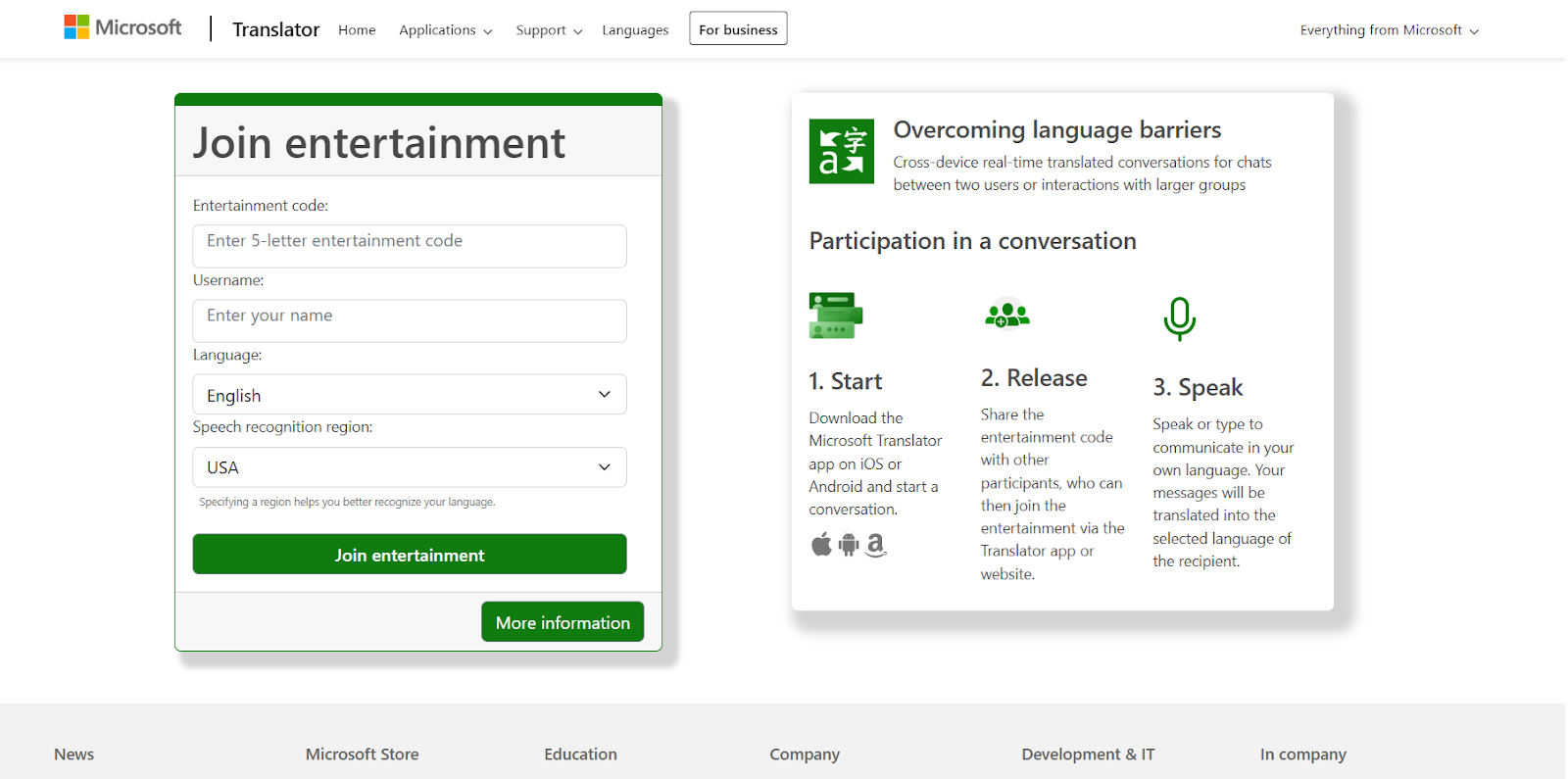
Microsoft Translator
The Microsoft translator is embedded in the Microsoft ecosystem so that it can support easy translations in word, power point, Teams, and outlook. Its AI service offers text, speech, and even document translations, which is why it is a perfect fit in a corporate setting. It is also compatible with real-time subtitle generation of live meetings.
Amazon Translate
Amazon Translate is an inclusion of the AWS cloud which targets developers and business organizations in need of scalable translation services. It provides both real-time and batch translation that is highly accurate and has a variety of industry-specific terms. The Amazon Translate is specifically applicable when undertaking large scale localization of content.

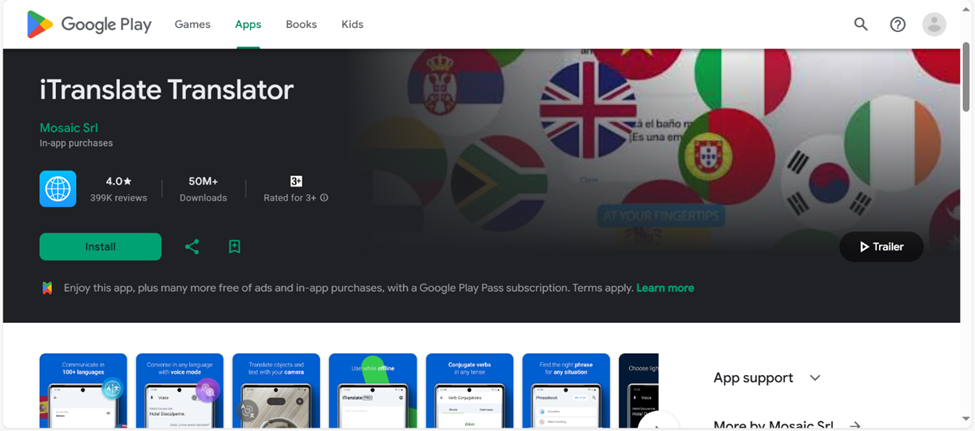
iTranslate
iTranslate is a company that focuses on mobile-first translation. It supports voice to voice translation, offline support and dictionaries, thus it is ideal to travelers, field workers and content creators who are on the go. Its artificial intelligence-based proposals make the process of translation more natural.
LingvaNex
LingvaNex is a text, voice and document translation that is AI-powered. It supports more than 100 languages and offers such opportunities as website translation, desktop, and mobile platforms. It has a strong API, which simplifies the integration of translation into current workflows.

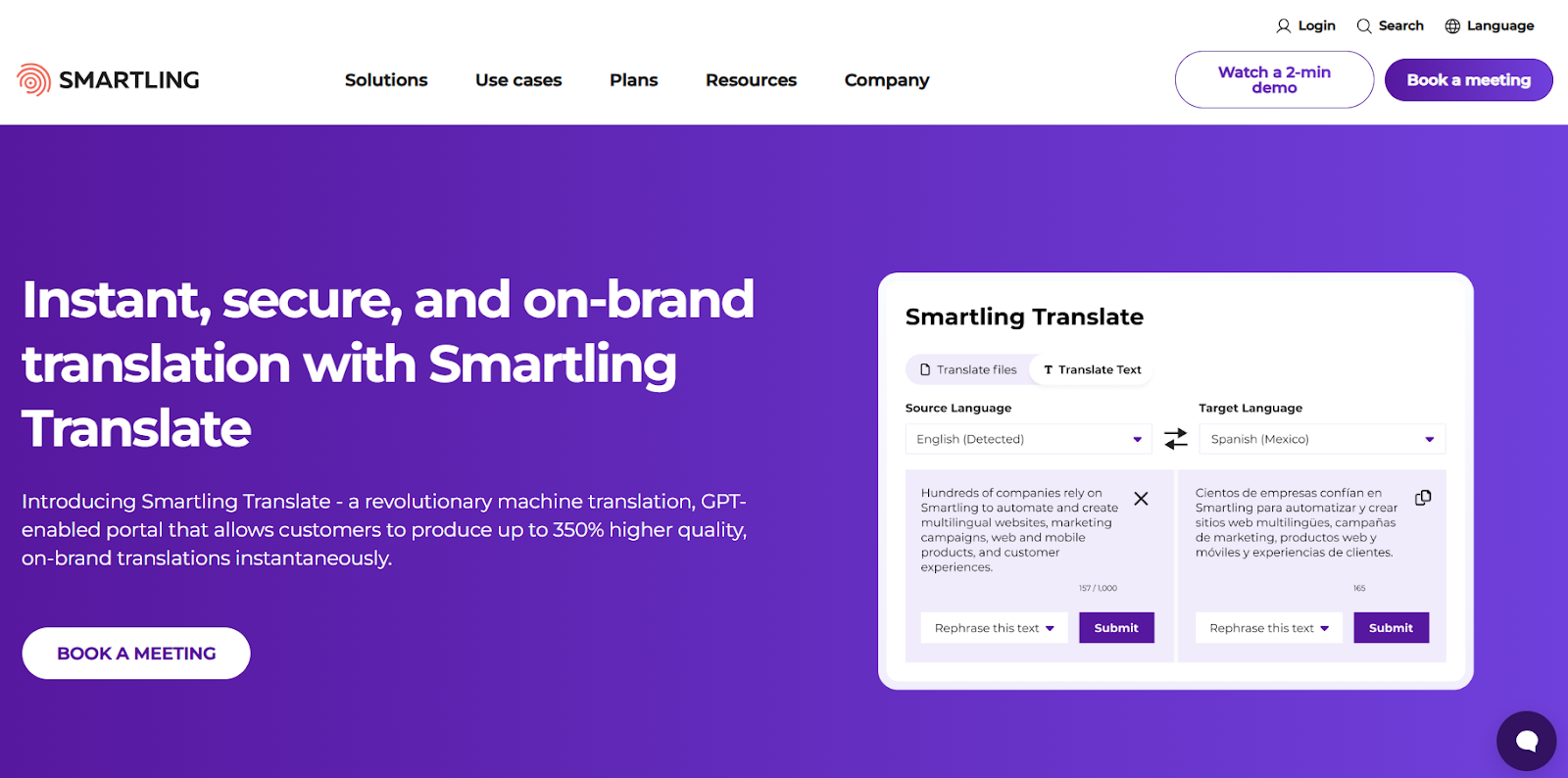
Smartling
Smartling is a product aimed at localization and translation management at the enterprise level. It is a combination of AI translation, but it also has human post-editing, which guarantees speed and accuracy. Smartling is favored by international brands that want to ensure similar messages in various languages.
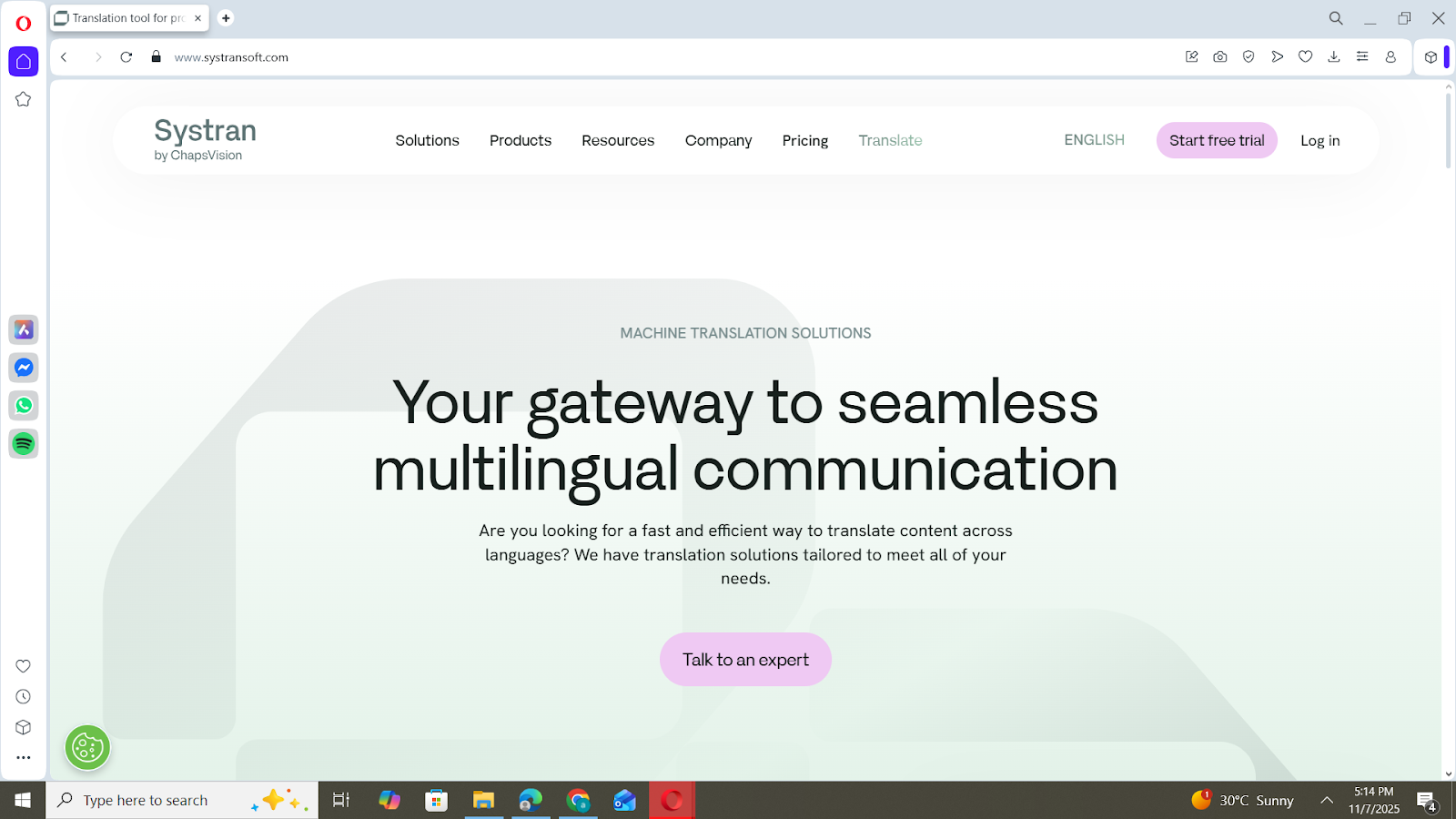
SYSTRAN
SYSTRAN is business-oriented and aims at professional applications, providing AI-based translation based on industry-specific language models. It promotes secure and cloud-based translation of businesses that need confidentiality and specialized words.
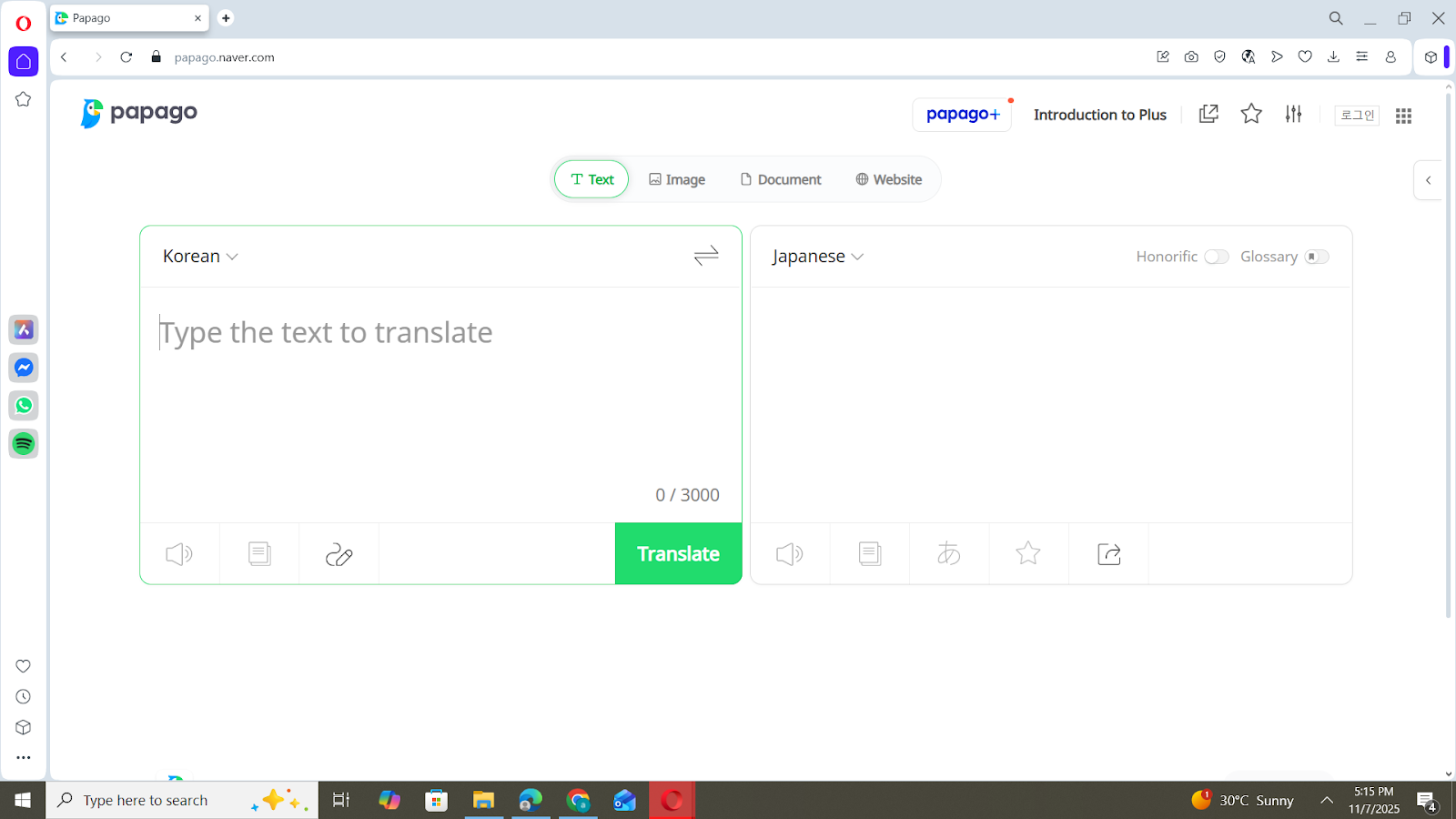
Papago by Naver
Papago is a machine driven translator with the orientation towards the Asian languages which are Korean, Japanese and Chinese. It plays through its neural translation machine and supports text, image, and voice input, which is why it is an appropriate solution to fill the gap with the content in East Asian markets.
Key Features to Look for in AI Translation Tools
The following features may be used in picking the most appropriate AI translation tools:
- Multimedia Support: The option to translate videos, audio and subtitles is considered an essential part of a world-wide content. VMEG AI in this respect is a winner because it can be applied in managing entire multimedia projects on a single platform.
- Language Support: View the amount of languages covered and also whether your target markets are covered.
- Context Awareness: Sophisticated AI should be capable of calculating idioms, intonation, and context and not word to word translation.
- Integration: Discover the tools, which could be incorporated into the existing workflow, platform, or software and exploited in the same fashion.
- Voice and Lip-Sync Functionalities: AI systems capable of imitating voices and lips can be more natural to reach videos with the localisation of the lips and voices, like VMEG AI.
- Easy to use: It will be easy to translate even to the least technical users because of its ease of using.
- Scalability: Choose AI tools that can analyze and process a high volume of content without compromise of quality.
How AI Translation Tools Improve Global Communication
The translation tools based on AI do not only save time and money but also enhance the level of interaction and accessibility. Businesses, educators and content creators can:
- Break down videos and podcasts to various groups.
- Localize to save cultural differences.
- Reuse messages in different languages without having to create them afresh.
- Make global projects turn around faster.
- Ensure market brand consistency.
Using AI applications such as VMEG AI, creators will be able to use the same tool to be efficient and to be high-quality at the same time so that multilingual communication becomes easy and cost-effective to scale.
How to Make AI Translating Tools Most Efficient
- Select the Right Tool to the Task: VMEG AI will be the best in working with video and audio, whereas text-based documents can be done well with DeepL or Google Translate.
- Check AI Output: Although AI is effective, a second look will ensure that cultural subtleties and context are taken into consideration.
- Take advantage of Automation: Take advantage of such options as automatic transcript extractor and subtitle syncing to save time.
- Integrate AI and Human Feedback: Use AI translation with human post-editing when it comes to important projects to operate with accuracy.
- Keep Glossaries and Style Guides: This is used to guarantee the use of a consistent set of terminology and tone across more than a single language.
AI Translation Tools of in the Future
In the future, AI translation applications will keep improving to become more video-localization and global-communication-friendly:
- Real-Time Translation: Live stream and webinar translation.
- Emotion-Sensitive Voice Translation: AI will translate the tone, emotion and personality across different languages.
- Localization powered by AI: AI will adjust images, gestures, and cultural symbols to each target market.
- VR/AR Integration: AI translation will allow multilingual experiences to be captured in virtual and augmented reality works.
Such tendencies render investment in the finest AI translators as a must-have item in any brand or creator that seeks to compete on the international stage in 2025.
Conclusion
AI translation tools have never eased the global communication process. In the translations that are text-based, but also full localized multimedia materials, AI enables creators and businesses to target audiences all over the world efficiently.
VMEG AI is one of the best AI translation tools to use in cases of video, audio and subtitles. It is localized to 170 languages with advanced AI that makes it sound natural with lipsync and translation, making it easy to localize content globally.
Regardless of whether you are a creator, educator, or a global marketer, you can use these AI translation tools to increase your reach, save time, and create high-quality multilingual content. Being able to translate using AI in 2025 is not only a benefit but also a requirement to be successful in the world.


The VMEG Team
Behind VMEG stands a passionate team of creatives, engineers, and language lovers. At the crossroads of AI and storytelling, they craft tools that bridge languages and cultures.