The AI Translation Agent: Scaling Quality and Regulatory Compliance
Key Takeaways
- An AI translation agent plans, decides, and runs localization steps from a goal, rather than waiting for one command at a time.
- Quality gains come from context retention, glossary control, cultural adaptation, brand voice consistency, and scored QA with human review where risk sits.
- Compliance work leans on terminology standards, regional rules, human-in-the-loop checks for sensitive material, and encrypted, non-training data pipelines.
- For video localization, VMEG???s AI Localization Agent covers 170+ languages, plan approval, editing, and export in one workflow.
- Teams use agents most often for high-volume multilingual output, regulated content, continuous localization, and audiovisual media.
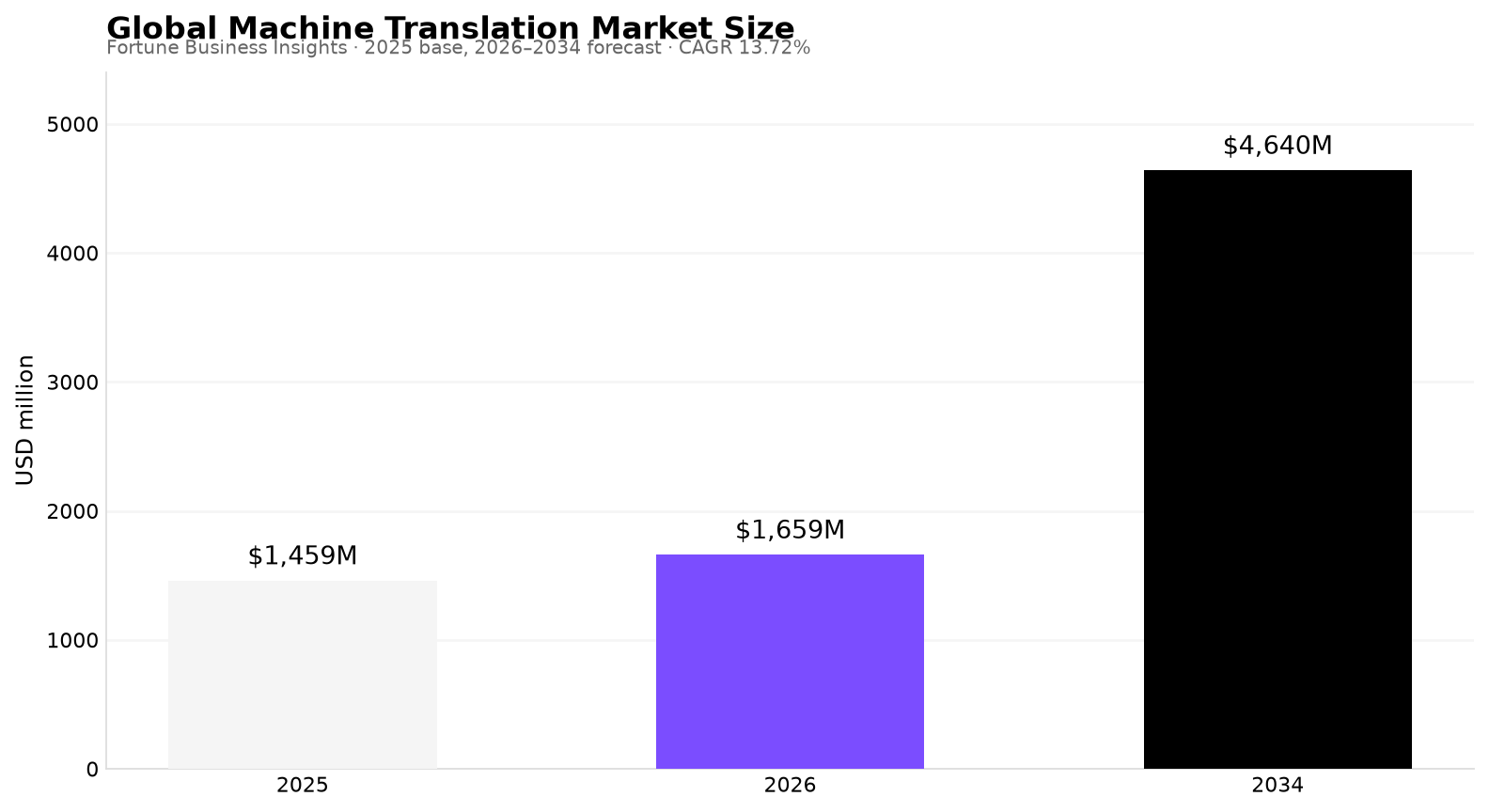
Teams ship more multilingual content each year. Fortune Business Insights values the global machine translation market at USD 1,459.16 million in 2025 and projects growth from USD 1,659.31 million in 2026 to USD 4,639.91 million by 2034 (CAGR 13.72%). That spend moves beyond one-off text jobs into agent-style workflows that keep quality and compliance attached to volume.
What Is an AI Translation Agent?
An AI translation agent takes text, audio, documents, or video in one language and produces an equivalent message in another. Stronger systems also read context, tone, and intent, then choose the next localization step.
A working agent typically:
- Ingests source media or text
- Interprets meaning and situational context
- Generates the target-language version
- Refines grammar, tone, and cultural fit before delivery
How it works
- Input processing. The agent receives the source file or text.
- Language understanding. Models parse grammar, domain terms, and intent.
- Translation generation. The system drafts the target version.
- Refinement. QA passes check fluency, tone, and glossary adherence before export.
AI Translation Agent vs AI Translation Tool
What is an AI translation tool?
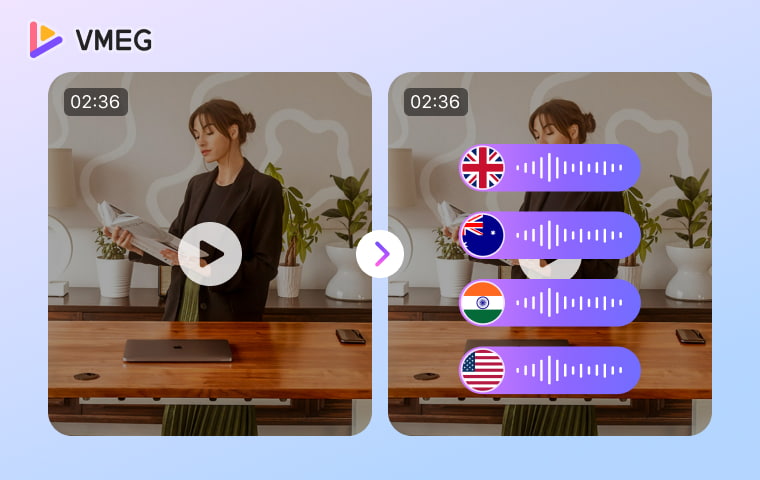
An AI translation tool converts supported file types (text, documents, audio, images, websites, video) with machine learning models. VMEG???s video translator localizes video into 170+ languages and exports dubbed video, subtitles, or audio tracks.
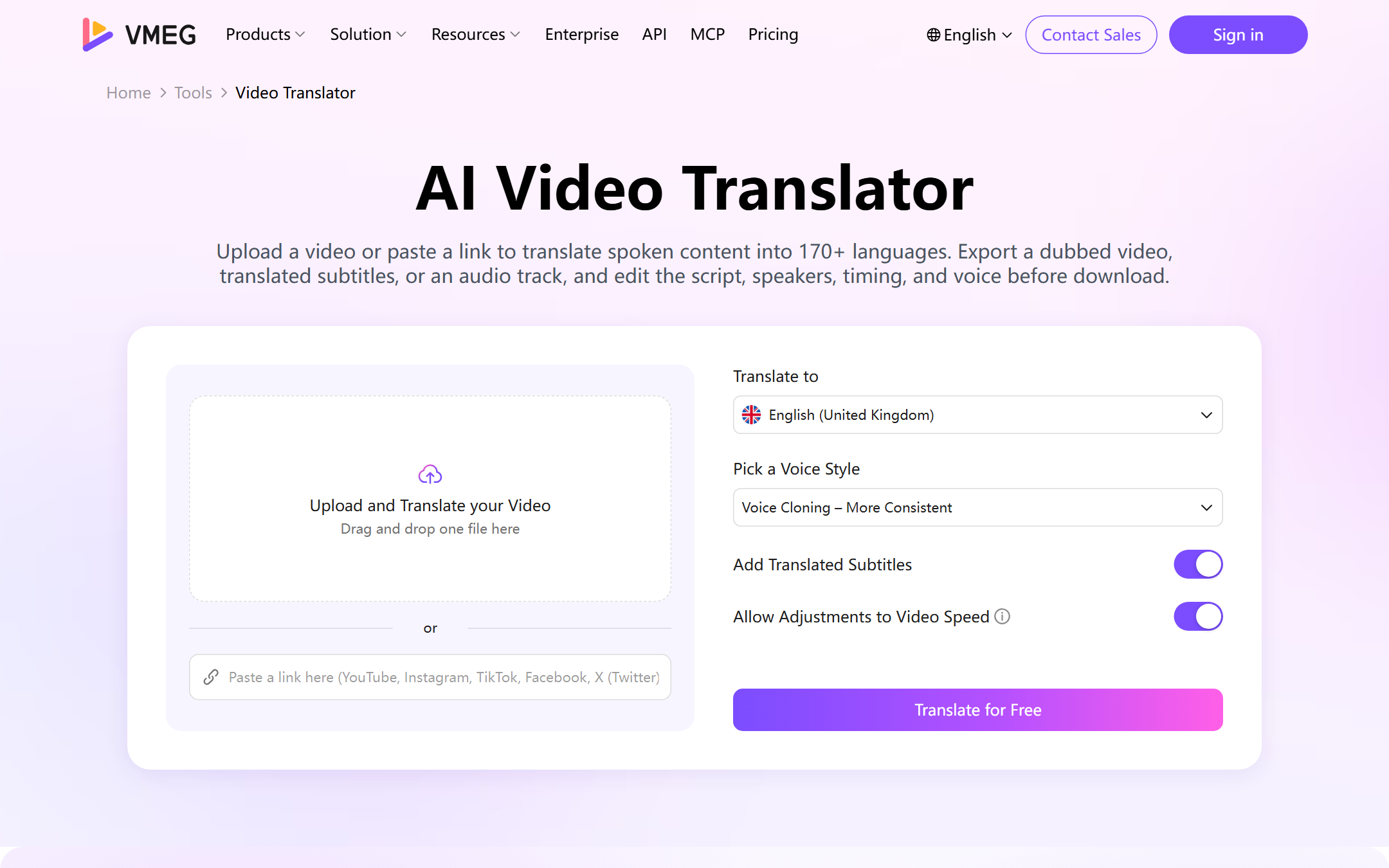
A tool still needs the user to trigger each step: translate, then subtitle, then voiceover, then timing fixes.
What makes a tool an agent?
An agent owns a multi-step goal. It proposes a plan, executes linked tasks, and pauses for human approval at control points. Organizations also build domain agents on top of LLMs for marketing copy, support replies, or product docs.
VMEG???s Localization Agent follows a Goal ??? Plan ??? Execute ??? Validate ??? Deliver loop for video: upload or paste a link, approve the plan, preview and edit, then export.
The Architecture of an AI Translation Agent
Architecture describes how the agent perceives input, chooses actions, and completes the goal. Designs vary by product, but three layers show up often:
- Reasoning: reactive, deliberative, or hybrid decision loops
- Deployment: single-agent or multi-agent setups
- Coordination: hierarchical routing, workflow engines, and human-in-the-loop gates
Video agents add multimodal pipelines (ASR, translation, TTS/dubbing, subtitle alignment, optional lip-sync) under the same orchestration layer.
How AI Agents Improve Translation Quality
Word-for-word MT still fails on idioms, humor, and brand voice. Agents keep state across steps, so later stages reuse earlier decisions about audience, glossary, and tone.
Context preservation
The agent keeps meaning and situational cues when the same term shifts by region or channel. A product claim that works in a US ad may need a different framing for a regulated EU market.
Terminology consistency
Glossaries and domain dictionaries lock product names, legal phrases, and UI strings. Agents apply those constraints across languages instead of inventing near-synonyms each run.
Cultural localization
Literal output can read stiff or miss local references. Agents flag awkward phrasing and, when configured, adapt examples and idioms for the target audience.
Tone and brand voice control
Voice settings (formal, instructional, promotional) travel with the job so dubbed audio and subtitles stay recognizable as the same brand.
Automated quality scoring
Many pipelines score fluency, terminology hits, and sync errors, then route low scores to human review. Hybrid QA cuts blind export risk without sending every sentence to a linguist.
How AI Translation Agents Support Regulatory Compliance
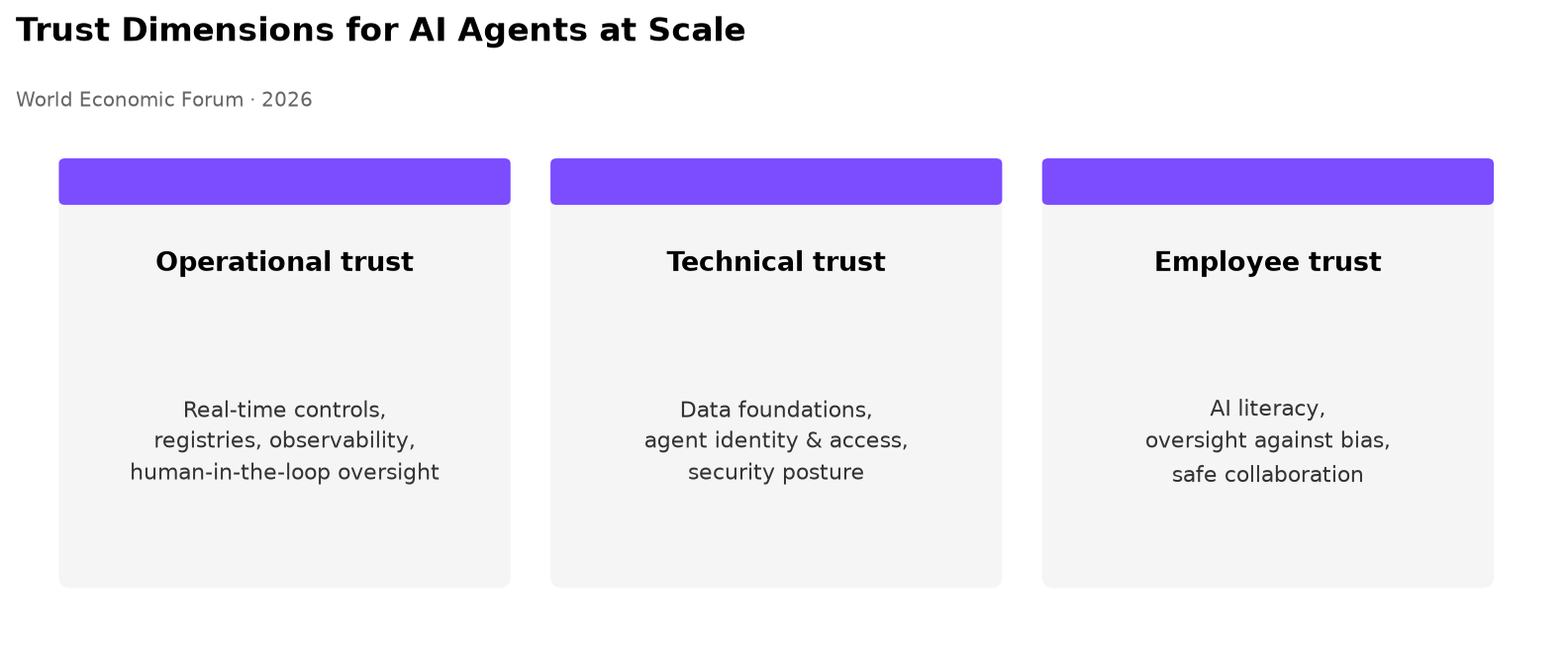
According to the World Economic Forum (2026), trust at scale for AI agents rests on three dimensions: operational trust (controls and human oversight), technical trust (data foundations and security), and employee trust (literacy and informed use). Localization teams map those dimensions onto terminology, regional rules, review gates, and private media handling.
Maintaining terminology standards across languages
Approved termbases reduce mistranslation of regulated claims and keep product language consistent across markets.
Localization for regional regulations
Some markets require official-language availability, captioning for accessibility, or platform-specific content rules. Agents can encode those checks as plan steps or post-edit checklists before publish.
Human-in-the-loop review for sensitive content
Medical, legal, financial, and political material still needs human judgment. Agents draft and score; reviewers approve or roll back at defined gates.
Data privacy and secure translation pipelines
Choose vendors that encrypt media in transit and at rest, isolate workspaces, and avoid training on customer videos, scripts, or voice by default. VMEG documents encryption (AES-256 at rest, TLS 1.3 in transit) and a privacy-first default on its product pages.
How Organizations Implement AI Translation Agents
Custom agents on LLM frameworks
Teams wire an LLM to internal TMS/CMS tools, glossaries, and approval queues. That path fits unique compliance stacks but needs engineering ownership for evals, logging, and access control.
Specialized agents for content types
Other teams buy domain agents. Marketing uses copy agents; support uses chat translation; video teams use a video-native localization agent for ASR, translation, dubbing, subtitles, and export.
How VMEG Implements an AI Translation Agent for Video Localization
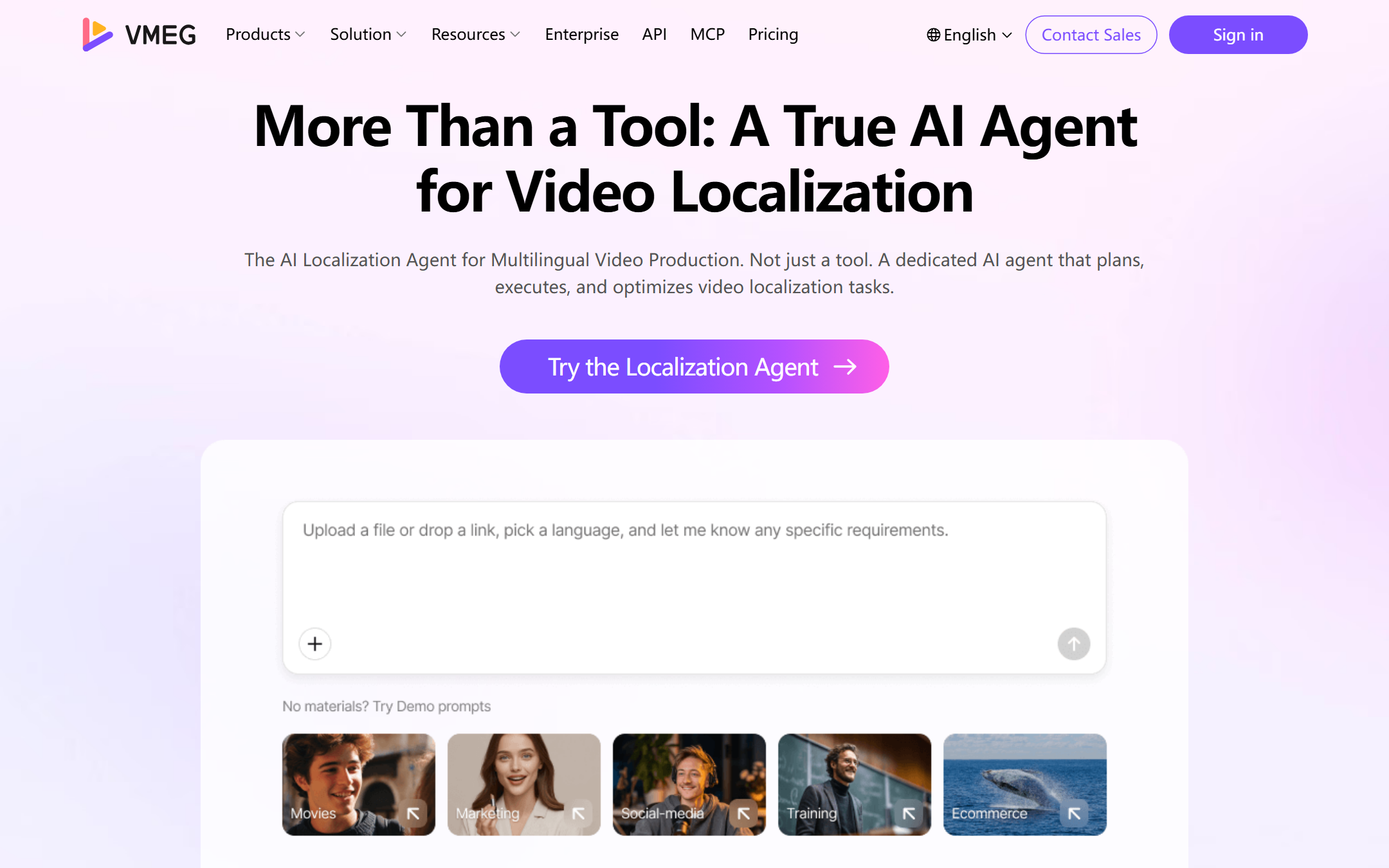
Video localization stacks subtitles, voiceover, timing, on-screen text, and cultural fit. A single ???translate??? button rarely covers that stack. VMEG???s Localization Agent treats localization as a production workflow with review points.
AI translation challenges in video localization
- Timing and sync. Subtitles and dubs must track speech and scene cuts; drift breaks comprehension.
- Context and tone. Humor, slang, and emotion need intent, not dictionary lookup.
- Multimodal inputs. Dialogue, narration, and burnt-in text often move together.
- Multi-language scale. Manual handoffs grow cost and delay when one master video fans out to many markets.
VMEG agent workflow
- Enter prompt and upload. Describe audience, languages, and quality bar; upload the file or paste a link.
- Review and approve the plan. Adjust steps, then approve.
- Preview, edit, and export. Refine wording, voices, and timing in the editor, then export.
How VMEG holds quality at scale
- Plans from stated audience, platform, and quality targets
- Autonomous multi-step execution with human approval gates
- Context retention for tone, pacing, and brand voice across languages
- Batch multi-language runs across 170+ languages and a large AI voice library
Compliance notes for video
Caption requirements, official-language rules, and platform policies belong in the plan or the QA checklist. Cultural adaptation covers expressions and visuals that would confuse or offend the target audience. Related reading: The Ultimate Guide to Video Localization in 2026 and Localization vs Translation.
Real-World Use Cases for AI Translation Agents
SaaS product localization
Agents push UI strings, docs, and release notes through glossary-aware pipelines so updates ship in several languages in the same release window.
Ecommerce catalogs
Retailers translate listings and support replies while locking specs and SKU names. Marketing variants can reuse the same termbase.
Video and social media
Teams generate subtitles, dubs, and multi-language cuts for YouTube, TikTok, and paid social. A video localization agent shortens the path from one master edit to regional versions.
Learning platforms
Course videos get transcripts, subtitles, and localized voiceovers so learners follow instruction without waiting on full human re-recording for every language.
Customer support
Integrated agents detect language, translate tickets or chat, and keep replies aligned with support macros. Chatbots inherit the same glossary.
When Should You Use an AI Translation Agent?
High-volume multilingual content
When volume outruns serial human translation, agents draft first and route only exceptions.
Regulated or compliance-sensitive industries
Use agents that expose review gates, audit logs, and term control, then keep humans on the riskiest content.
Continuous localization
Product and marketing ships weekly. Agents keep a standing pipeline instead of restarting a project for every drop.
Multimedia and video content
If the job includes speech, captions, and timing, a video-native agent reduces tool switching across ASR, dubbing, and subtitle sync.
FAQs
What is an AI agent for language translation?
A system that plans and runs translation or localization steps toward a stated goal, with optional human approval, rather than only returning a one-shot machine translation.
Which is the best AI translator?
Match the tool to the job. For end-to-end video localization (ASR, translation, dubbing, subtitles, edit, export), VMEG???s Localization Agent fits that stack. Text-only TMS needs may point elsewhere.
Can AI agents replace human translators?
No. Agents change the workload: machines draft and score; humans decide on brand, legal, and high-risk meaning. Hybrid remains the practical default for regulated or brand-critical work.
Are AI translation agents more accurate?
Accuracy depends on models, glossaries, domain fit, and review design. Run side-by-side tests on your own content before you commit a pipeline.
What is the best AI translation agent for video?
For video-first workflows, VMEG???s Localization Agent covers 170+ languages, plan approval, editing, and hybrid review in one product path.
Conclusion
AI translation agents turn localization into a planned workflow: ingest, decide, generate, score, and hand off for human review where risk sits. Video adds sync and multimodal constraints on top of text quality. VMEG???s Localization Agent applies that pattern to multilingual video with 170+ languages, human-in-the-loop gates, dubbing and subtitle sync, and a privacy-first default. Start with one master video, approve the plan, and export market-ready versions without rebuilding the pipeline each time.