English
EN

Grok Video Translator

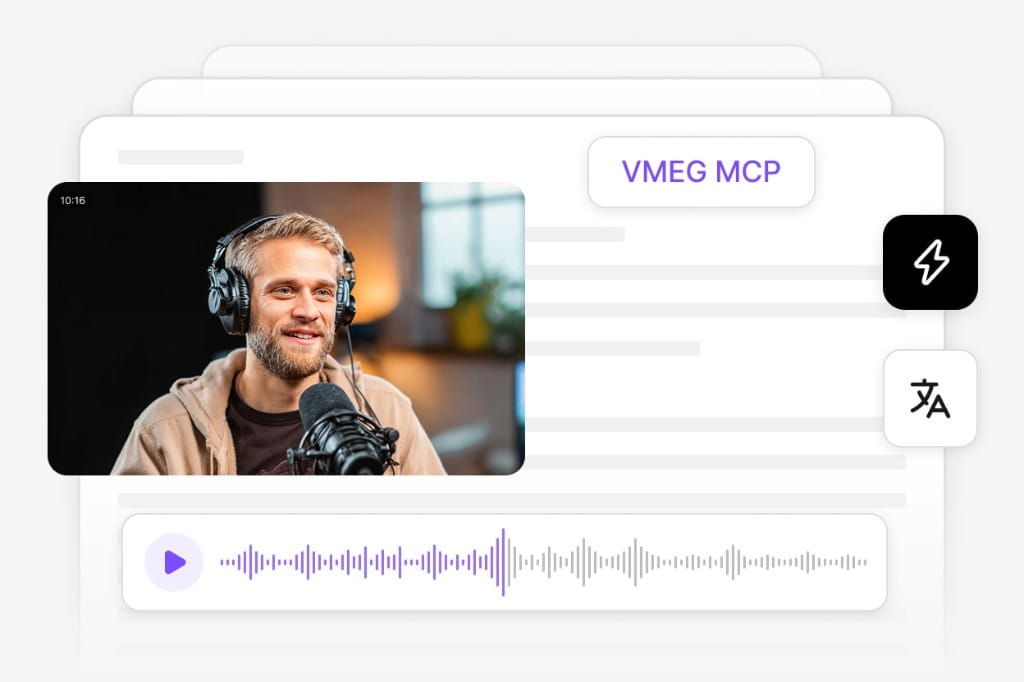
Connect VMEG to Grok to translate, dub, and localize videos in 170+ languages from inside xAI's assistant. Use VMEG through the Grok MCP directory or the VMEG Remote MCP server to add AI-powered video translation directly to your Grok chats.

What Is a Grok Video Translator?

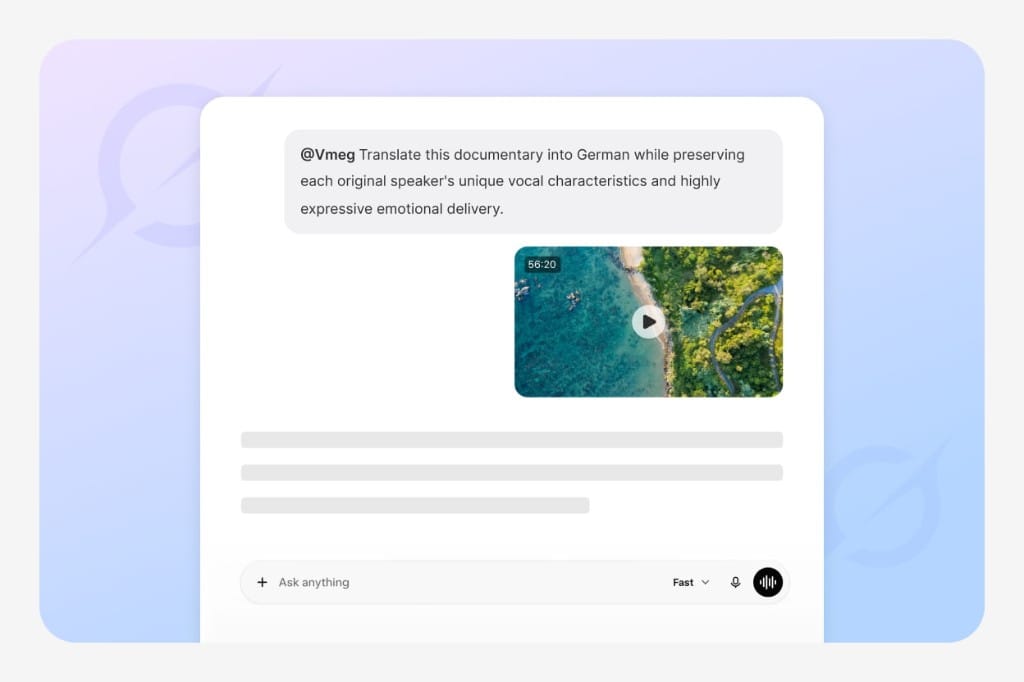
A Grok video translator is a workflow that pairs xAI's Grok assistant with a video translation engine. You add VMEG as an MCP connector to Grok, and the assistant can take a video file or link, hand it off to VMEG for translation and dubbing, then return the localized output — all from the same Grok chat.

Grok is a text-and-conversation assistant. It does not decode the audio in an MP4 on its own. To translate a video "with Grok," you connect it to a tool that handles the media pipeline. VMEG is that tool. Once connected through Grok's MCP directory or via the VMEG Remote MCP endpoint, Grok can:

  • Receive a video file or YouTube link in chat
  • Hand it off to VMEG's translation engine
  • Wait for the translated, dubbed, and lip-synced output
  • Return the finished file to you in the same conversation

Grok handles the conversation and follow-up edits. VMEG does the actual video processing.
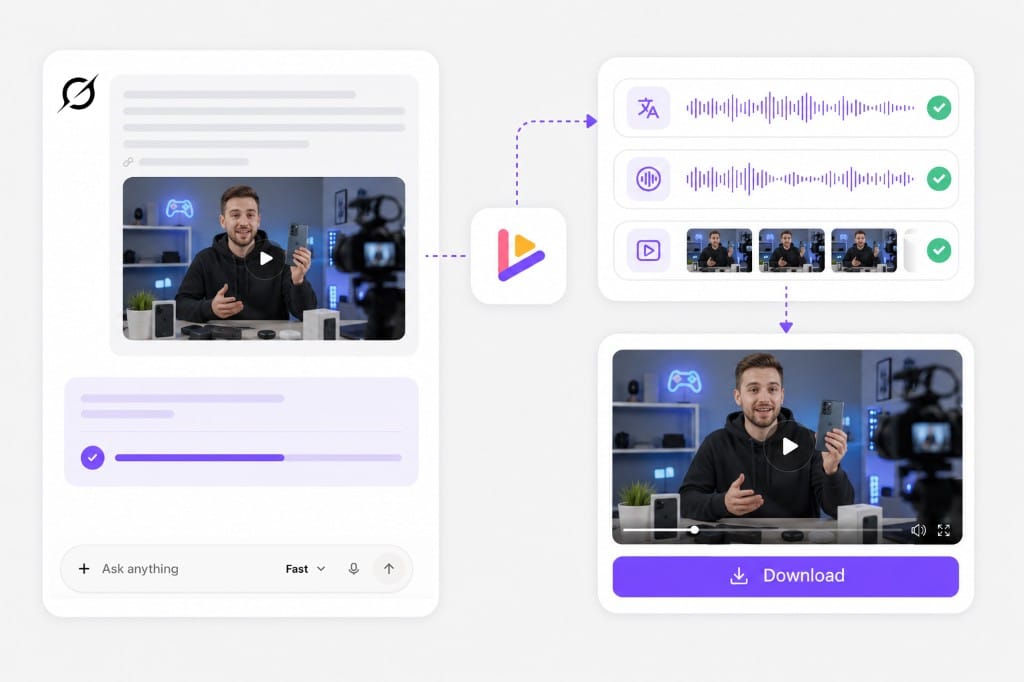
Grok connected to VMEG video translation workflow

How to Translate a Video with Grok (Step by Step)

You have two ways to get started.

Option 1

Option 1 — Add VMEG through the Grok MCP directory (easiest)

Connectors

upload

Dubbing

1. Open Grok and go to Settings → MCP (or Tools → MCP Directory).

2. Search for VMEG in the MCP Directory.

3. Select VMEG and click Add or Install.

4. Sign in to your VMEG account and authorize the connection.

5. Once connected, VMEG is available to use in your Grok chats.

Open Grok → Settings → Connectors

Option 2

Option 2 — Manual MCP setup (works today)

API key

Enter link

Dubbing

1. Open Grok → Settings → MCP and choose Add Custom MCP Server.

2. Enter the VMEG MCP endpoint: https://www.vmeg.ai/api/mcp.

3. Authenticate using your VMEG API Key (Bearer token) or OAuth, depending on your setup.

4. Save the configuration and refresh/restart Grok if necessary.

5. Verify that VMEG appears in your available MCP tools and start translating videos.

Full instructions

Why Use VMEG as Your Grok Video Translator

Real video translation, not just transcripts

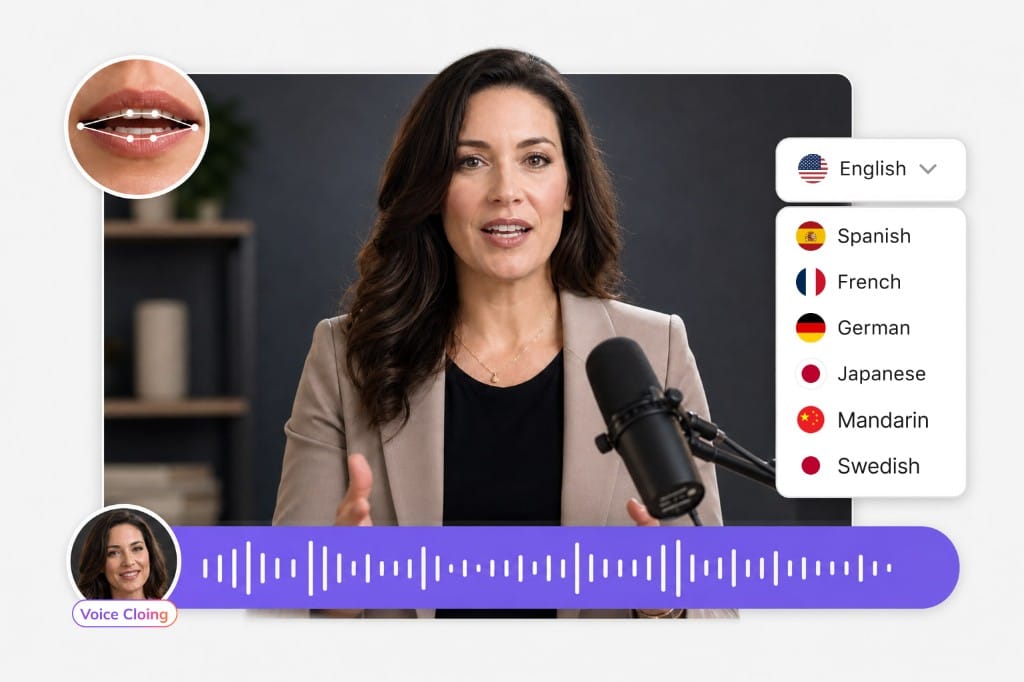
VMEG re-dubs the audio and aligns the lips. Most "video translators" only return SRT files.

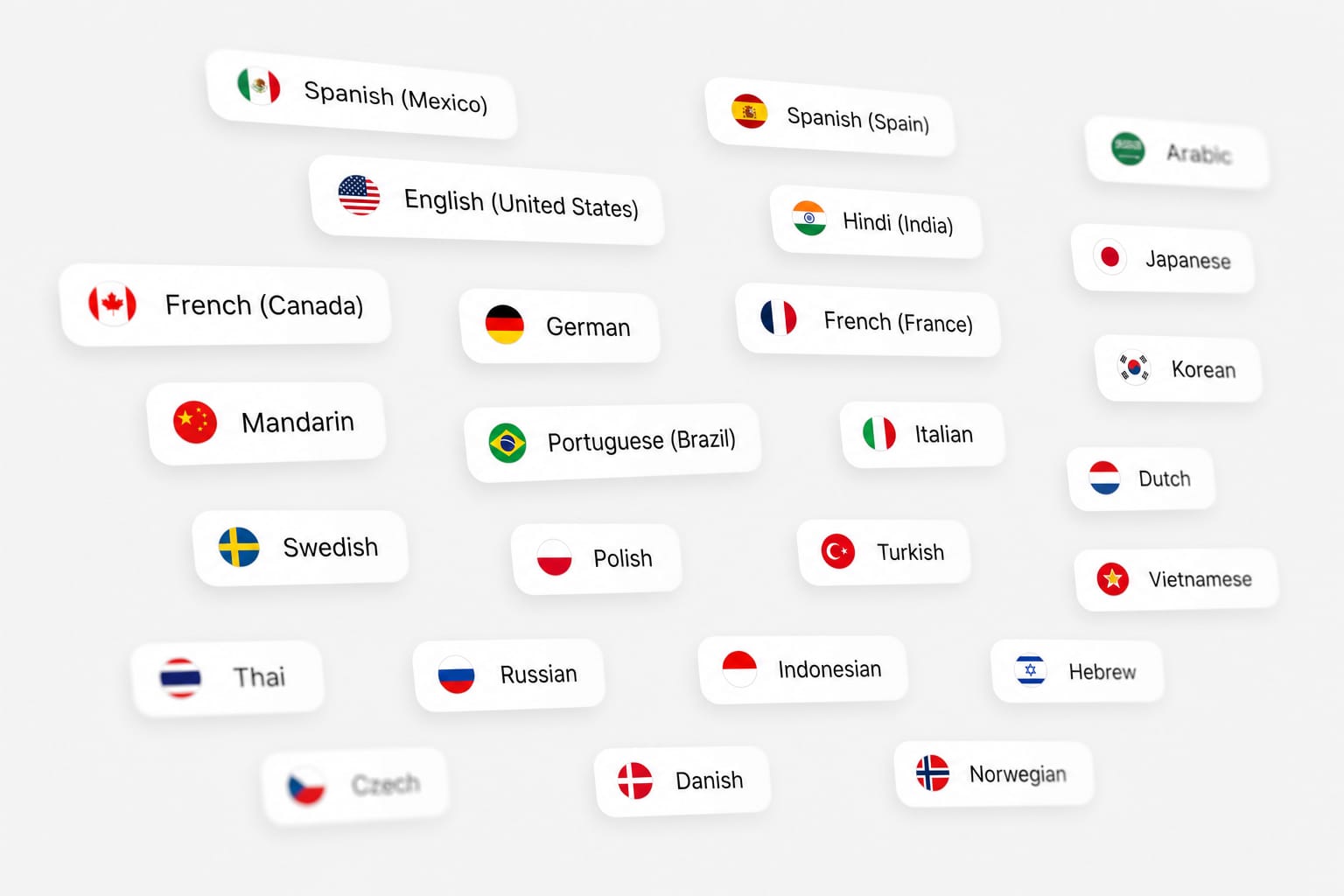
170+ languages, native-quality voices

Voice cloning preserves the original speaker across languages.

Stays inside Grok

No new tab, no upload portal. The translated video returns to your chat.

Your existing VMEG credits, no extra fee

MCP usage draws from the same VMEG plan you already pay for.

Contact sales

What You Can Translate with Grok + VMEG

One secure platform for professional AI dubbing pipeline

Media type
Video file
Audio file
YouTube link
Subtitle file
Supported inputs
MP4, MOV, WEBM, MKV
MP3, WAV, M4A
Any public YouTube URL
SRT, VTT
Output
Translated + dubbed video with optional lip-sync
Translated audio in target language
Translated + dubbed video
Translated subtitles in target language

170+ target languages

**Voice cloning** to keep the original speaker's tone

Lip-sync

for translated mouth movement

Speaker detection

with auto-labeled multi-speaker output

Subtitle generation

burned-in or exportable SRT/VTT

Full instructions

Common Use Cases

Creators on X

Take a viral English clip, translate it into Spanish/Mandarin/Hindi, and re-post for a global audience the same day.

News & commentary accounts

Localize a long-form interview into multiple languages for international followers.

Marketers

Localize product demo videos for regional X ad campaigns.

Frequently

Asked

Questions

Can Grok translate a video by itself?

No. Grok is a text-and-conversation model. To translate the actual audio in a video file, connect Grok to a video translation engine through MCP. VMEG is that engine.

Do I need a paid Grok plan?

MCP and connector features are available on paid Grok tiers (Premium, Premium+). VMEG itself has a free tier; production usage draws on VMEG plan credits.

How long does a 5-minute video take?

Usually 5–15 minutes, depending on language pair and whether lip-sync is enabled.

Can I keep the original speaker's voice?

Yes. VMEG's voice cloning preserves the original speaker's tone, pacing, and timbre in the target language. You can also pick from 100+ stock voices.

Does the output come back with lip-sync?

Yes, lip-sync is on by default for video outputs. You can disable it in the task settings for faster rendering.

What languages are supported?

170+ languages including Spanish, French, German, Mandarin, Japanese, Korean, Arabic, Hindi, Portuguese, Russian, Italian, Dutch, and more. Full list at https://www.vmeg.ai/.

Is my video uploaded to xAI?

Files are processed by VMEG through an encrypted MCP channel. You retain ownership of your content. See VMEG's privacy policy for details.

Can I translate a YouTube link?

Yes. Paste the YouTube URL in the chat and ask Grok to translate it with VMEG. VMEG fetches the source, translates it, and returns the dubbed video.

What if the Grok connector listing isn't available yet?

Use the manual MCP setup above. The VMEG Remote MCP endpoint is agent-agnostic and works with any MCP-compatible client today. The native Grok connector is rolling out this week.