

Key Takeaways: What You Need to Know
- Consent is a Key Safeguard: Obtain clear, documented permission before cloning an identifiable person’s voice. Consent should state the intended use, territory, duration, editing rights, and whether commercial distribution is allowed.
- Context Determines Risk: Risk depends on the jurisdiction, whether a person is identifiable, the purpose, audience, contracts, privacy obligations, and how the output is shared. Commercial, political, financial, and deceptive uses require particular care.
- Disclosure Can Be Required: Rules differ by jurisdiction. Where synthetic audio could mislead people, clear disclosure and applicable content-labeling measures may be required.
- Use a Licensed Voice Option When Appropriate: A voice library can reduce the risk of imitating a specific real person, but it does not replace legal review of your project, platform rules, or applicable law.
What is Voice Cloning?
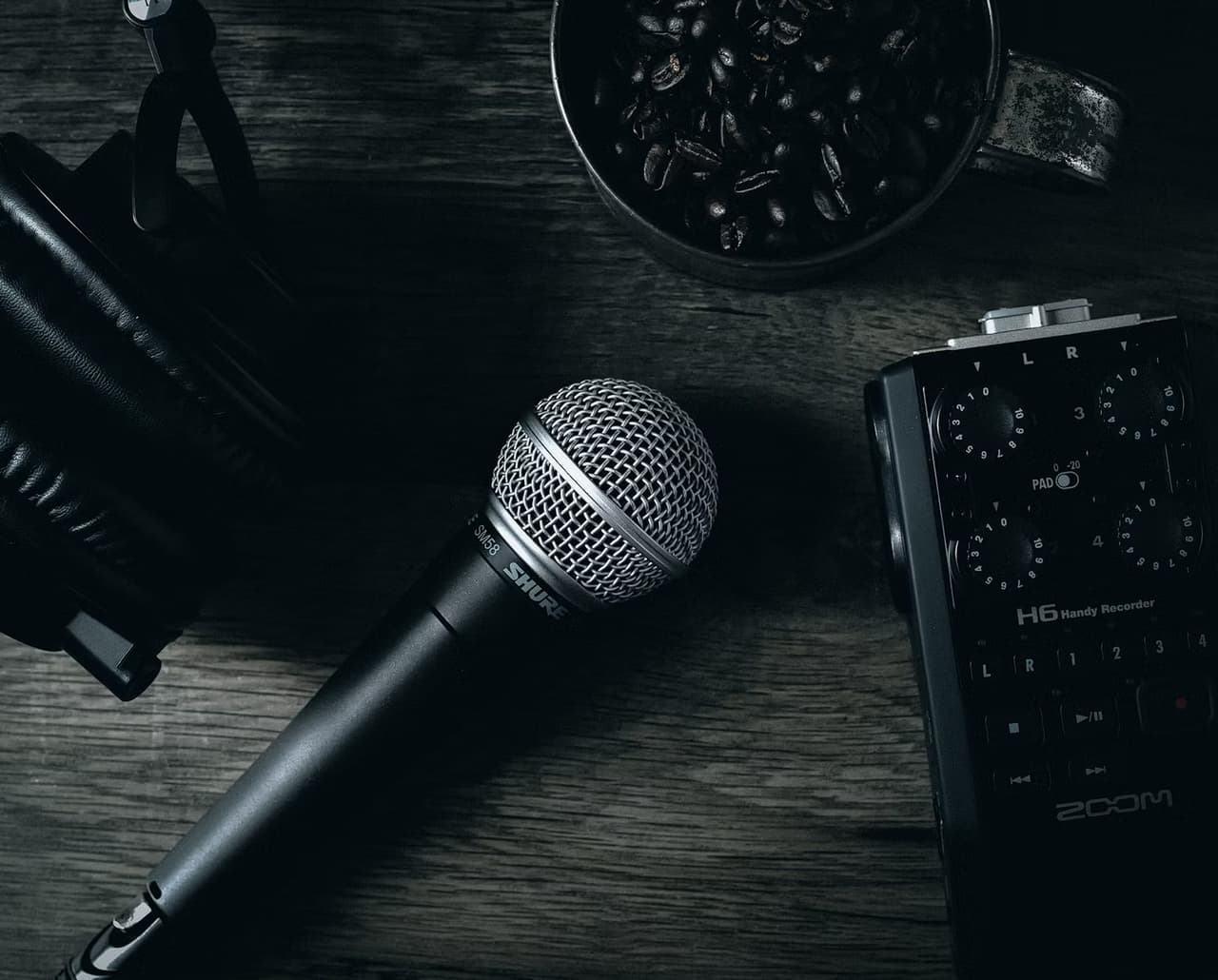
Voice cloning is an AI technology that uses algorithms (often deep learning with text-to-speech models) to mimic a person’s real voice after analyzing a small audio sample.
Common Legitimate Applications:
- Video Localization: Translating and dubbing videos into 170+ languages while retaining the original voice tone, a core strength of VMEG AI Video Translator.
- Accessibility: Creating personalized screen-reader voices for individuals who have lost their ability to speak.
- Entertainment: Professional recording for games, animation, and film dubbing.
- Customer Service: Creating a consistent brand voice for virtual assistants.
The Three Core Legal Pillars
Consent & Privacy
A voice recording may be personal data. It can become biometric data when it is processed using specific technology to uniquely identify a person; not every recording is automatically biometric data.
- Data and Personality Rights: Depending on the jurisdiction and processing activity, voice data may trigger privacy, data-protection, publicity, or personality-rights obligations. In the United States, protections for unauthorized digital replicas remain a mix of state law and other legal frameworks.
- The "Right of Publicity": Many states protect your identity from commercial exploitation. The Electronic Frontier Foundation (EFF) advocates for protections against unauthorized AI replicas.
- Legal Precedent: The 2024 legal dispute between Scarlett Johansson and OpenAI over the "Sky" voice highlighted that even "sound-alikes" can violate personality rights.
Purpose & Risk
- Private and Commercial Uses: Private use is not automatically lawful. Commercial distribution, advertising, monetized content, and brand representation can create additional contractual, privacy, consumer-protection, and publicity-rights risk.
- Deception and Harm: Fabricated recordings used to mislead, defraud, or harm a person’s reputation can create civil, regulatory, or—in some circumstances—criminal consequences.
- Parody and Commentary: Speech and expressive-work protections can be relevant in some jurisdictions, but they are fact-specific and should not be treated as a blanket permission to clone an identifiable voice.
Jurisdiction & Global Laws
- EU: The EU AI Act includes transparency obligations for certain synthetic outputs and for deployers of audio, image, or video deepfakes. Requirements and implementation dates vary, so verify the current rules for your role and use case.
- United States: There is no single nationwide answer for every voice-cloning use. State publicity/privacy rules, contracts, consumer-protection law, and anti-fraud rules can all matter; for example, Tennessee has specific protections for voice against certain AI misuse.
- China: China’s Deep Synthesis Provisions address services that generate or edit biometric information such as voices, including consent and content-labeling obligations in applicable cases.
Legality and Ethical Considerations in Voice Cloning
Voice cloning is generally lower risk when:
- You have clear, documented authorization that covers the intended use.
- You are using your own voice and no employment, performer, recording, or platform terms restrict the use.
- You provide appropriate disclosure and preserve records of permission and review.
Voice cloning is generally high risk when:
- It is used to deceive, defraud, impersonate, or falsely imply endorsement.
- It is used in sensitive political, financial, health, or emergency contexts without strong safeguards.
- It conflicts with a talent agreement, non-disclosure agreement, privacy obligation, or applicable law.
How to Stay Compliant: 4 Golden Rules
- Get Written Consent: Always secure a signed contract or digital agreement from the voice owner.
- Disclose AI Usage: Clearly inform audiences that "This voice is AI-generated" to meet transparency laws.
- Use Provenance Measures Where Available: Watermarks, metadata, and provenance standards such as C2PA can support transparency, but they are not a substitute for consent, disclosure, or legal review.
- Avoid High-Risk Contexts: Do not use cloned voices for sensitive political or financial content.
A Safe Alternative: Using the VMEG AI Voice Library
If you do not have permission to clone a specific person, choosing a voice from VMEG AI’s voice library may reduce the risk of imitating that person. You remain responsible for confirming that your intended use complies with applicable law, contracts, and platform rules.
The VMEG AI Voice Library provides:
- Voice Library: VMEG AI provides access to 17,000+ AI voices across 170+ languages.
- Workflow Control: Review the selected voice and output in the context of your project before publishing.
- Important Boundary: A voice-library choice does not itself guarantee that every use is lawful; confirm your rights, disclosures, and audience requirements.
How to Use VMEG AI to Make Voice Cloning
Step 1. Sign in to VMEG AI: Create an account and navigate to the "AI Video Translator"
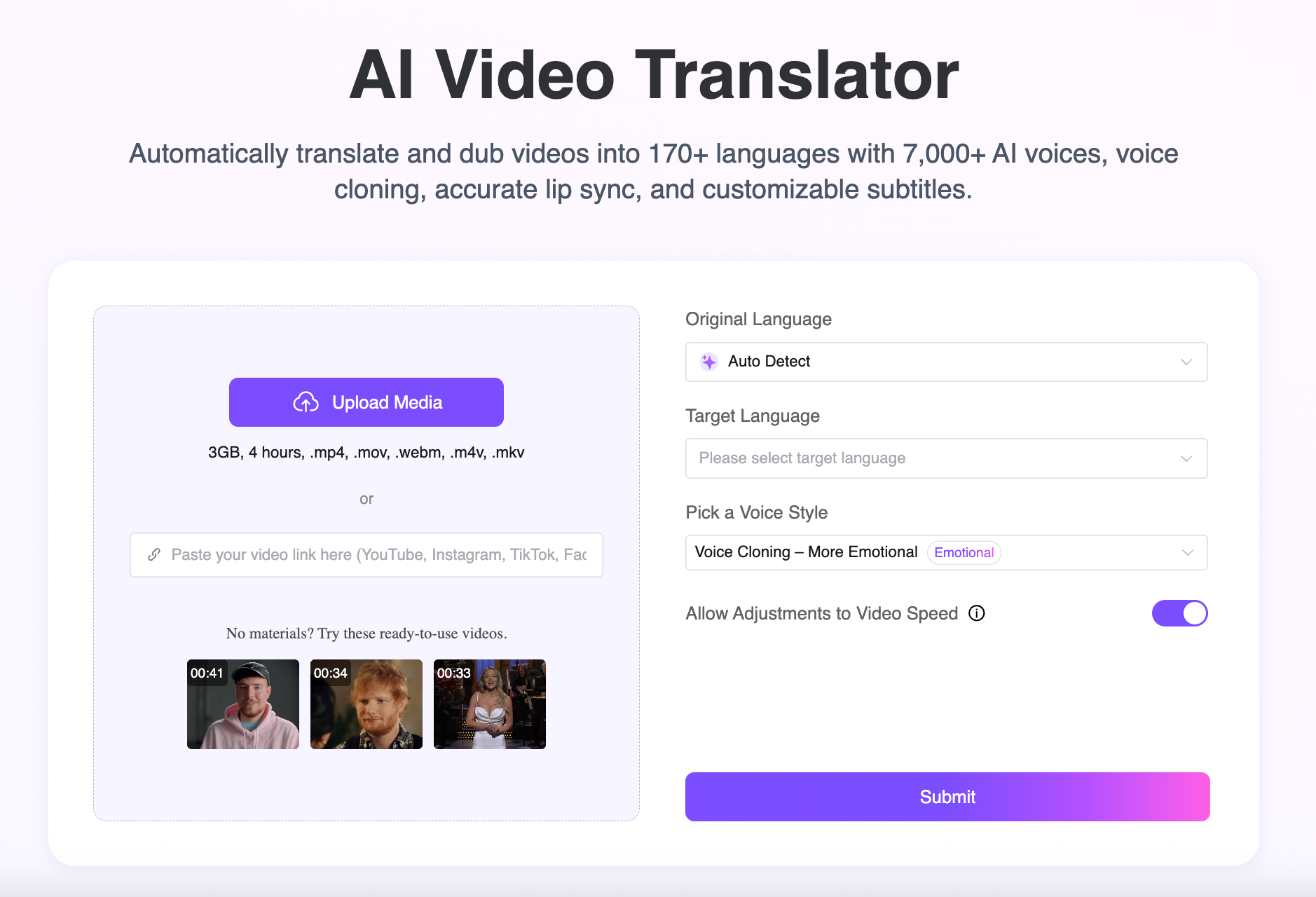
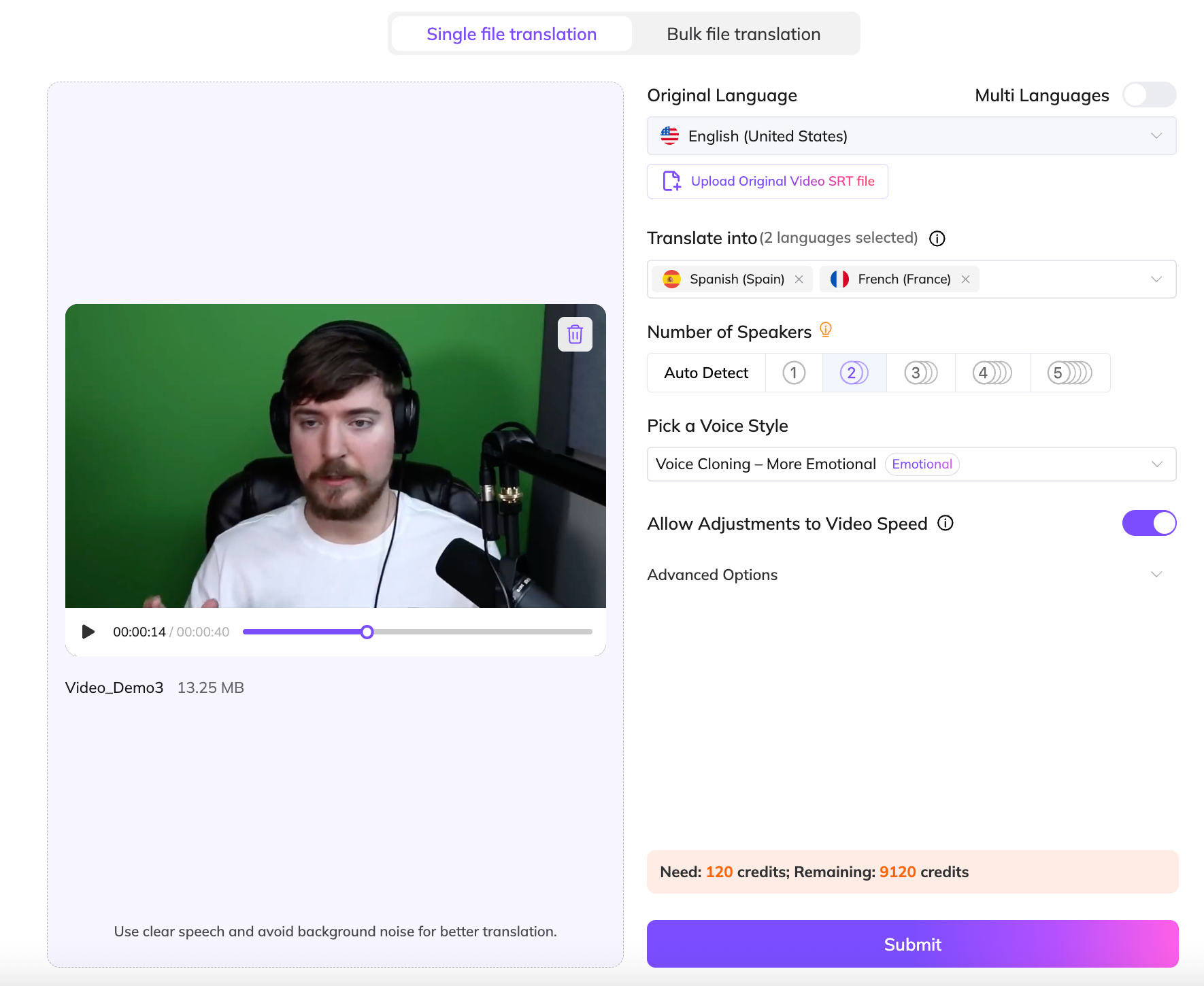
Step 2. Set language and output preferences
Choose from 170+ languages and 17,000+ voice styles. You can also adjust pitch, speed, tone, and emphasis to match your project needs.
Step 3. Input or upload your script
Paste the text you want the cloned voice to speak, or upload a script file. For video dubbing, you can import your video and sync the audio automatically.
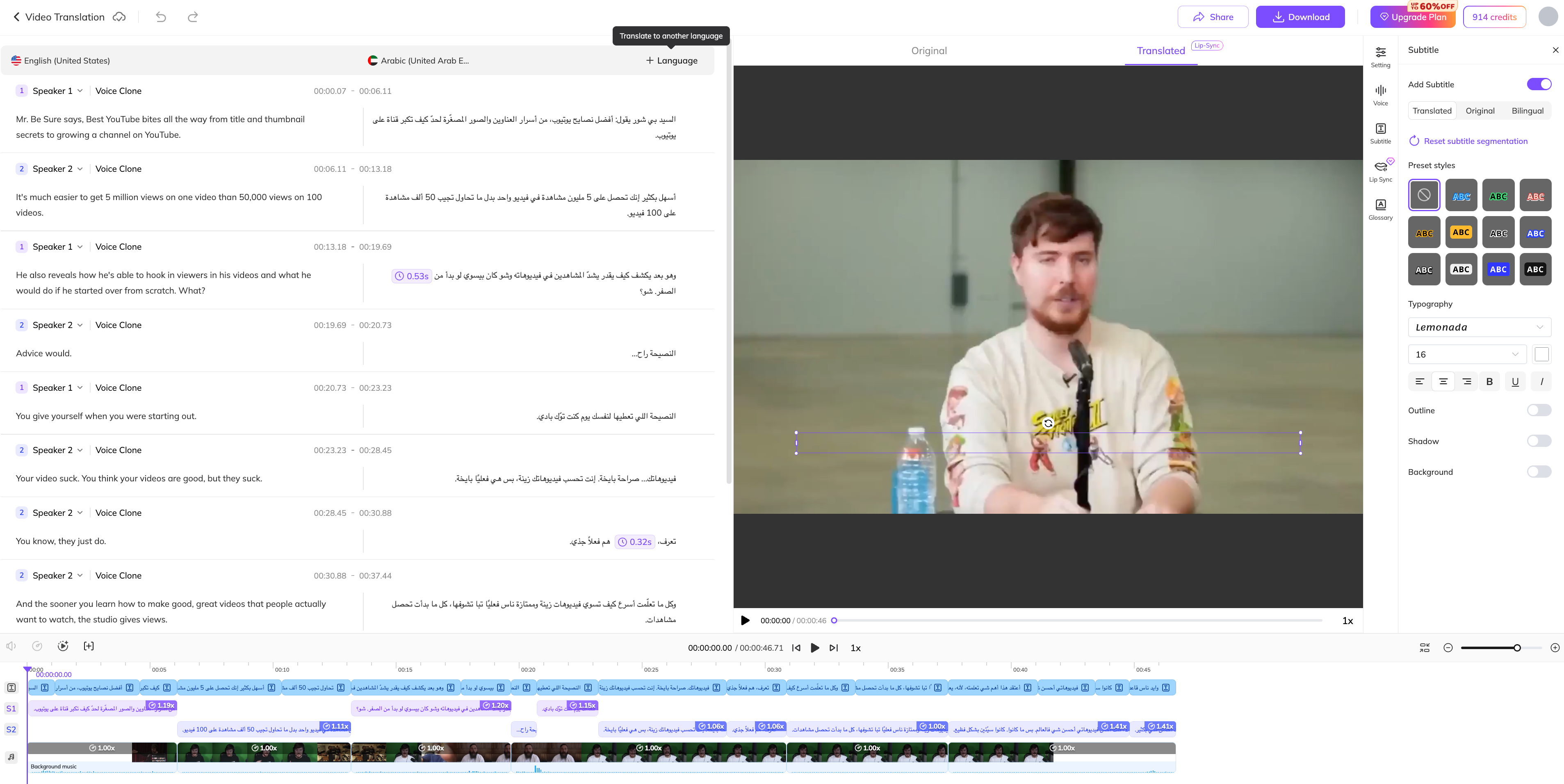
Step 4. Review and edit
Use VMEG AI’s built-in editor to check lip-sync alignment, audio clarity, and overall pacing. Make adjustments as needed for natural delivery.
Step 5. Export your final project
Once satisfied, export the audio or dubbed video in your preferred format. Before publishing, complete your project review and retain any relevant permissions or approvals.
FAQs
Is it illegal to clone voices without consent?
Yes. Voice cloning without obtaining explicit permission is a clear violation of privacy. Individuals have a legal right to control how their likeness and voice are used. Unauthorized use for commercial purposes, malicious pranks, or harming someone's reputation can lead to serious legal claims and regulatory fines.
Is using AI voice technology legal for commercial projects?
Yes, but with conditions. You typically need explicit, documented permission when using AI to replicate or closely mimic an identifiable person's voice for ads, paid content, or brand representation.This requirement stems from "personality rights" and "publicity rights" that vary by jurisdiction.
Can I legally clone a celebrity’s voice for my social media content?
Legally, no. You cannot clone a celebrity’s voice without their explicit permission. Celebrities are protected by “right of publicity” laws, which give them exclusive control over the commercial and public use of their identity and voice.
What exactly does ‘Right of Publicity’ mean in the context of AI?
The Right of Publicity protects an individual’s right to control the commercial use of their name, image, and voice. In the age of AI, this means a cloned voice cannot be used in advertisements, products, or public projects without consent. It is a legal safeguard to prevent unauthorized identity theft.
What should I do if I don’t have permission to use a specific person's voice?
If you lack permission, the safest and best option is to use a pre-licensed voice from the VMEG voice library. We offer over 17,000+ high-quality, pre-approved AI voices that can be used for any project without legal stress. You can even modify these voices (pitch, speed, tone) to create a unique sound for your brand.
Is it legal to clone my own voice?
Absolutely. This is the safest and most compliant way to use VMEG. Cloning your own voice allows you to create content in multiple languages (170+) while maintaining your unique personal brand without any legal risk.
VMEG Video Audio Translator
VMEG AI supports voice cloning and a voice library for video localization workflows. Review generated speech, pronunciation, timing, and any required disclosure before publishing.