15+ Ways to Make Money with AI Video in 2026
Video content is no longer limited by language or geography. A creator who makes videos in English can now reach viewers in Brazil, India, Spain, and dozens of other markets without recording every version from scratch.
AI video tools are making this process more accessible. From translating existing videos and creating multilingual YouTube channels to producing educational content and offering video localization services, creators have more ways to turn video content into income.
The opportunity is backed by real market growth. According to the Interactive Advertising Bureau (IAB), U.S. marketing and advertising spending in the creator economy was projected to reach $37 billion in 2025, representing 26% year-over-year growth. Brands are investing more in creators because video and social content have become important parts of their marketing strategies.
At the same time, the demand for multilingual content is growing. YouTube reported in September 2025 that creators using multi-language audio tracks received more than 25% of their watch time from viewers watching in a language other than the video's primary language.
So, how can you turn AI video into a source of income?
Here are 15 practical ways to make money with AI video in 2026, including opportunities for beginners, experienced creators, and people looking to build a video-based business.
Why Is AI Video a Growing Money-Making Opportunity?
Before exploring individual business ideas, it helps to understand why video creation and localization are attracting so much attention.
The creator's economy is attracting more advertising investment
The creator economy has become an important part of digital marketing. Brands no longer rely only on traditional advertising. They are working with YouTubers, TikTok creators, influencers, and niche content publishers to reach specific audiences.
The IAB's 2025 Creator Economy Ad Spend & Strategy Report projected that U.S. Creator economy advertising spending would reach $37 billion in 2025, up 26% from the previous year.
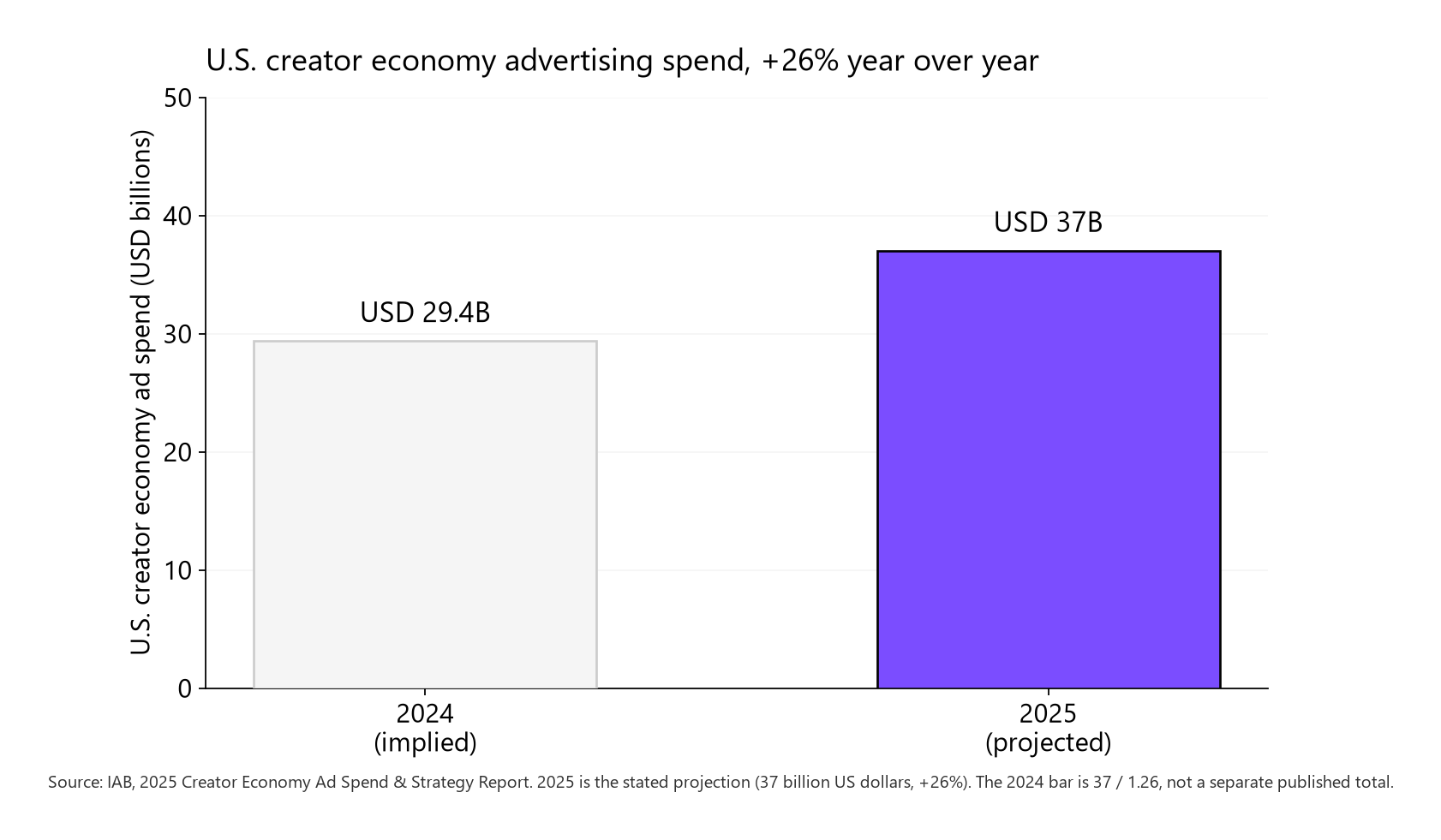
For creators, this means more potential opportunities to earn through sponsored videos, product placements, affiliate partnerships, and brand collaborations.
Multilingual videos can reach audiences beyond your home market
A video that performs well in one language may also appeal to viewers in other countries.
For example, an English-language tutorial about a popular AI tool could attract viewers in Brazil, Mexico, India, and Spain. A cooking video, gaming tutorial, or travel guide may have similar international appeal.
YouTube has already demonstrated the value of multilingual content. In its September 2025 announcement, the platform reported that creators using multi-language audio tracks received over 25% of their watch time from views in non-primary languages, based on data from July 2025.
The same announcement highlighted that Jamie Oliver's channel saw its views increase threefold after adopting multi-language audio.
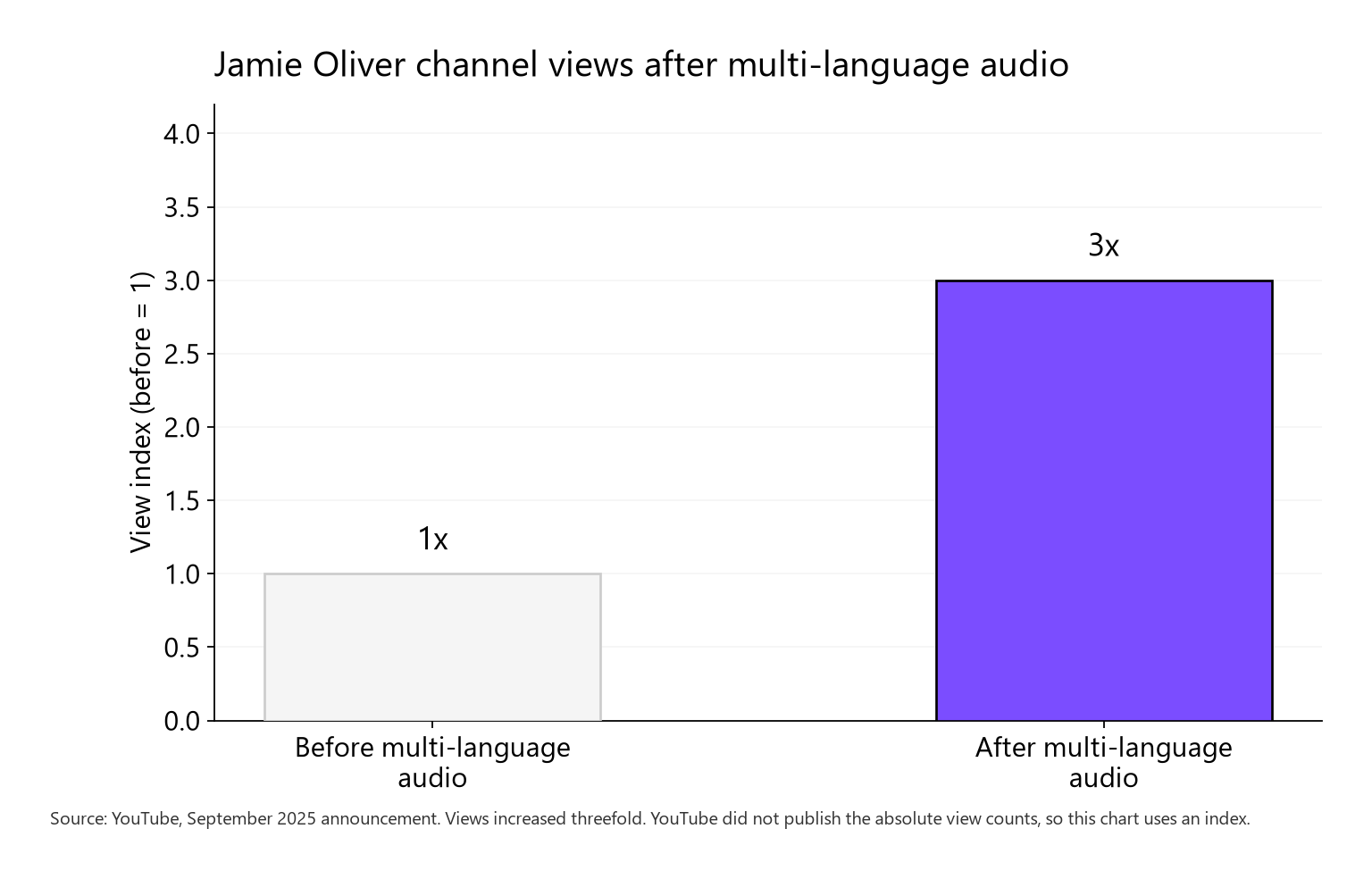
These results don't guarantee the same growth for every channel, but they show that language localization can help creators reach audiences they might otherwise miss.
Short-form entertainment is becoming a major business
Short videos are not just a way to attract attention. They have developed into a business model of their own.
According to Omdia's October 2025 research, global microdrama revenue was projected to reach $11 billion in 2025. More than 60% of that revenue was expected to come from subscriptions and transactional payments.
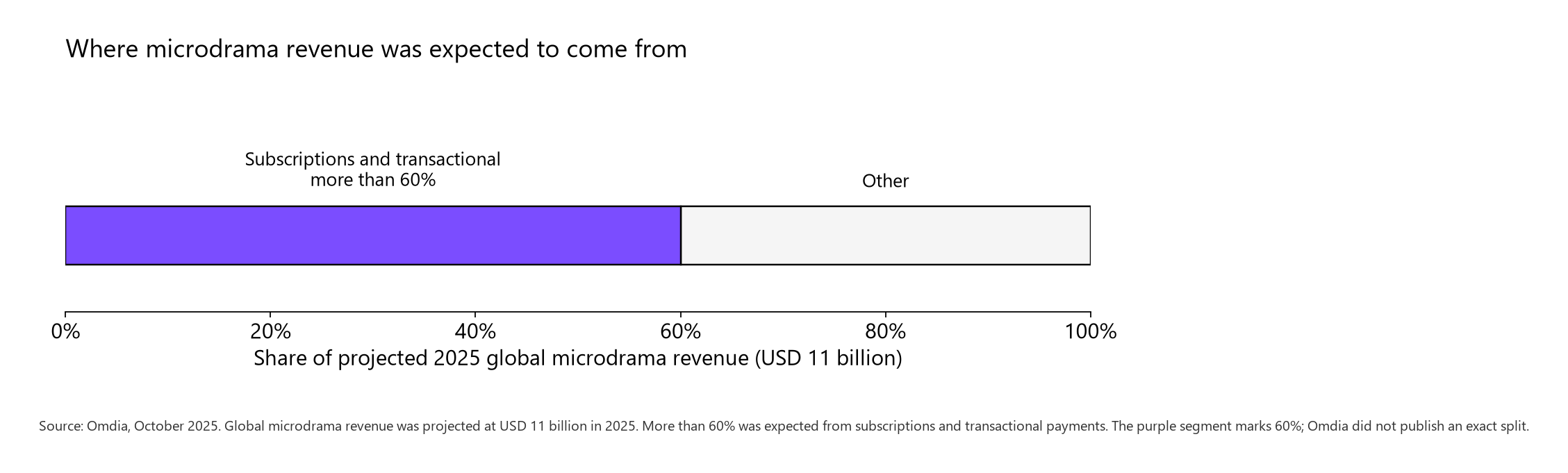
This shows that audiences are willing to pay for short-form entertainment, especially when the content keeps them engaged from one episode to the next.
Together, these trends create opportunities for creators who know how to produce, localize, and distribute video content.
15+ Ways to Make Money with AI Video in 2026
Not every opportunity requires a large audience or an expensive production setup. Some creators earn through platform monetization, while others build businesses around video services, affiliate marketing, and digital products.
Here are 15 ideas worth exploring.
Build Multilingual Viral Video Channels
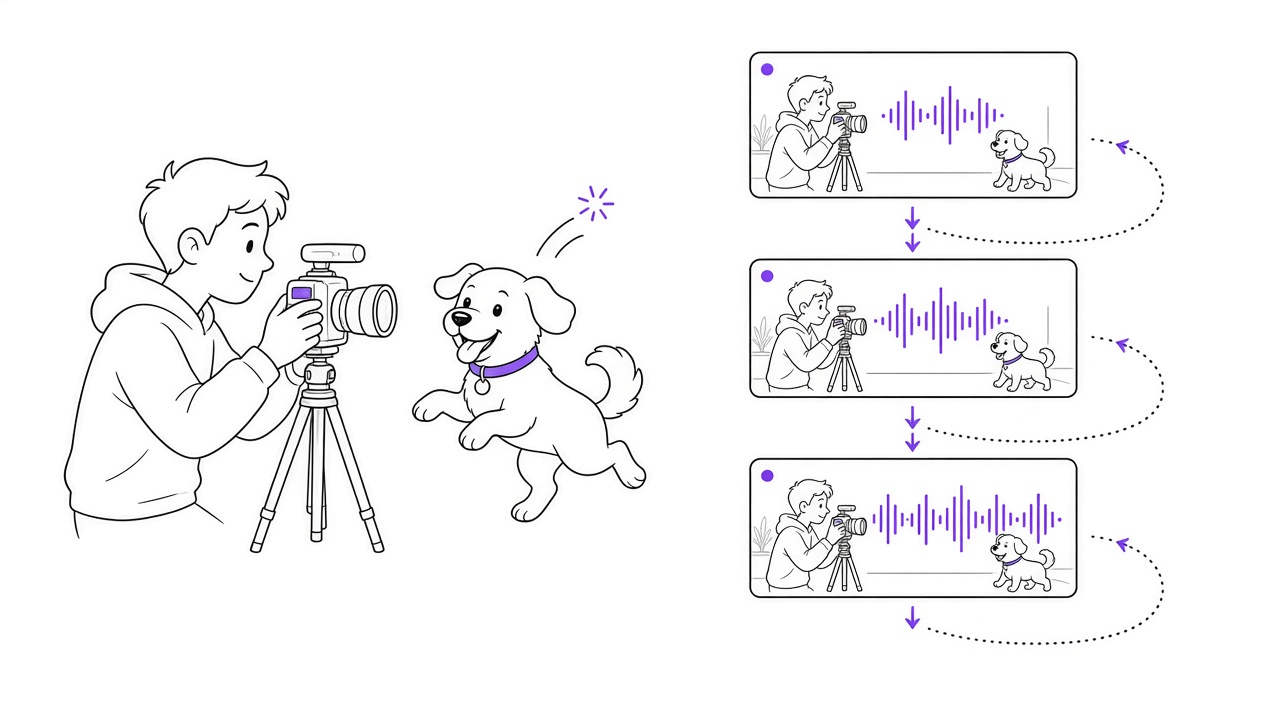
One of the most accessible ways to make money with AI video is to build channels around popular entertainment niches.
Think about content such as:
- Funny pet videos and animal moments
- Meme-based comedy and relatable situations
- Comedy sketches and fictional characters
- Priest-themed humor and storytelling
- Interesting facts and surprising discoveries
- Emotional stories and everyday life moments
These topics can attract viewers across different countries because their appeal is not always tied to a particular language.
For example, a creator could produce original pet videos with English narration, then create Portuguese, Spanish, and Hindi versions for different audiences.
The same approach can work for comedy sketches or meme-based storytelling. The key is to adapt the jokes, references, captions, and narration so they make sense to viewers in each market.
How to make money:
- YouTube Partner Program revenue
- TikTok Creator Rewards, where available
- Brand sponsorships
- Affiliate marketing
- Merchandise and other creator products
Where AI video helps:
VMEG AI can translate video content, generate multilingual dubbing, and create subtitles in different languages. This makes it easier to prepare localized versions without recording every language manually.
One important consideration: creators should use original footage or properly licensed material. Simply downloading viral clips from other accounts and translating them does not automatically make the content eligible for monetization.
Translate Chinese and Korean Microdramas for Global Audiences

Microdramas are one of the most interesting opportunities in the video entertainment market.
These short scripted series often feature romance, revenge, family conflicts, fantasy, and dramatic plot twists. Each episode is designed to keep viewers watching the next one.
Chinese and Korean productions have already developed large audiences, and there is growing interest in bringing this type of entertainment to international viewers.
Omdia projected that the global microdrama market would generate $11 billion in revenue in 2025. Its research also found that China accounted for approximately 83% of the market, with the United States leading markets outside China.
This creates opportunities for producers, distributors, and licensed content owners looking to reach new audiences.
For example, a Chinese microdrama could be localized into:
- English for the United States and other English-speaking markets
- Portuguese for Brazil
- Spanish for Latin America and Spain
- Hindi for Indian audiences
- Arabic for audiences across the Middle East
Creators and distribution partners can test different language markets to identify where a particular story performs best.
How to make money:
- Revenue sharing with licensed content owners
- YouTube advertising revenue
- TikTok monetization, where eligible
- Licensing and distribution agreements
- Paid subscriptions and premium episode access
Where AI video helps:
AI video translation and dubbing can reduce the time and cost involved in preparing multiple language versions. VMEG AI can help translate dialogue, generate dubbed audio, and create subtitles for localized drama content.
For production companies and distributors, this can make international content distribution easier to manage.
Always secure the necessary translation, dubbing, distribution, and monetization rights before publishing someone else's drama.
Turn Existing Videos into a Multilingual YouTube Channel
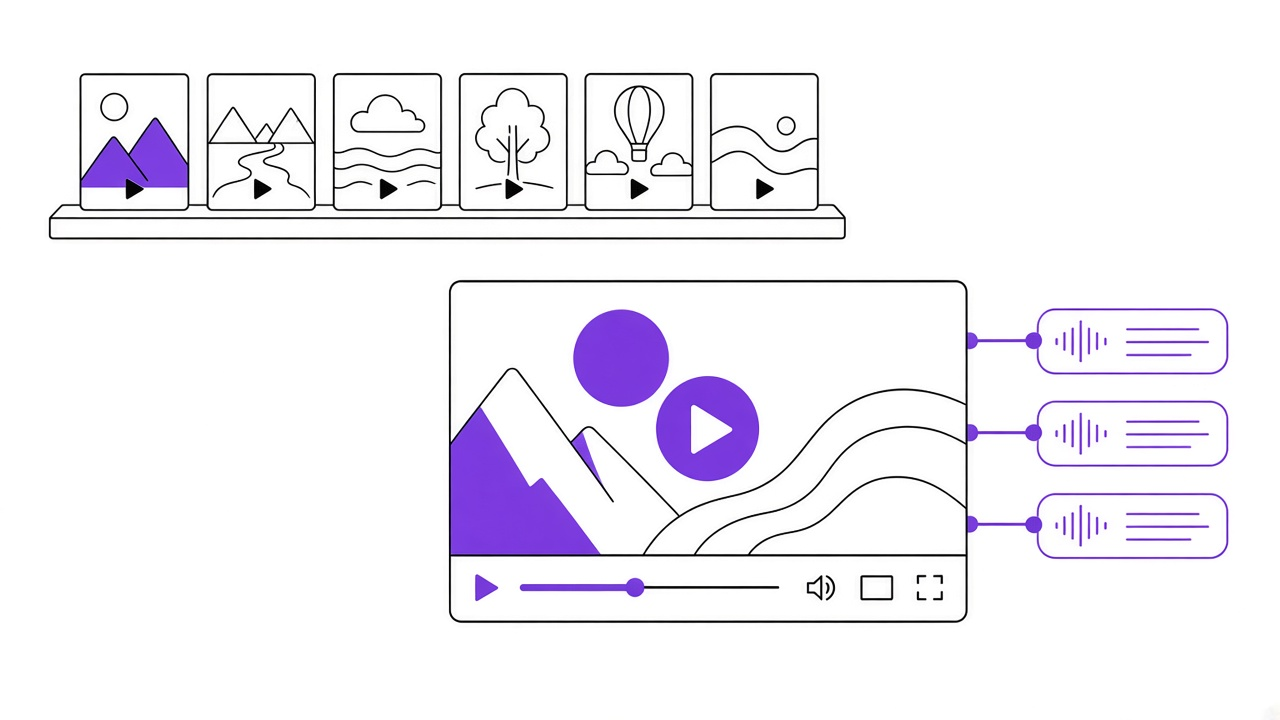
You don't always need to start a new channel to reach international audiences.
If you already have a YouTube channel with a library of videos, you can use AI dubbing to make that content available in additional languages.
For example, imagine you have 100 English-language videos about technology, business, or lifestyle. Instead of producing another 100 videos, you can start by translating your best-performing content into Spanish or Portuguese.
YouTube supports multi-language audio tracks, allowing creators to upload different language versions to a single video. It also supports translated titles and descriptions to help videos appear in relevant language searches.
This can be particularly useful for creators who want to expand their existing audience without managing several separate channels.
How to make money:
- YouTube advertising revenue
- Channel memberships
- Sponsored content
- Affiliate links
- Digital product sales
Where AI video helps:
Use VMEG AI to translate existing videos and prepare dubbed audio tracks. You can then upload the localized audio to supported YouTube videos or use it to create other localized versions.
YouTube recommends focusing on one or two additional languages first, reviewing performance in Analytics, and expanding based on actual audience demand.
Create and Sell Online Courses in Multiple Languages
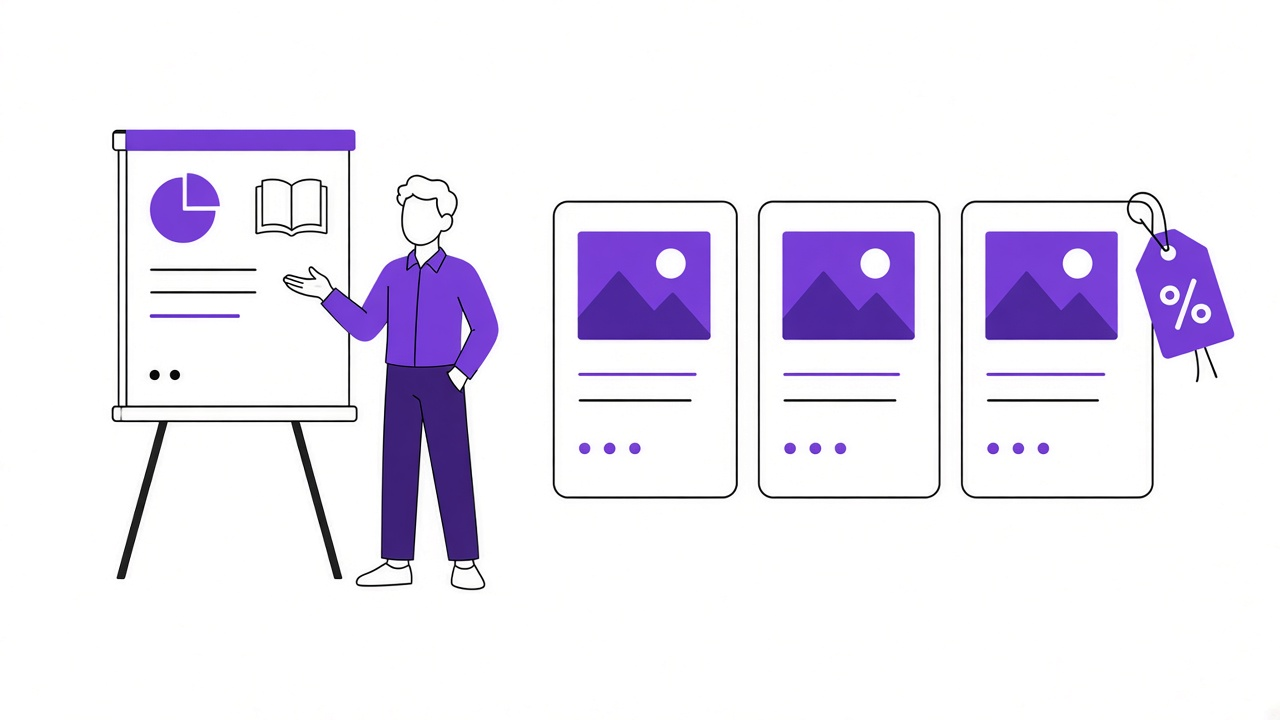
Online education is another promising way to monetize video content.
If you have expertise in a particular subject, you can create video courses and sell them to students around the world.
Popular topics include:
- Graphic design and video editing
- Programming and software development
- Digital marketing and SEO
- Business and entrepreneurship
- Language learning
- Photography and creative skills
- AI tools and productivity
However, a course created in English may not reach students who prefer learning in Portuguese, Spanish, Hindi, or other languages.
Translating your course videos allows you to serve more students without recording every lesson again.
For example, an English-language course about Excel or digital marketing could be localized into several languages and sold through platforms such as Udemy, Skillshare, or your own website.
How to make money:
- One-time course purchases
- Monthly subscriptions
- Premium learning communities
- Downloadable learning materials
- Corporate training packages
Where AI video helps:
AI video translation can help educators localize existing lessons, while AI dubbing makes the course easier to follow for students who prefer listening in their native language.
Start a Multilingual Gaming Channel
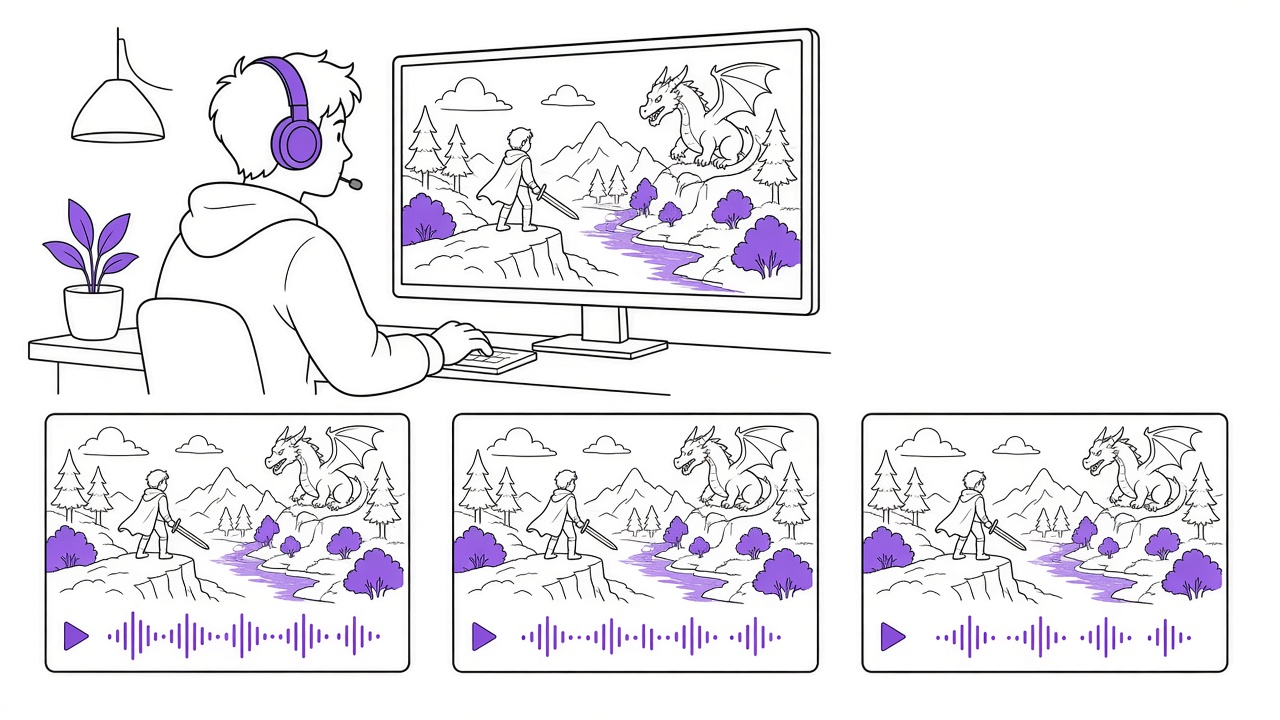
Gaming has an international audience, which makes it a natural fit for multilingual video content.
You can create content around:
- Game tutorials and walkthroughs
- Gameplay highlights
- Game reviews
- Gaming news and updates
- Strategy guides
- Esports commentary
- Gaming stories and explanations
A tutorial recorded in English could be localized into Spanish, Portuguese, or Hindi to reach more players.
You can also produce localized commentary for gameplay videos and explain game mechanics to audiences in different regions.
How to make money:
- YouTube advertising revenue
- Gaming brand sponsorships
- Affiliate links for gaming equipment
- Game-related partnerships
- Live streaming and audience support
Where AI video helps:
Translate commentary, dub gaming tutorials, and create subtitles for viewers who prefer different languages.
Create Multilingual Software Tutorials
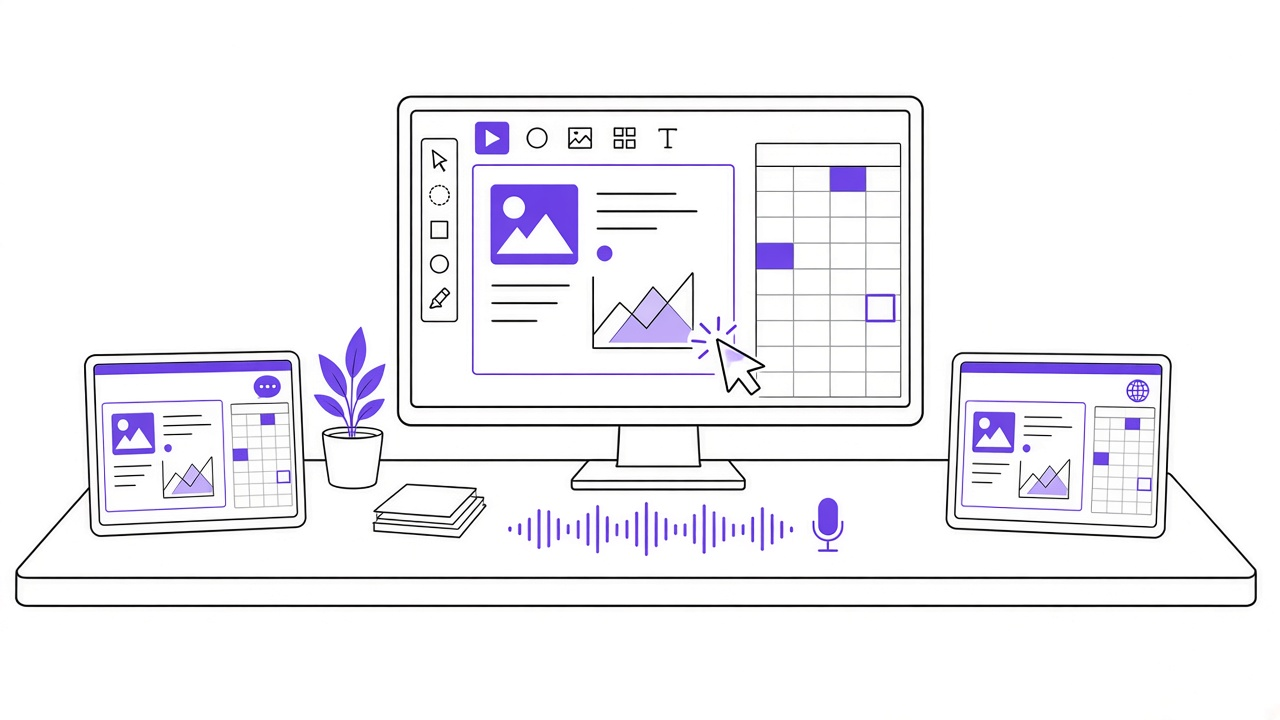
Software tutorials are particularly attractive because they can generate income from several sources.
Creators can make videos explaining how to use tools such as:
- Canva
- Microsoft Excel
- Adobe Photoshop
- Premiere Pro
- Blender
- Notion
- AI writing and image tools
- Business and productivity software
Many people search YouTube for software tutorials in their own language. A well-produced tutorial can continue attracting viewers long after its publication.
For example, an English tutorial about how to use an AI design tool could be localized into Spanish and Portuguese.
This gives the creator access to additional audiences without having to produce an entirely new tutorial.
How to make money:
- YouTube advertising revenue
- SaaS affiliate commissions
- Sponsored tutorials
- Paid courses
- Consulting services
Where AI video helps:
Use AI video translation to localize screen recordings, voiceovers, and tutorial explanations. Review software names, menu labels, and technical terminology to ensure that the translated instructions remain accurate.
Build a Multilingual Video Podcast
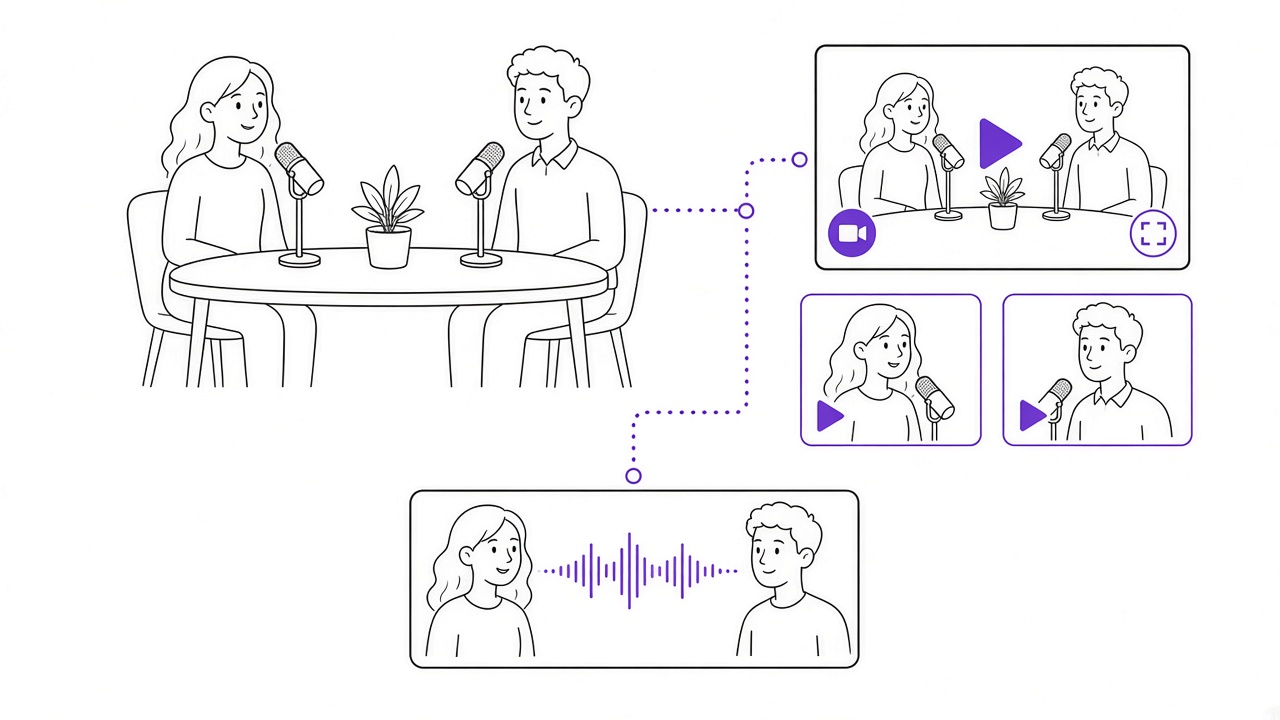
Video podcasts have become an important content format for creators, entrepreneurs, and businesses.
Popular podcast topics include:
- Business and entrepreneurship
- Technology and AI
- Personal development
- Finance and investing
- Interviews with industry experts
- Entertainment and culture
A podcast episode can be much more than a single video. It can become a collection of content assets, including full episodes, short clips, highlight videos, and translated versions.
For example, a business podcast recorded in English could be localized into Spanish and Portuguese to reach international listeners.
How to make money:
- Podcast sponsorships
- YouTube advertising revenue
- Paid memberships
- Premium episodes
- Affiliate marketing
Where AI video helps:
Translate podcast dialogue, generate multilingual subtitles, and dub full episodes or selected clips for different audiences.
This is particularly useful for podcasters who already have a large back catalog of episodes.
Translate Travel Videos for International Audiences

Travel content is naturally suited to international audiences.
A video about a destination, restaurant, local attraction, or cultural experience may interest viewers from many countries.
Creators can produce videos about:
- Travel guides
- Local food and restaurants
- Hotel reviews
- Budget travel tips
- Cultural experiences
- Hidden destinations
- City guides and itineraries
For example, a travel creator who makes videos about Japan in English could create Portuguese and Spanish versions to attract viewers planning trips to Japan.
How to make money:
- YouTube advertising revenue
- Hotel and tourism sponsorships
- Travel affiliate programs
- Paid travel guides
- Brand collaborations
Where AI video helps:
Translate travel narration and subtitles while adapting local place names, food descriptions, and cultural references for the target audience.
Monetize Cooking and Recipe Videos
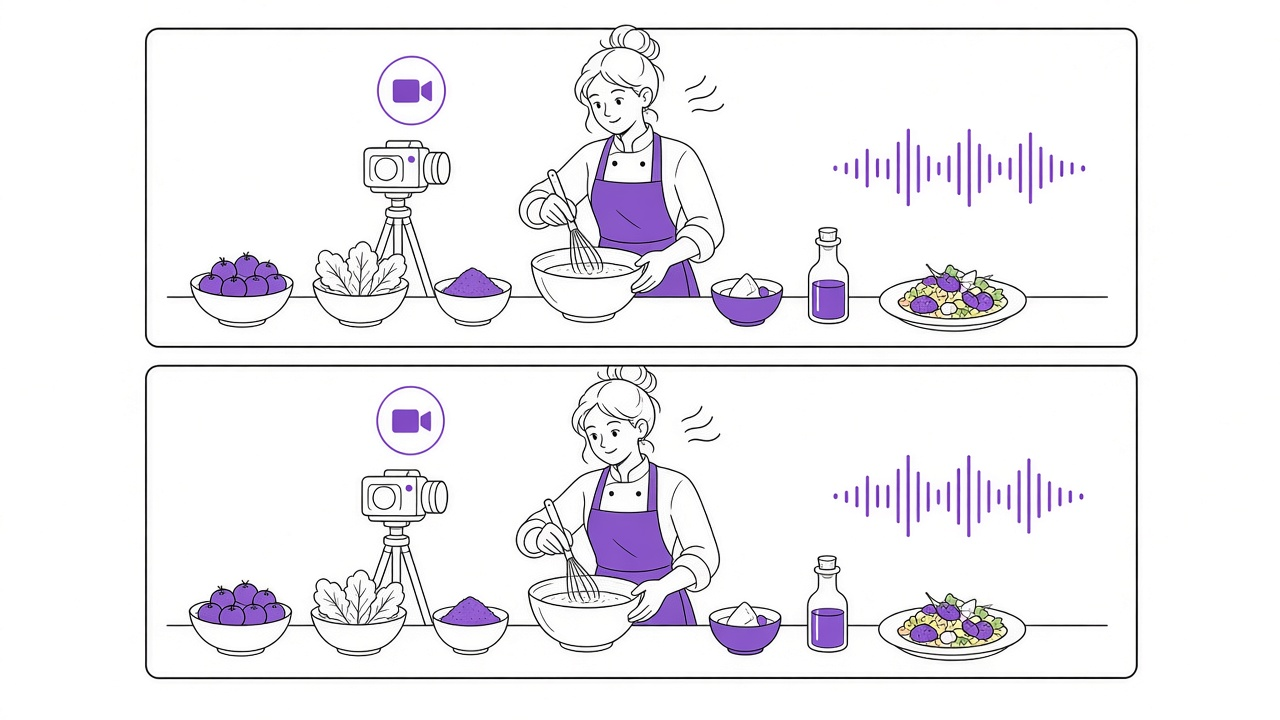
Food is one of the most accessible content categories for international audiences.
Recipe videos, cooking tutorials, baking demonstrations, and restaurant reviews can attract viewers regardless of where the creator lives.
A cooking creator can turn one original video into multiple language versions.
For example, a recipe video recorded in English could be translated into Spanish, Portuguese, French, and Hindi.
Creators can also adapt ingredient names, measurements, and cooking instructions for local audiences.
How to make money:
- YouTube advertising revenue
- Kitchen equipment affiliate links
- Sponsored recipe videos
- Digital cookbooks
- Online cooking classes
Where AI video helps:
Use AI dubbing and subtitles to make cooking instructions accessible to more viewers. Always review ingredient names and measurements to avoid translation mistakes.
Build a Fitness or Workout Channel
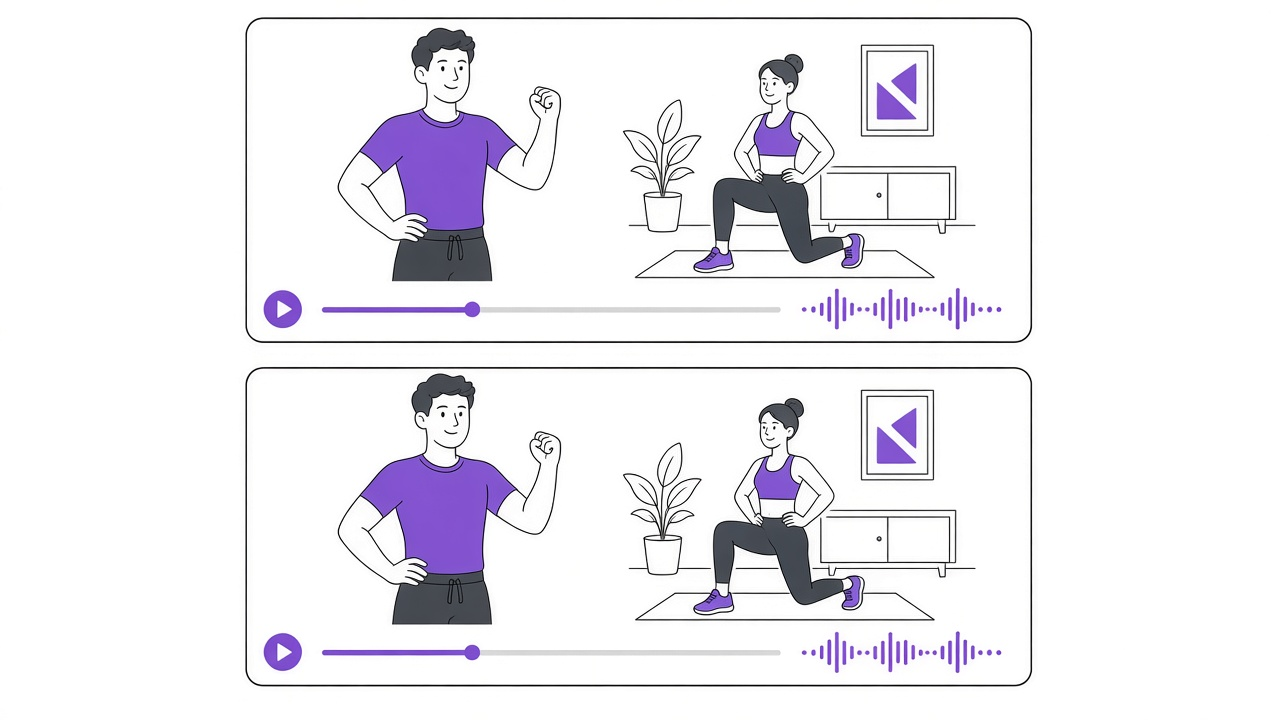
Fitness content has a strong potential for repeat viewing because audiences often return to follow workout routines and training programs.
Possible video formats include:
- Home workout tutorials
- Yoga and stretching
- Strength training
- Dance workouts
- Fitness challenges
- Beginner exercise guides
- Nutrition education
A trainer who publishes workouts in English can make the same content available to Spanish-speaking or Portuguese-speaking audiences.
How to make money:
- Paid workout programs
- Fitness memberships
- Brand sponsorships
- Affiliate commissions
- Online coaching
Where AI video helps:
Translate workout instructions, generate subtitles, and dub training videos into additional languages.
For fitness and health-related content, accuracy matters. Technical instructions and safety guidance should be reviewed before publishing.
Create Motivational and Storytelling Channels
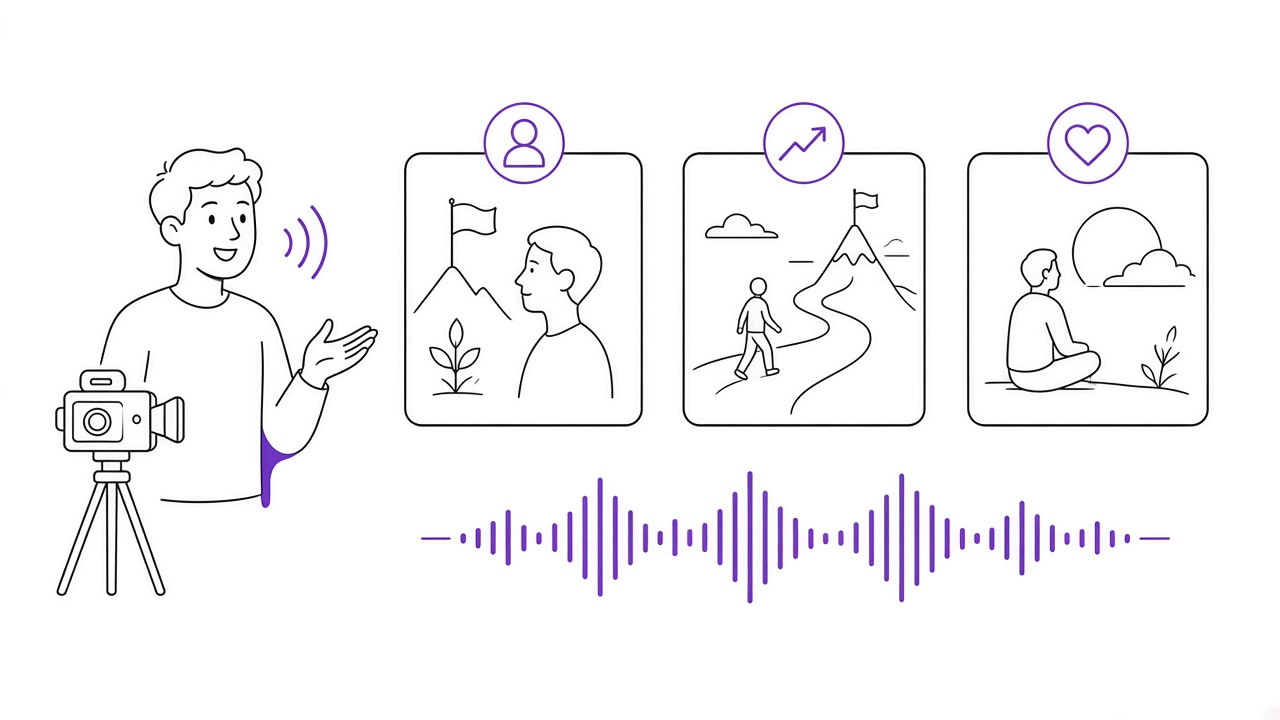
Motivational videos and storytelling channels can attract audiences who enjoy personal development, inspirational stories, and educational content.
Some popular topics include:
- Historical figures and biographies
- Business success stories
- Personal development
- Interesting life lessons
- Historical events
- Original fictional stories
- Educational storytelling
If you create original stories or have the rights to use existing material, you can develop localized versions for different markets.
For example, a video about an entrepreneur's success story could be narrated in English, Spanish, and Portuguese.
How to make money:
- YouTube advertising revenue
- Sponsorships
- Affiliate marketing
- Ebooks and digital products
- Paid communities
Where AI video helps:
AI dubbing and subtitle generation make it easier to adapt narration-heavy videos for international audiences.
The quality of the storytelling still matters. Translation alone cannot replace original research, thoughtful scripting, or engaging presentation.
Create Multilingual Product Videos for Ecommerce

Ecommerce sellers need video content to explain products, demonstrate features, and build trust with potential customers.
However, a product video made for one market may not work equally well in another.
For example, an ecommerce brand selling beauty products in the United States may want to expand into Brazil or Spain.
Instead of producing completely separate videos, the business can localize its existing product demonstrations and advertisements.
Common video formats include:
- Product demonstrations
- Unboxing videos
- Customer testimonials
- Product comparisons
- How-to guides
- Promotional videos
How to make money:
- Freelance video localization
- Monthly ecommerce content packages
- Video production services
- Marketing agency retainers
- Performance-based marketing agreements
Where AI video helps:
Use AI video translation, voice cloning, and subtitles to prepare product videos for different markets.
For businesses, this can reduce the production work involved in maintaining multilingual marketing campaigns.
Start a Multilingual Affiliate Marketing Channel
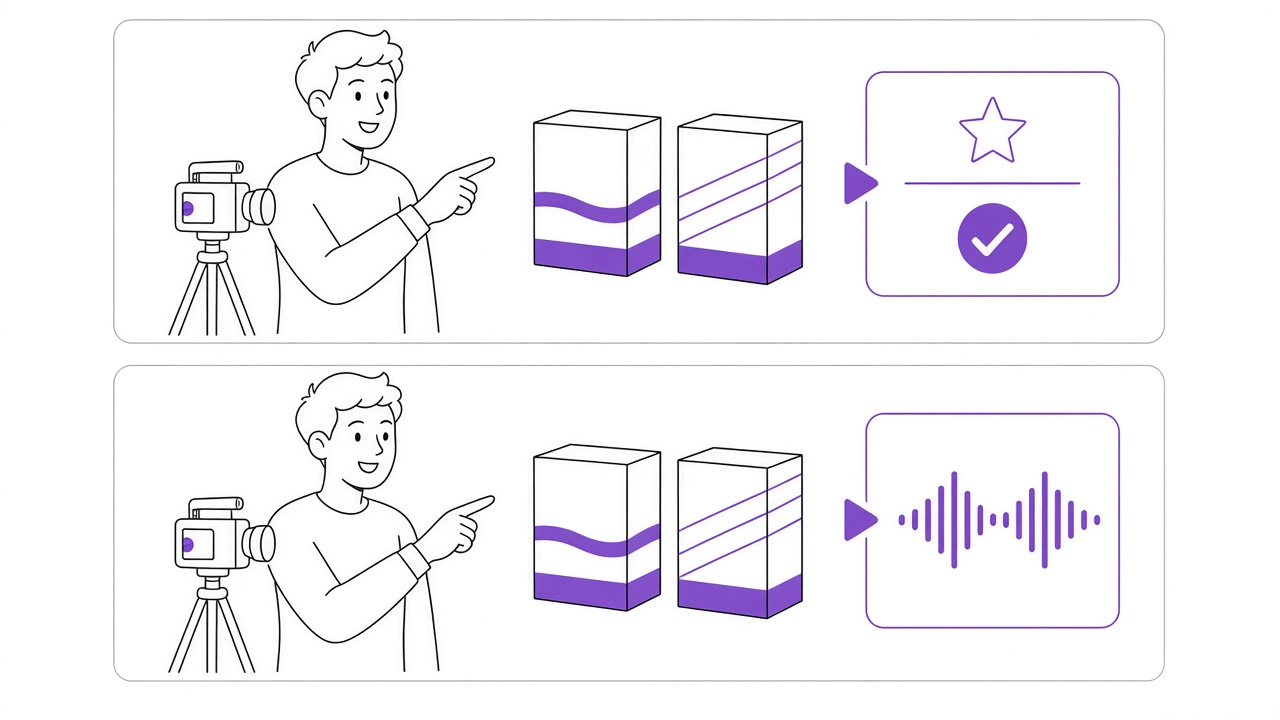
Affiliate marketing allows creators to earn commissions by recommending products and services.
You don't need to develop your own product. Instead, you create useful content that helps people discover, compare, or choose products.
Popular affiliate content formats include:
- Software reviews
- Product comparisons
- Tutorials
- Best tools lists
- Product demonstrations
- Buying guides
For example, a creator could produce an English tutorial about a SaaS product and localize it into Spanish and Portuguese.
Each version can include relevant affiliate links for the intended audience, depending on the availability of the affiliate program in that market.
How to make money:
You earn a commission when viewers make qualifying purchases or sign up through your affiliate links.
Potential affiliate categories include:
- SaaS and AI tools
- Website hosting
- Online learning platforms
- Consumer electronics
- Productivity software
- Ecommerce products
Where AI video helps:
Translate product reviews and tutorials to reach audiences in more countries. Make sure that product claims, pricing, and affiliate disclosures are accurate in every localized version.
Become a Video Localization Freelancer

You don't necessarily need to build a large social media following to make money with AI video.
Another option is to sell video localization services directly to businesses and creators.
Many companies need help translating videos for international audiences but don't have an in-house localization team.
You can offer services such as:
- Video translation
- AI dubbing
- Subtitle creation
- Voiceover localization
- Multilingual video editing
- Video quality review
For example, a YouTube creator may have 50 existing videos that need Spanish subtitles and Portuguese dubbing.
You can charge based on video length, language combinations, editing complexity, or project scope.
How to make money:
- Per-minute translation fees
- Per-video localization packages
- Monthly content support
- Project-based contracts
- Ongoing creator partnerships
Where AI video helps:
VMEG AI can support the translation and dubbing workflow, while you focus on project management, language quality, editing, and client communication.
For higher-value projects, offering human proofreading and native-language review can help differentiate your services.
Start a Multilingual Content Localization Agency
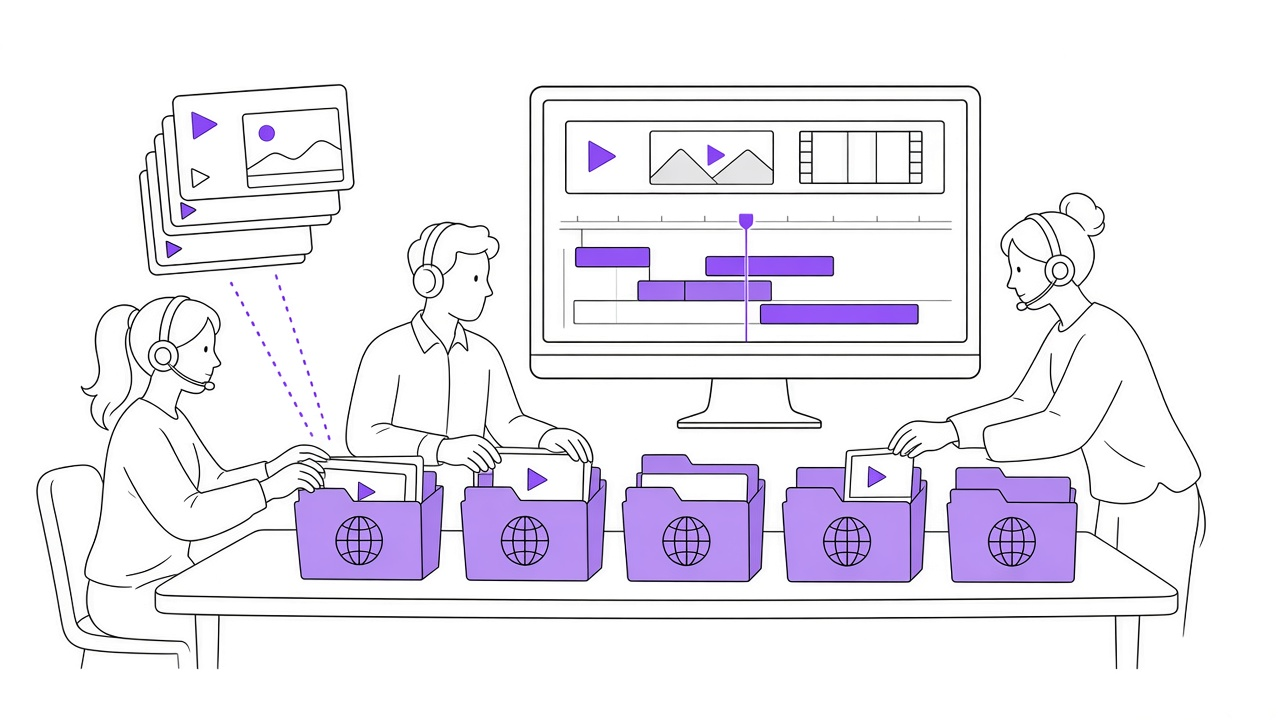
Once you have experience handling individual localization projects, you can expand into a small agency.
Instead of working with one creator at a time, you can provide multilingual video services to:
- YouTubers and influencers
- Marketing agencies
- Ecommerce brands
- Online education companies
- Media production studios
- Entertainment distributors
Your agency could manage the complete workflow, from receiving source videos to delivering localized versions.
For example, a marketing agency may need 30 product videos translated into five languages every month.
You can build a recurring service package that includes video translation, AI dubbing, subtitles, editing, and quality assurance.
How to make money:
- Monthly service retainers
- Per-project pricing
- Per-language localization packages
- Enterprise video localization contracts
- Long-term content partnerships
Where AI video helps:
AI video localization tools can help your team process more content while reducing repetitive production work. You can combine automated translation with human review to maintain quality across languages.
How to Choose the Right AI Video Business Model
Not every money-making idea requires the same skills, investment, or time commitment.
Some opportunities are better suited to beginners, while others are more suitable for experienced creators or service providers.
| Business model | Best for | Main income source |
|---|---|---|
| Multilingual viral channels | Content creators | Ads and sponsorships |
| Microdrama localization | Media companies and distributors | Licensing and distribution |
| Multilingual YouTube channels | Existing YouTubers | Ads and memberships |
| Online courses | Educators and experts | Course sales |
| Gaming channels | Gaming creators | Ads and sponsorships |
| Software tutorials | Tech creators | Affiliate commissions |
| Video podcasts | Podcasters | Sponsorships |
| Travel content | Travel creators | Ads and travel affiliates |
| Cooking videos | Food creators | Ads and product partnerships |
| Fitness channels | Trainers | Programs and memberships |
| Storytelling channels | Video storytellers | Ads and digital products |
| Ecommerce videos | Online sellers | Product sales and services |
| Affiliate channels | Review creators | Affiliate commissions |
| Localization freelancing | Freelancers | Service fees |
| Localization agencies | Entrepreneurs and teams | Recurring contracts |
If you are just getting started, choose one content category and one or two target languages. Test whether people in those markets are interested before investing in a larger content operation.
If you already have an established channel, consider localizing your best-performing videos first. This allows you to test international demand using content you have already created.
If you have experience in video editing or language services, selling localization services may offer a more direct path to generating revenue than building an audience from scratch.
How to Turn One Video into Multiple Language Versions with VMEG AI
Once you have chosen a content niche, the next challenge is producing videos for different language markets without creating every version manually.
VMEG AI is an AI Video Localization Agent that helps creators and businesses translate videos, generate dubbed audio, and create multilingual subtitles.
Here is a simple workflow you can follow.
Step 1. Choose a Video with International Potential
Start with a video that already performs well or covers a topic with clear demand in other markets.
For example, you might choose:
- A popular software tutorial
- A product demonstration
- An educational video
- An original entertainment video
- A licensed short drama episode
Look at your existing audience data, search demand, and competitor channels to decide which languages are worth testing.
Step 2. Upload Your Video to VMEG AI
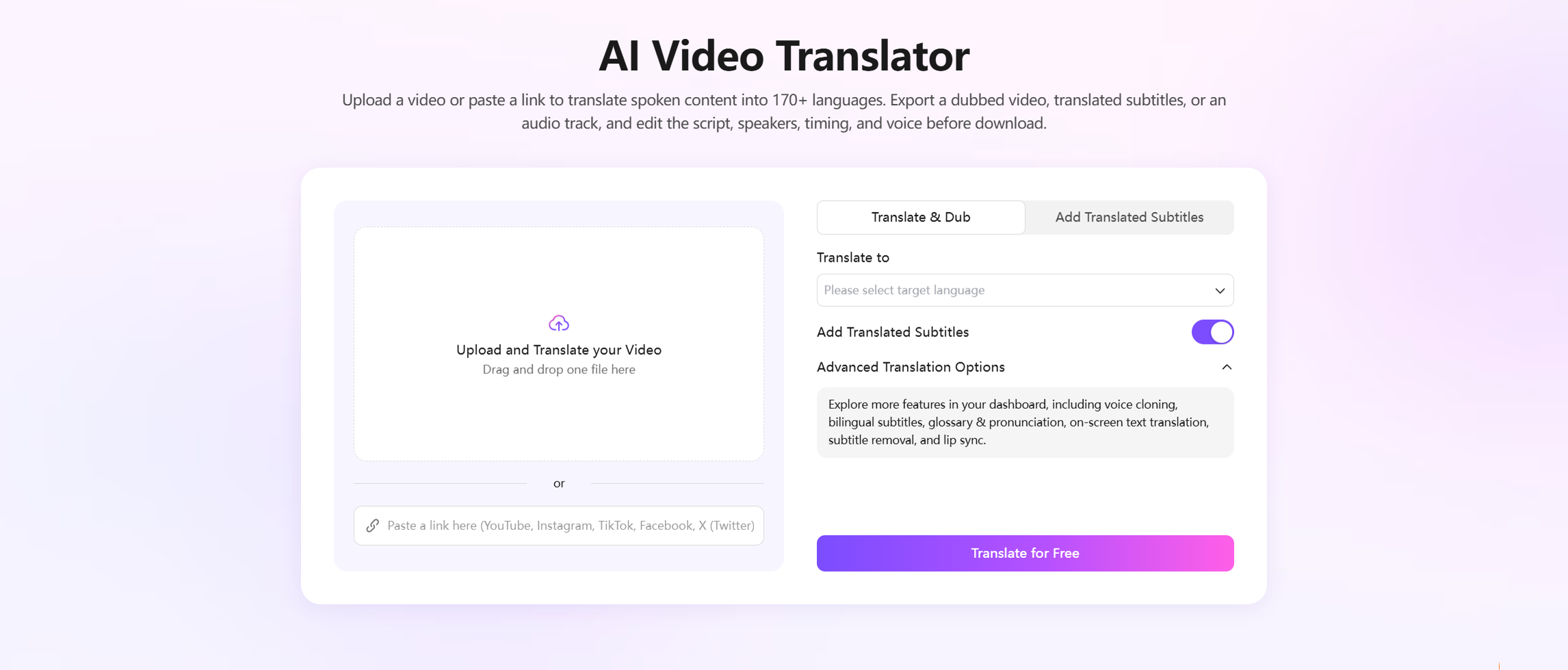
Visit VMEG AI's Video Translator and upload your source video.
You can also use a supported video import option where available.
The platform can process the original speech and prepare it for translation and dubbing.
Step 3. Select Your Target Languages
Choose the languages that match your audience strategy.
For example:
- English to Portuguese
- English to Spanish
- Chinese to English
- Korean to English
- English to Hindi
You don't have to translate into every available language immediately. Start with the markets that have the strongest potential for your content.
Step 4. Generate AI Dubbing and Subtitles
Use VMEG AI's AI Dubbing to generate localized voiceovers.
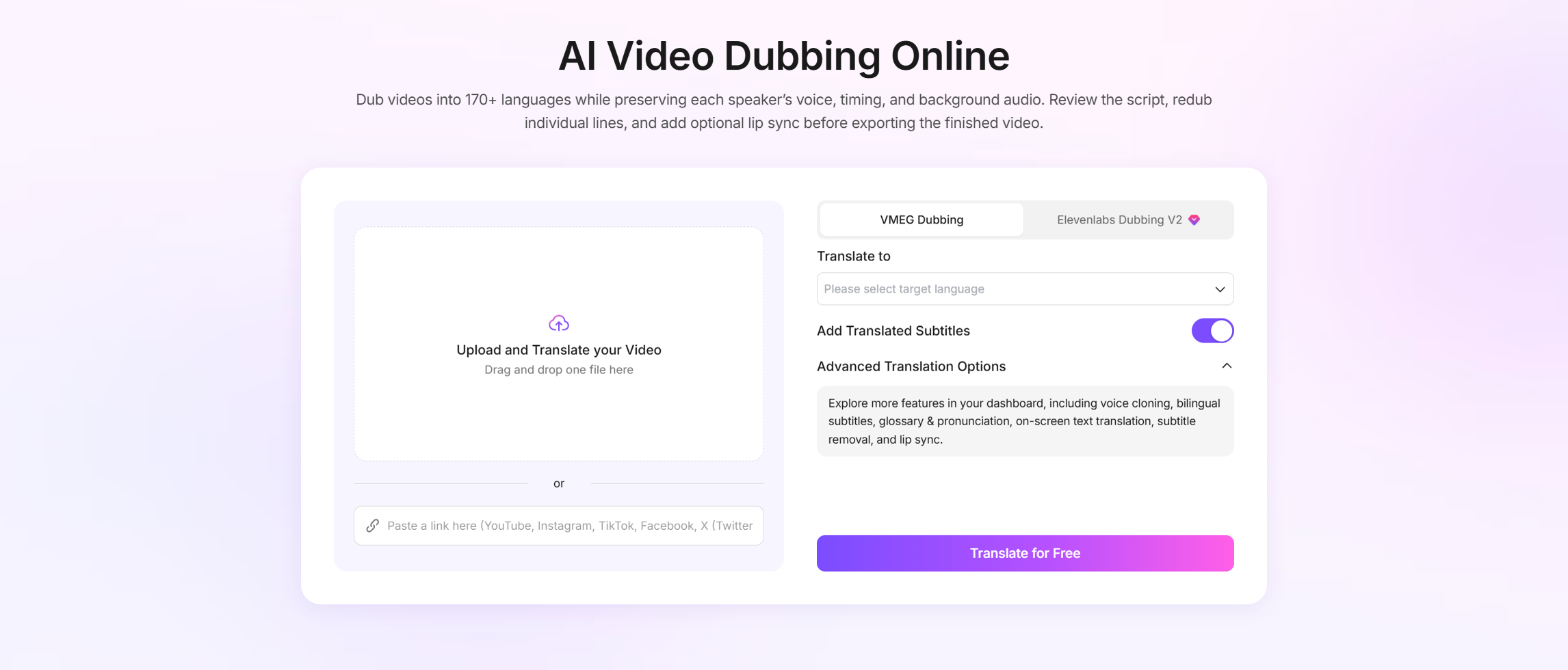
You can also create subtitles to make your videos easier to follow.
Depending on your project, you can use voice cloning to maintain a consistent creator voice across different language versions.
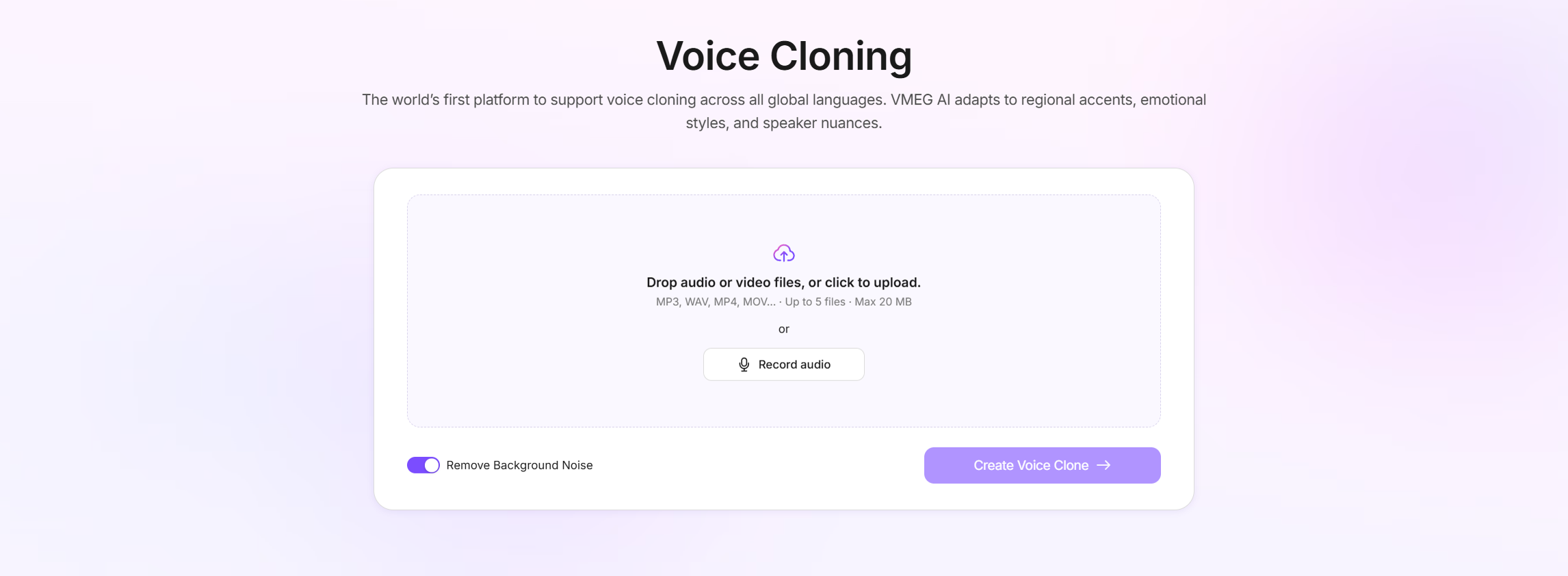
Review the translated script and audio before publishing, especially when the video contains humor, technical terminology, cultural references, or specialized information.
Step 5. Publish and Track Performance
Upload the localized videos or audio tracks to your chosen platforms, following their supported publishing formats.
Then monitor:
- Views by country
- Watch time
- Audience retention
- Engagement
- Subscriber growth
- Revenue by language or market
Use the results to decide which languages and content formats deserve more investment.
The goal is not simply to produce more versions of the same video. It is to identify which audiences respond to your content and build a sustainable content strategy around them.
Important: What You Should Know About Video Monetization Policies
Using AI tools does not automatically make a video eligible for monetization.
Before building a multilingual content business, understand the rules of the platforms where you plan to publish.
YouTube: Originality Matters
YouTube's monetization policies require content to provide original and authentic value.
Channels that rely on repetitive, mass-produced, or minimally modified content may not qualify for monetization.
Its reused content policy also applies when creators republish existing material without adding significant original commentary, meaningful changes, or educational or entertainment value.
Even having permission to use someone else's video does not automatically guarantee monetization eligibility.
If you create multilingual channels, make sure each version is part of a legitimate content strategy and that you have the necessary rights.
Read the YouTube Channel Monetization Policies.
TikTok: Creator Rewards Requires Original Content
TikTok's Creator Rewards Program focuses on original, high-quality videos that are longer than one minute.
The program also considers factors such as originality, play duration, search value, and audience engagement.
Eligibility and availability depend on the creator's account and location.
Simply translating and reposting someone else's short videos should not be treated as a reliable monetization strategy.
Read TikTok's Creator Rewards Program guidelines.
Copyright and Licensing
Always make sure you have the rights to use the original video, music, footage, and other materials.
This is especially important when working with:
- Movies and television clips
- Chinese and Korean microdramas
- Viral social media videos
- Music and performance footage
- Commercial advertisements
For licensed content, confirm that the agreement covers translation, dubbing, distribution, and monetization in your intended markets.
AI can make localization easier, but it does not replace copyright permission or platform compliance.
FAQs About Making Money with AI Video
Can you make money with AI-generated videos?
Yes. Creators can monetize original AI-assisted videos through eligible platform programs, sponsorships, affiliate marketing, digital products, and services.
However, using AI does not guarantee monetization. Platforms still expect content to meet their originality, quality, and other eligibility requirements.
How can beginners make money with AI video?
Beginners can start with a specific content niche, such as software tutorials, cooking, gaming, or educational videos.
You can create original videos, localize them into additional languages, and publish them on platforms such as YouTube.
Another option is to offer video translation and subtitle services to creators and small businesses.
Can you make money by translating YouTube videos into other languages?
Yes, multilingual videos can help creators reach audiences in additional markets and create new revenue opportunities.
You can earn through eligible YouTube monetization, sponsorships, memberships, and affiliate links.
You should either localize your own content or obtain the necessary rights to distribute and monetize third-party content.
Is AI dubbing worth it for YouTube creators?
AI dubbing can be useful for creators who already have an audience or a library of videos worth localizing.
YouTube reported that creators using multi-language audio tracks received more than 25% of their watch time from non-primary languages, based on its July 2025 data.
The results vary by channel, topic, and target market, but it demonstrates why multilingual audio is worth testing.
Which languages should I translate my videos into first?
There is no universal answer. It depends on your niche, existing audience, and the markets you want to reach.
Spanish and Portuguese can be interesting options for creators targeting audiences in Latin America. Hindi may be worth exploring for content with strong potential in India.
Check your audience analytics and keyword demand before choosing your target languages.
Can I make money by translating short dramas?
Potentially, yes. Microdrama distribution is a growing business, and international localization can help licensed content reach new viewers.
Possible revenue models include licensing agreements, revenue sharing, subscriptions, and platform monetization.
However, translating a drama does not give you the right to distribute it. You need appropriate content and distribution rights.
What is the best AI video translator for creators?
The right tool depends on your workflow, supported languages, voice quality, subtitle features, and editing requirements.
VMEG AI is designed for creators and businesses that need video translation, AI dubbing, voice cloning, and multilingual subtitles.
You can try the VMEG AI Video Translator to explore its localization workflow.
Start Turning Your Videos into Global Content
Making money with AI videos is not just about producing more videos. It is about finding content people want to watch, choosing the right monetization model, and reaching audiences who may not speak your original language.
You can build a multilingual YouTube channel, localize licensed microdramas, sell online courses, create software tutorials, or offer video localization services to businesses.
Start with one content category and one or two target languages. Test the results, learn from audience feedback, and expand when you find a market that works.
With the right content strategy and tools like VMEG AI, one video can become the starting point for reaching audiences around the world.