שלושה ממצאים שמגדירים את ההזדמנות
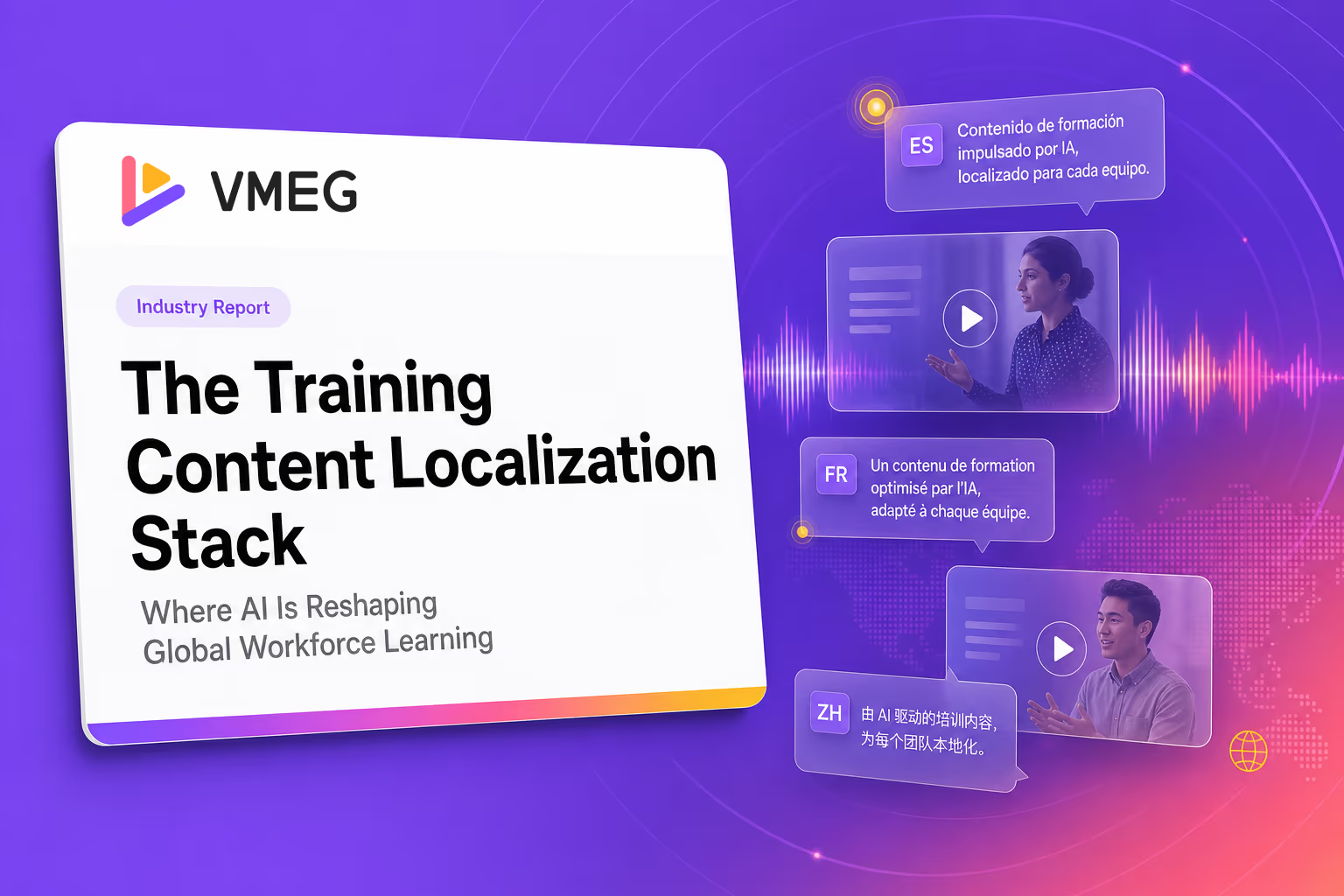
דוח זה מנתח את שרשרת ייצור והפצת תוכן ההדרכה העולמית, תוך התמקדות באופן שבו תוכן למידה מבוסס וידאו נוצר, מנוהל ומועבר לקהלים רב לשוניים. המחקר שלנו מעלה שלושה ממצאים עיקריים:
כיצד נוצר סרטון הדרכה: ערימת הפקה בת חמש שכבות
אימון הפקת וידאו אינו מונוליטי. בהתאם לסוג הארגון - צוות פיתוח ופיתוח ארגוני, חברת תוכנה, גוף הסמכה מקצועי או יוצר קורס עצמאי - הכלים, זרימות העבודה ופורמטי התוכן שונים באופן מהותי. אבל בכל הקטגוריות, הרשת עוקבת אחר מבנה עקבי של חמישה שלבים.
מי מייצר תכני הדרכה, ועם מה?
פרופיל הייצור משתנה באופן דרמטי לפי מגזר. הטבלה שלהלן ממפה את ששת הארכיטיפים העיקריים של יצרני תוכן הכשרה, שרשרת הכלים שלהם ולחץ הלוקליזציה של כל אחד מהם.
| סוג מפיק | כלים עיקריים | צורך לוקליזציה | נהג לחץ |
|---|---|---|---|
| L&D ארגוני (HR/תאימות) תאגידים רב לאומיים |
articulate, PowerPoint, Loom, Synthesia | קיצוני | ציות לחוק, מנדטים להטמעה אזורית |
| SaaS / הדרכת תוכנה הצלחת לקוחות, אקדמיות למוצרים |
Loom, ScreenFlow, Synthesia, HelpHero | גבוה מאוד | השקות מוצר גלובליות, עדכונים תכופים |
| מקצועי / הסמכה בטיחות, רפואה, תעופה, פיננסים |
מצלמות מקצועיות + LMS + כלים מומחים | גבוה מאוד | דרישות הרגולציה מחייבות את השפה המקומית |
| מחנכים/יוצרים עצמאיים יוצרי Udemy, Teachable, Kajabi |
Camtasia, ScreenFlow, Canva, OBS | בֵּינוֹנִי | הרחבת קהל, גיוון הכנסות |
| דתי / ללא מטרות רווח משרדים, חינוך משימתי |
ציוד וידאו בסיסי + YouTube + כלי הדרשה | בינוני-גבוה | הישג שליחות, קהילות תפוצות |
| אקדמי/אוניברסיטה MOOCs, הרצאות מוקלטות, תוכניות |
מערכות לכידת הרצאות, Zoom, Panopto | בֵּינוֹנִי | רישום סטודנטים בינלאומי, נגישות |
המערכת האקולוגית השלטת של כלי הכתיבה - בראשות Articulate 360 עם למעלה מ-120,000 אנשי מקצוע בתחום ה-L&D ברחבי העולם - תוכנן אך ורק סביב יצירת תוכן באנגלית. מתייחסים ללוקליזציה כאל מחשבה שלאחר מכן: ייצא את הקורס, שליחת קבצים למתרגמים, ייבא מחדש מחרוזות מתורגמות. דיבוב וידאו אינו מטופל כלל. זרימת עבודה זו נותרה ללא שינוי מבחינה מבנית במשך יותר מעשור.
לוקליזציה היא השלב היקר, האיטי והשבור ביותר בשרשרת תוכן ההדרכה
עבור ארגון טיפוסי עם 200 שעות של סרטוני הדרכה באנגלית, הנפרסים בשלושה שווקים חדשים, אתגר הלוקליזציה אינו נוגע בעיקר לאיכות התרגום - זה בערך זמן, עלות, כאוס גרסאות ותחזוקה שוטפת.
שמונה נקודות הכאב שלהלן נלקחות ממחקר של מתרגלים עם צוותי L&D בתאגידים רב לאומיים, ספקי הכשרה להסמכה וחברות SaaS עם חבילות מוצרים בינלאומיות.
בעיית לוקליזציית ההדרכה אינה בעיית תרגום. זה א בעיה בתשתית זרימת העבודה. פער הכלים אינו "AI צריך לתרגם טוב יותר" - זה שאף מוצר לא מתייחס למחזור חיי הלוקליזציה המלא (תרגום → דיבוב → סנכרון שקופיות → ניהול גרסאות → ייצוא ל- LMS) כזרימת עבודה משולבת אחת. זה הפער שדוח זה מזהה כהזדמנות המוצר בעלת הערך הגבוה ביותר במרחב.
נוף כלי לוקליזציית האימון: מקוטע, עם פער ברור בצורת AI
המפה התחרותית להלן מכסה את קטגוריות הכלים העיקריות הנוגעות לוקליזציה של אימונים, מיקומם והמגבלה העיקרית שלהם בטיפול בזרימת העבודה המלאה.
| חֶברָה | קָטֵגוֹרִיָה | מה שהם עושים טוב | פער לוקליזציה | קשר לVMEG |
|---|---|---|---|---|
| Articulate 360 | עריכת קורס | עיצוב קורס אינטראקטיבי סטנדרטי בתעשייה; 120K+ משתמשי L&D; קהילה חזקה | מודול לוקליזציה מכסה תרגום טקסט בלבד - ללא דיבוב AI, ללא החלפת קריינות וידאו | אינטגרציה / שותף |
| Synthesia | AI אווטאר / יצירת וידאו | צור סרטוני מגיש AI מתסריטים; הכנסה של 100 מיליון דולר+; אימוץ ארגוני | יוצר תוכן חדש, אינו ממקם ספריות וידאו קיימות; זרימת עבודה מוגבלת של תרגום | מַשׁלִים |
| Camtasia | הקלטת מסך / עריכה | דומיננטי בהפקת הדרכות תוכנה; מקרה שימוש חזק לאימון SaaS | אין תכונות לוקליזציה; הייצוא לצינור התרגום הוא ידני לחלוטין | הזדמנות לשילוב |
| Descript | AI עריכת וידאו | עריכה מבוססת סקריפט; תכונת אוברדאב לתיקון קול | ממוקד אנגלית; ללא זרימת עבודה של דיבוב רב שפות או אינטגרציה של LMS | חפיפה חלקית |
| SDL / Lionbridge / RWS | לוקליזציה מסורתית | איכות תרגום אנושית; חוזים ארגוניים; מהימן עבור תוכן משפטי/רפואי | איטי (שבועות), יקר ($200–$500 לשעה קריינות), ללא זרימת עבודה מקורית של AI | ניתן להזזה |
| Docebo / TalentLMS / Moodle | LMS פלטפורמות | אחסון קורס, מטלות, ניתוח, מעקב אחר השלמות | לוקליזציה היא מחוץ לתחום - הם מצפים שתוכן מתורגם מראש יועלה | שותף הפצה |
| HeyGen / ElevenLabs | AI דיבוב / קול | סינתזת קול AI באיכות גבוהה; חזק API; יכולת שיבוט קול | אין זרימת עבודה ספציפית לאימון; ללא ניהול גרסאות, ללא אינטגרציה של LMS, ללא סנכרון PPT/שקופית | חפיפה חלקית |
זרקור על Articulate Localization
בשנת 2025, Articulate - פלטפורמת הכתיבה הדומיננטית של קורסי ההכשרה - השיקה מוצר לוקליזציה ייעודי בתוך חבילת Articulate 360 שלה. זהו אות משמעותי: אפילו מובילת השוק מכירה בכך שלוקליזציה היא צורך מרכזי שאינו מסופק עבור המשתמשים שלו.
Articulate Localization מציע תרגום טקסט מיידי המופעל על ידי AI ל-80+ שפות, ניהול מילון מונחים מותאם אישית, זרימות עבודה של סקירה בתוך הקשר וניהול גרסאות מרובות שפות - הכל משולב בסביבת הכתיבה Articulate 360. על פי נתוני המקרה של Articulate עצמו, לקוחות מדווחים על צמצום ציר הזמן של לוקליזציה מקצה לקצה מ-7 שבועות ל-3 שבועות.[4]
Articulate Localization ידיות תוכן מבוסס טקסט בלבד. הוא מתרגם מחרוזות כתובות - טקסט על המסך, פריטי חידון, עותק שקופיות, כתוביות סגורות. זה לא מחליף, יוצר מחדש או AI-מדבב את הקריינות המדוברת בסרטוני אימון. לקורס שתורגם דרך Articulate Localization יהיה טקסט מתורגם על המסך, אך הקריינות האנגלית המקורית נשארת. בהקשרי למידה רבים - במיוחד כאשר ההבנה המדוברת היא מרכזית, או כאשר הדרישות הרגולטוריות מחייבות אודיו בשפת האם - זה לא מספיק. בעיית החלפת הקול נותרה בלתי פתורה לחלוטין על ידי מוביל השוק הנוכחי.
לאן בעצם הולכים סרטוני הדרכה? ניתוח ערוצי הפצה
ההבנה היכן נוחת תוכן ההדרכה - ובאיזה קנה מידה - חיונית לגודל הזדמנות הלוקליזציה. ארבעה ערוצי הפצה עיקריים מניעים את הדרישה לסרטוני הדרכה רב לשוניים:
| עָרוּץ | סוּלָם | טריגר לוקליזציה | פתרון נוכחי |
|---|---|---|---|
| תאגיד LMS Docebo, Moodle, SAP, Cornerstone |
הקטע הגדול ביותר; מיליארדי הוצאה שנתית | כניסה חדשה לשוק, ציות לרגולציה, השתלבות בכוח העבודה העולמי | תרגום ידני + אולפני דיבוב של צד שלישי |
| פלטפורמות קורסים לצרכן Udemy, Coursera, Teachable |
240K+ קורסים על Udemy בלבד; שוק של $10B+ | הרחבת קהל היוצרים לשווקים שאינם אנגלים | כתוביות שנוצרו אוטומטית (איכות נמוכה) או ללא לוקליזציה |
| SaaS אקדמיות למוצרים מרכזי עזרה, מסמכי וידאו, הדרכה בתוך האפליקציה |
כל חברת SaaS עולמית; אלפי שעות של וידאו | יציאה לשוק בינלאומי, תמיכה בהפחתת כרטיסים | תרגום לאנגלית בלבד או תרגום ידני סלקטיבי עבור השווקים המובילים |
| ערוצי יוצר/מאמן YouTube, Kajabi, קהילות פרטיות |
זנב ארוך אך בעל צמיחה גבוהה; חפיפה לכלכלת היוצרים של $5B+ | הרחבת אלגוריתם פלטפורמה, צמיחת קהילה | כתוביות אד-הוק; מדובב לעתים רחוקות |
הפער בצורת AI: מה שהשוק צריך אבל אין לו
מיפוי שרשרת הכלים הנוכחית מול נקודות הכאב שזוהו ב-Finding 02 חושף רווח לבן עקבי: אף מוצר אחד במערכת האקולוגית של ההדרכה לא מטפל במחזור החיים המלא של הלוקליזציה עבור תוכן מבוסס וידאו.
הפער אינו באיכות התרגום - תרגום מכונה הגיע לאיכות מתאימה לייצור עבור רוב שפות התוכן האימון. הפער הוא אינטגרציה של זרימת עבודה: מי מטפל בשילוב של דיבוב אודיו, סנכרון כתוביות, החלפת טקסט בתוך הווידאו, תרגום חפיסת שקופיות, ניהול גרסאות ומשלוח LMS כחוויית מוצר אחת וקוהרנטית?
מפת השימוש בין התעשייה
מפת החום שלהלן ממחישה את צפיפות הביקוש לוקליזציה של וידאו לאימון לפי אנכית בתעשייה ושפת יעד - מנמוך (בהיר) לגבוה (כהה). זוהי סינתזה כיוונית המבוססת על גודל התעשייה, דפוסי גלובליזציה ודרישות לוקליזציה רגולטוריות.
| תעשייה / שפה → | סְפָרַדִית | מַנדָרִין | גֶרמָנִיָת | צָרְפָתִית | יַפָּנִית | עֲרָבִית | פורטוגזית | קוריאנית | הינדי | אִיטַלְקִית |
|---|---|---|---|---|---|---|---|---|---|---|
| תאימות ארגונית / HR | גבוה מאוד | גָבוֹהַ | גָבוֹהַ | מד-גבוה | מד-גבוה | מד-גבוה | מד-גבוה | בֵּינוֹנִי | בֵּינוֹנִי | בֵּינוֹנִי |
| SaaS / הדרכת תוכנה | גָבוֹהַ | גָבוֹהַ | גָבוֹהַ | מד-גבוה | גָבוֹהַ | בֵּינוֹנִי | מד-גבוה | מד-גבוה | בֵּינוֹנִי | מד-גבוה |
| בטיחות / תעודה מקצועית. | גבוה מאוד | מד-גבוה | מד-גבוה | מד-גבוה | בֵּינוֹנִי | גָבוֹהַ | גָבוֹהַ | בֵּינוֹנִי | מד-גבוה | בֵּינוֹנִי |
| רפואי / בריאות | גָבוֹהַ | מד-גבוה | מד-גבוה | מד-גבוה | מד-גבוה | מד-גבוה | מד-גבוה | בֵּינוֹנִי | בֵּינוֹנִי | בֵּינוֹנִי |
| חינוך מקוון / קורסים | גבוה מאוד | מד-גבוה | מד-גבוה | מד-גבוה | בֵּינוֹנִי | מד-גבוה | גָבוֹהַ | בֵּינוֹנִי | מד-גבוה | בֵּינוֹנִי |
| פיננסי / ציות | מד-גבוה | גָבוֹהַ | מד-גבוה | מד-גבוה | גָבוֹהַ | מד-גבוה | בֵּינוֹנִי | בֵּינוֹנִי | בֵּינוֹנִי | בֵּינוֹנִי |
| דתי/מבוסס על אמונה | גָבוֹהַ | נָמוּך | נָמוּך | מד-גבוה | נָמוּך | גָבוֹהַ | גָבוֹהַ | נָמוּך | בֵּינוֹנִי | נָמוּך |
| אימון / פיתוח אישי | גָבוֹהַ | בֵּינוֹנִי | בֵּינוֹנִי | מד-גבוה | נָמוּך | בֵּינוֹנִי | מד-גבוה | נָמוּך | בֵּינוֹנִי | בֵּינוֹנִי |
מיקומו של VMEG.AI בשרשרת התוכן לאימון
בהתבסס על הניתוח בדוח זה, VMEG.AI תופס את שכבת לוקליזציה - שכבה 3 בערימת הפקת תוכן הדרכה בת חמישה חלקים, המוצגת ב-Finding 01. זה לא תפקיד משנה מינורי; זה ה שכבת צוואר בקבוק מזוהה ב-Finding 02, והשכבה עם כלי ה-AI-native הכי פחות בוגרים (Finding 03).
לתוכן הדרכה".
מה הופך את שכבת הלוקליזציה לבעלת ערך אסטרטגי?
הוא יושב בצומת של כל זרימות התוכן. כל פיסת תוכן הדרכה עוברת בשכבה זו לפני שהיא מגיעה ללומד בשפה שאינה מקורית. זה יוצר נקודות אינטגרציה טבעיות במעלה הזרם (כלי כתיבה, מקליט מסך) ומורד הזרם (פלטפורמות LMS, ערוצי הפצה).
זה מורכב עם נפח תוכן. הערך של פלטפורמת לוקליזציה משתלב עם ספריית התוכן של הלקוח - ככל שיש לארגון יותר תוכן הכשרה, כך לוקליזציה ידנית הופכת להיות כואבת יותר, ושכבת זרימת עבודה אוטומטית בעלת ערך רב יותר. זה יוצר דינמיקה טבעית של הכנסות בהרחבה.
זה יוצר נעילת זרימת עבודה באמצעות מילוני מונחים והיסטוריית גרסאות. ברגע שארגון מעלה את המינוח של המוצר, הנחיות הקול של המותג והתרגומים ההיסטוריים, מעבר לפלטפורמת לוקליזציה אחרת כרוך בעלויות אמיתיות - לא במונחי חוזה, אלא בידע המוסדי המוטמע בכלי העבודה. זהו חפיר עמיד שחלופות מבוססות API בלבד אינן יכולות לשכפל.
מה VMEG עושה שArticulate Localization לא עושה
| יְכוֹלֶת | Articulate Localization | VMEG.AI |
|---|---|---|
| תרגום טקסט/כתוביות | כן - 80+ שפות | כֵּן |
| AI דיבוב (החלפת קריינות קולית) | לא כלול | יכולת ליבה |
| שיבוט קול (שימור טון המורה) | לא כלול | נתמך |
| PPT / תרגום סיפון שקופיות | חלקי (מחרוזות טקסט של קורס בלבד) | תרגום עצמאי מלא PPT |
| זיהוי ותרגום טקסט בווידאו | לא נתמך | נתמך |
| עובד עם קבצי וידאו שאינם מפורקים | פורמט ניסוח בלבד | כל פורמט וידאו |
| AI אווטאר / פרזנטור דיגיטלי | לא כלול | נתמך |
| LMS-מסירה אגנוסטית | תלות הדוק במערכת האקולוגית | עובד עם כל LMS |
| מודל תמחור | תוסף מנוי ארגוני | שכבות גמישות מבוססות שימוש |
מה זה אומר עבור צוותי L&D, הכשרת יצרני תוכן ובוני פלטפורמות
עבור צוותי L&D ו- HR ארגוניים
צוואר הבקבוק של הלוקליזציה הוא בעיית תקציב ומהירות - והיא ניתנת לפתרון כעת. AI תהליכי עבודה של דיבוב ותרגום יכולים להפחית את העלות של תרגום מודול הדרכה של שעה אחת מ-$300-$500 מתחת ל-$30, תוך דחיסת לוחות זמנים משבועות לשעות. הארגונים שיעברו ראשונים להקים זרימות עבודה מקומיות של AI, יוכלו לפרוס תוכניות הכשרה גלובליות בקצב שהיה בלתי אפשרי בעבר.
קריטריוני ההערכה העיקריים לכל כלי לוקליזציה: (1) האם הוא מטפל בהחלפת אודיו, לא רק בכתוביות? (2) האם הוא יכול לנהל מילוני מונחים והיסטוריית גרסאות בקנה מידה? (3) האם הוא משתלב עם ה-LMS הקיים שלך?
לחברות SaaS עם ספריות הדרכה למוצרים
כל עדכון מוצר שמשנה טקסט או זרימות עבודה של ממשק המשתמש יוצר חוב לוקליזציה - כל הדרכה מוקלטת הופכת למיושנת בכל שפה בו זמנית. תשתית הלוקליזציה היקרה ביותר עבור צוותי אימון SaaS היא זו שממזערת את העלות של לְשַׁנוֹת, לא רק עלות התרגום הראשוני. API-כלי לוקליזציה ראשונים שניתן להפעיל בעדכון תוכן הם המיושרים ביותר מבחינה אסטרטגית עם מחזורי הפיתוח של SaaS.
להכשרת יצרני תוכן ויוצרי קורסים
ספרדית היא שפת היעד היחידה עם הביקוש הגבוה ביותר כמעט בכל אנכי אימונים (ראה טבלה 4). עבור יוצרי קורסים דוברי אנגלית ב-Udemy או Teachable, גרסה בשפה הספרדית של קורס קיים היא הדרך הנגישה ביותר להכפלה או לשלשה של הקהל הניתן להתייחסות - והלוקליזציה של AI הפכה את זה לכדאי כלכלית עבור יוצרים בודדים בפעם הראשונה.
עבור LMS ופלטפורמות כלי כתיבה
שכבת לוקליזציית האימון היא הזדמנות להרחבת הכנסה שממנה אסור לשחקני פלטפורמה להתעלם. Articulate זיהה זאת עם השקת מודול הלוקליזציה שלה. פלטפורמות LMS הבונות או משלבות דיבוב של AI ישירות לתוך זרימות העבודה של ההעלאה וההפצה שלהן יתבדלו בצורה משמעותית בשוק מתכלה.
מתודולוגיה והיקף
דוח זה הוא סינתזה איכותית המבוססת על מחקר שולחני, סקירת ספרות מתרגלים וניתוח שוק. נתוני גודל השוק לקוחים מדוחות אנליסטים שצוטטו בפומבי (Global Market Insights, MarketsandMarkets, HolonIQ). הערכות יכולות הכלים מבוססות על תיעוד תכונות שפורסם מאמצע 2026. מפת החום בטבלה 4 היא כיוונית ומסונתזת מדפוסי גלובליזציה בתעשייה - היא לא מבוססת על נתוני עסקאות אמפיריות. ניתוח תחרותי משקף מידע זמין לציבור על המוצר; מפות דרכים פרטיות של מוצרים אינן נחשבות. דוח זה מסופק למטרות מידע ומשקף את נקודת המבט של VMEG.AI על שוק לוקליזציית תוכן ההדרכה.


